
Flooding can occur due to rainwater accumulation in an already saturated area, storm surges, or rapid melting of snow. Flooding is a common phenomenon in lowlands and floodplains, especially during rainy seasons, but it can occur anywhere. A snowmelt flood is a type of flood in which melted snow is the primary source of water.
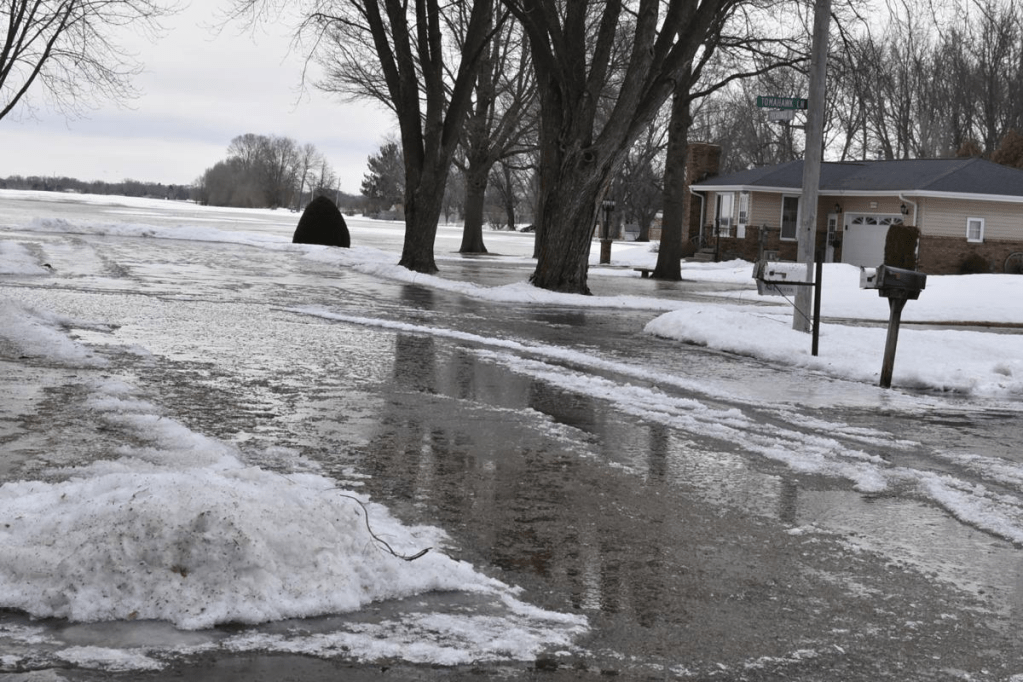
Types of flooding.
- Flash floods. This is usually associated with unexpected and heavy rain. It usually lasts less than 6 hours. It happens mainly because the amount of rainfall is greater than what the ground can handle in a given amount of time. Flash floods can also occur as a result of rapidly melting snow or a hurricane. This type of flood is a disaster flood because it involves a large volume of water moving at high velocity, easily sweeping anything in its path.
- River floods. This primarily impacts lowlands and floodplains. When it rains for an extended period of time, the amount of water in the river rises to the point where it overflows its banks. Planting trees along the river’s path and channelizing the river could reduce the likelihood of a river flood.
- Coastal floods. This is caused by a sudden increase in sea levels, such as during a storm surge. The seawater occupies normally dry ground around it.
- Groundwater flood. It is an elevation of the existing water table above the rock or soil beneath, causing water to flow to the ground surface. This is caused by constant rainfall. It may occur days to months after the rainfall has occurred.
- Drain and sewer flood. A blockage in the drainage system is the most common cause of a drain and sewer flood. It could also happen in the case of a combined sewer if there is heavy rain for an extended period of time.
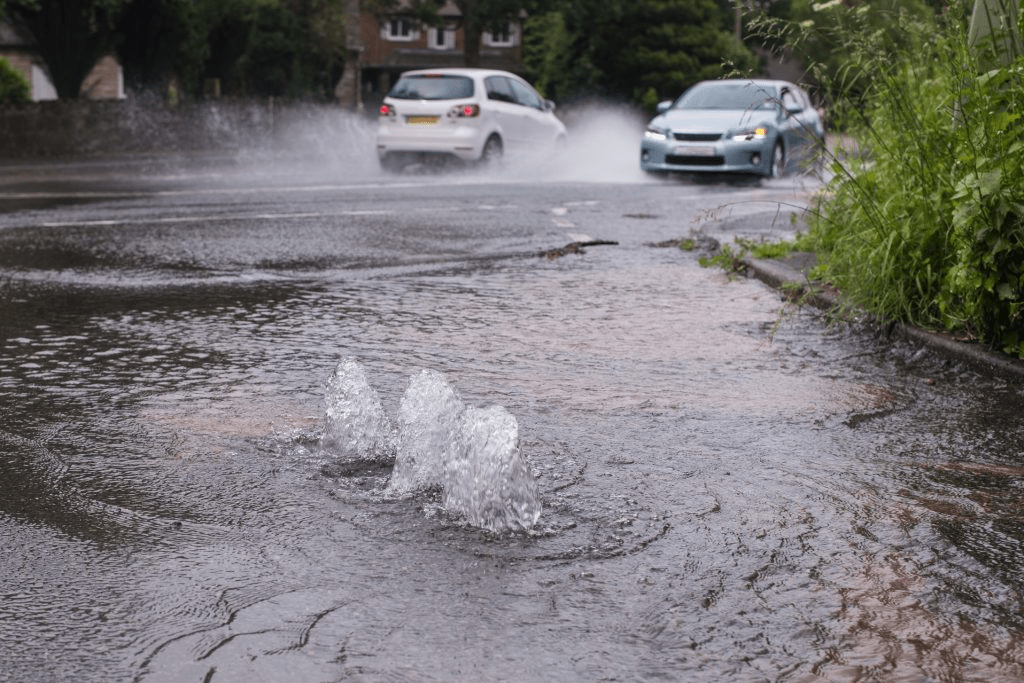
Tips to reduce the probability of flooding
Flooding can occur on any type of land. Although some areas are more prone to flooding than others, a combination of the following measures could reduce the risk or severity of flooding in an area.
- Having a functional drainage system or a clearly defined water path.
- Planting trees or other vegetation.
- Collecting rainwater from the roof and transferring it to the nearest drainage.
- When building a house, make sure the ground around it slopes away from it.
- Plants should be kept at least 1.5 meters away. Trees should be kept at least 5 meters away.
- Put a halt to indiscriminate waste disposal. Improperly disposed of waste always finds its way into drains and clogs them.
- As soon as possible, clear any clogged drains and repair any busted pipes in or around the house.
- In areas where groundwater flooding occurs, use a waterproof membrane before beginning any work to prevent water from rising continuously.
- Use a water repellent to coat the lower portion of the external walls to prevent water seepage.
- Keep outer drains at least 3m away from buildings.

 Jay water advisory
Leave a comment