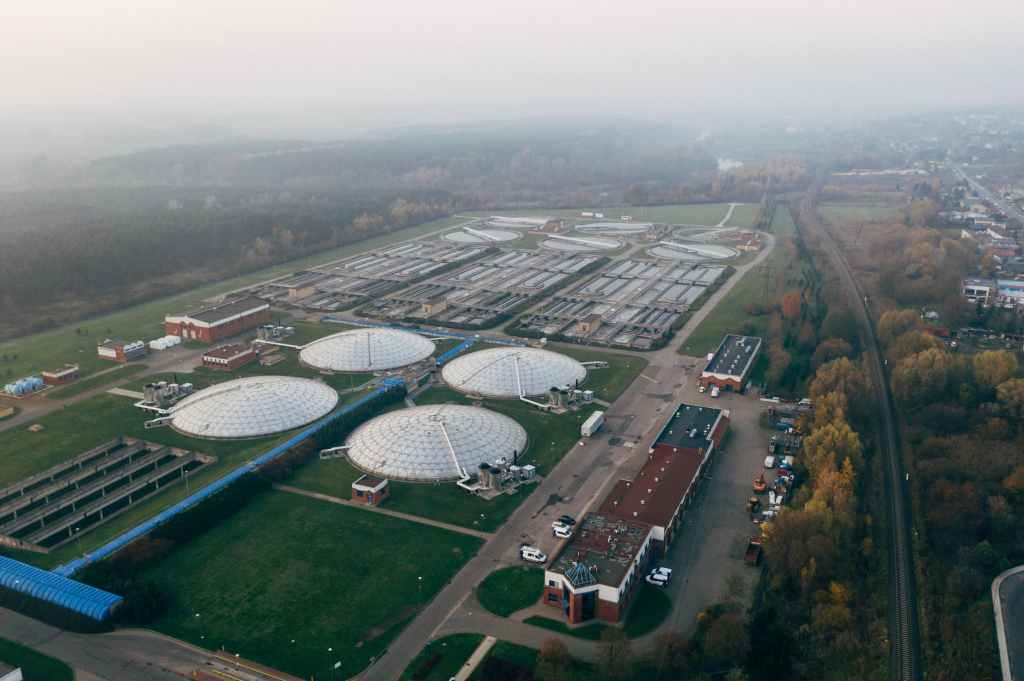

Any type of water that has been used by man or animal is considered wastewater. It is a byproduct of any activity that involves water. Effluent is another term for wastewater.
There are various types of wastewater. Wastewater is typically classified according to its source. Domestic wastewater and industrial wastewater are the two major types of wastewater. Domestic wastewater is gathered from residential apartments, whereas industrial wastewater is gathered from the business environment.
Industrial wastewater is treated according to the source of the wastewater. Wastewater generated by a pharmaceutical company differs from wastewater generated by a textile store and necessitates different treatment methods based on its chemical and biological composition.
Domestic wastewater is divided into two categories: black wastewater and grey wastewater. Black wastewater is wastewater primarily collected from toilets. Grey wastewater is wastewater collected from areas other than the toilet in the home. Grey wastewater and black wastewater have different compositions as a result of their varying source, but in wastewater treatment plants, they are mostly treated together as a single entity called domestic effluent.
Treating wastewater partially or completely before releasing it into the environment reduces the potential environmental damage caused by contaminants and pollutants present in untreated wastewater.
Although the river has a self-cleansing mechanism when the number of contaminants and pollutants exceeds a certain threshold, the river becomes extremely toxic, and the river’s self-cleansing mechanism is less effective.
Wastewater can be treated for varying purposes. They include:
- Toxin levels in the raw water supply are being reduced. When wastewater is treated before being discharged into rivers, it reduces the amount of treatment that water will be subjected to if it is used as a raw water source for water treatment plants.
- Preservation of life on land and at sea. If wastewater is not treated before being discharged into rivers, it contaminates the water, increasing the amount of waste in the environment and causing significant harm to life.
- Wastewater can be treated so that it can be reused. Currently, treated wastewater (either fully or partially treated) can be used to cool plant machinery and equipment. It can also be used for outdoor activities such as irrigation in farming and soil wetting during road construction. Partially treated wastewater contains plant-friendly nutrients.
- Energy generation. Sludge from the primary and secondary treatment stages can be used to generate electricity.
- Development of an alternative water source. Treated wastewater, to whatever extent it is treated, provides an alternative to exciting water resources because it can be used for some outdoor activities. Various laboratories are currently conducting research to determine the most efficient way to treat wastewater for portable uses.
Conclusion
Any type of water that has been used by man or animal is considered wastewater. It is a byproduct of any activity that involves water. Wastewater is typically classified according to its source, which can be either domestic or industrial.
Although the river has a self-cleaning mechanism, it poses a threat to life when the amount of pollutants or contaminants in the river exceeds a certain amount per time.
Wastewater treatment has several advantages. Aside from reducing the harm caused by waste exposure, it also provides an alternative source of water, which is important during times of water scarcity.
 Jay water advisory
Leave a comment