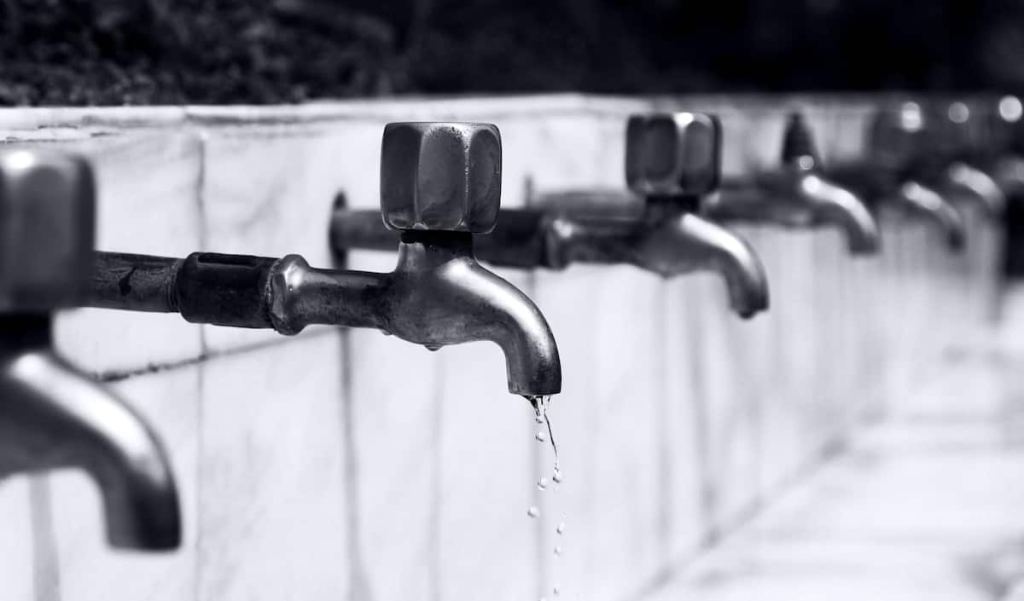

Water supply is the provision of water to an end-user by a body (public or private system) or an individual via a system of pumps and pipes. Water supply simply refers to the provision of water to meet a specific demand.
Water is supplied from a source via an intake medium, transported to a treatment plant via an abstraction medium, and delivered to end users via a pipe network.
Sources of water
Major sources of water include
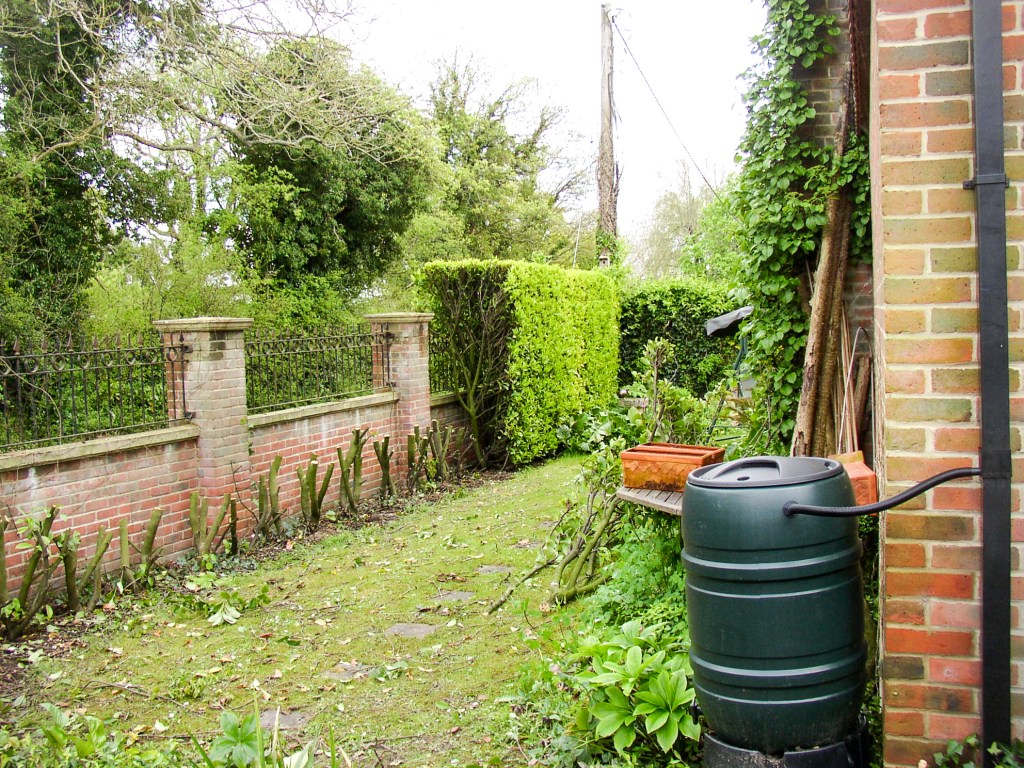
- Rainwater – Rainwater harvesting is an excellent source of water. Due to its reaction with gases in the atmosphere, it may be acidic in nature. Roof gutters are commonly used to collect rainwater. The medium used to collect rainwater has an effect on its quality.
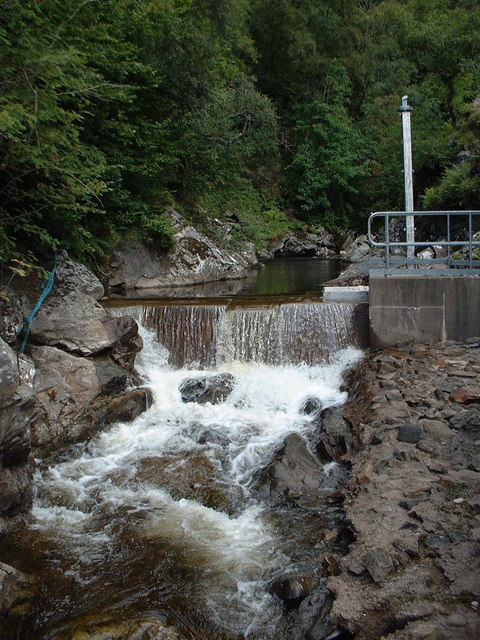
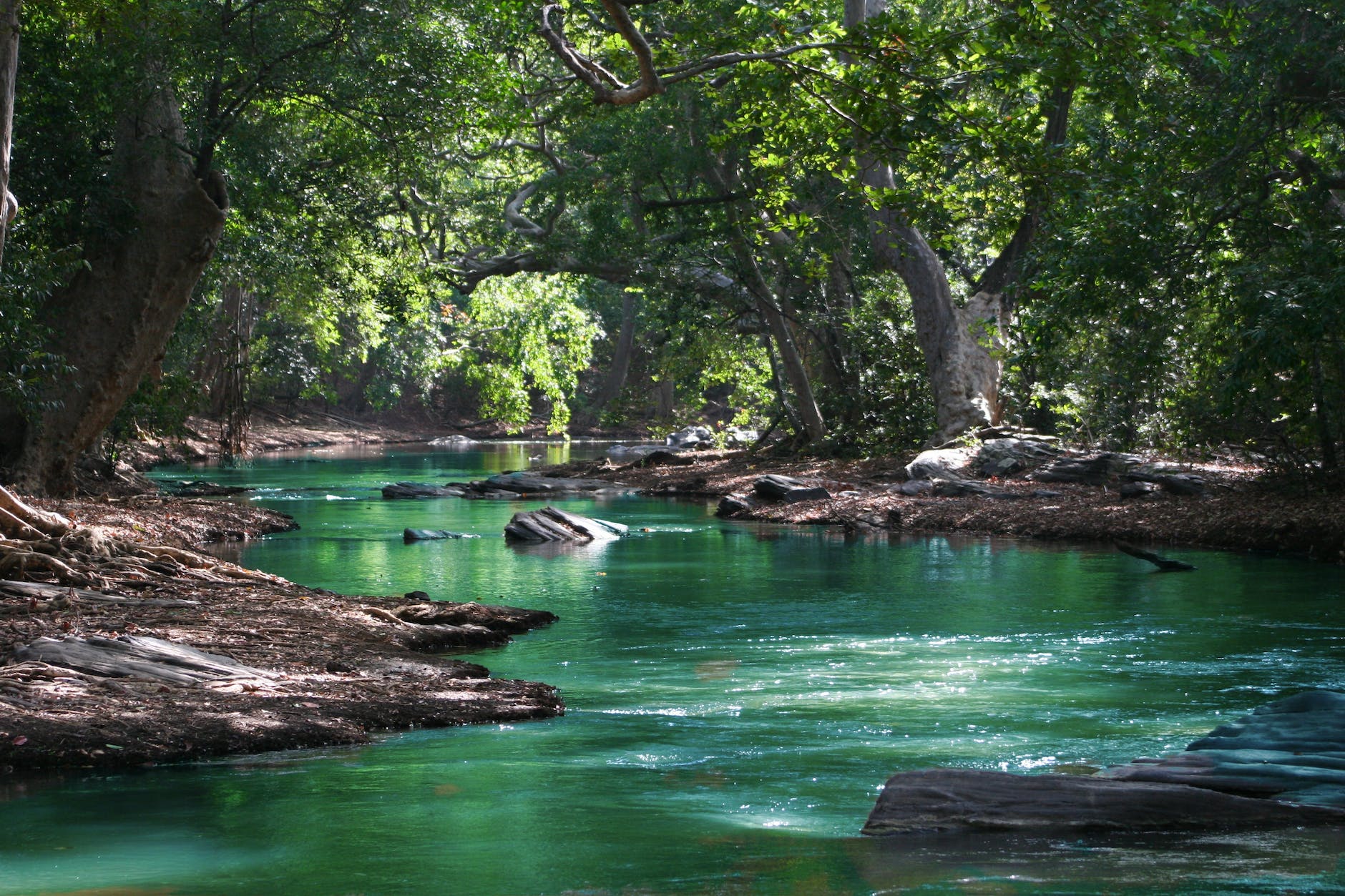
- Surface water – Surface water is defined as any water that is found on the earth’s surface. Surface water is commonly found in seas, oceans, and springs. Because surface water is prone to pollution due to its location on the earth’s surface, it necessitates stringent treatment procedures.
- Groundwater – Groundwater is any water obtained beneath the earth’s surface. Groundwater may be considered pure water in and of itself, but it can be easily contaminated by minerals or pollutants in the surrounding soil.
- Reclaimed water – Reclaimed water is wastewater that has been treated. Wastewater treatment is performed based on the intended use of the reclaimed water. The technique used to treat wastewater determines the quality of reclaimed water.
Types of intake
The different types include
- Well
- Borehole
- Roof gutters
- Spring
- River intake
Water is scarce in nature and thus cannot be abundantly generated. The demand for water rises in tandem with the increase in population. To meet the increased demand for water, more water sources must be sought. Aside from looking for new water sources, reducing water demand and doing the following can help to ensure a steady supply of water.
- Turn off the tap when not in use like while brushing or gathering food ingredients to be cleaned.
- Use a bowl or basin to clean your fruits or ingredients instead of running water.
- Fill your kettle with the amount of water needed alone.
- Reducing your shower time.
- Fixing a leaking tap as soon as it is noticed.
- Replacing a burst pipe as soon as possible.
- Recycling wastewater for non-portable purposes.
- Rather than running the sink while shaving, use a container or half-filled sink.
- Use a washing machine only when it is filled.
- Re-use water as much as possible.
Conclusion
The provision of water to meet a need is known as water supply. A body (public or private) or an individual supplies water to an end-user via a network of pipes.
Water is supplied from a source via an intake medium, transported to a treatment plant via an abstraction medium, and delivered to end users via a pipe network.
The primary water sources are rainwater, surface water, groundwater, and reclaimed water. Water is collected from the source (for example, rainwater) using various intake mediums (for example, rain gutters) and transported to a treatment plant via an abstraction medium (the collection bowl or tank).
Using multiple water sources allows for a continuous water supply. The rise in population is the primary cause of the rise in water demand. Using water-saving techniques and having more than one source of water ensures a steady supply of water.
 Jay water advisory
Leave a comment