A leaky tap, an ill-fitting pipe connection, a broken faucet – compared to industries and agricultural farms, the water loss is approximately negligible – so, does it really matter on the large scale of things? About 126 billion cubic metres of water is lost due to these “negligible” losses yearly worldwide. That’s enough water for Nigeria to use in 1,500 years. Now, that’s a lot of loss.
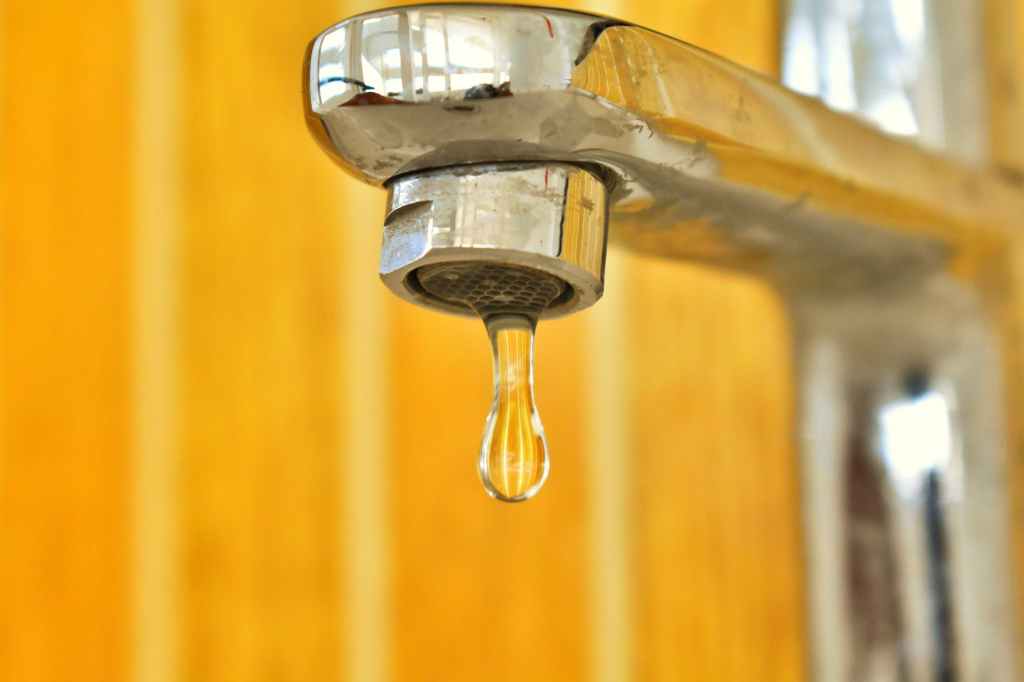
Now, before you say those values are just an estimate and overhyped, remember that one time you had a leaky tap that refused to close properly, and you left a container at the tap. Remember, you came back to an overflowing container only after a few hours. Now, estimate the number of thousands of households that have the same leaky tap or ill-fitting pipe connection. Does that figure look realistic now?
Water treatments vary in cost and could be affordable to very expensive, depending on the treatment technique employed, the quality of the influent, and the expected effluent. These leaks not only reduce available freshwater, bringing about water scarcity, but also mean lost revenue used in treating the water. If the leak involved untreated wastewater, it means a reduction in available freshwater due to contamination of existing available water. Either way, it is a loss. A loss we can’t afford for the sake of our future generations.
When the subject of water scarcity is mentioned, we often think of climate change, water pollution, and overconsumption as discussed in an earlier post, “Are we running out of water?” Leakages, however minimal, increase the risk for water scarcity in an area.
Water scarcity aside, as long as water can flow out, contaminants can flow in. When a pipe loses pressure due to leakage, dirty water from surrounding soil, drains, or sewage can be drawn inside the pipeline network. This creates a pathway for bacteria, viruses, and chemicals, increasing the risk of contamination or waterborne diseases from consuming such water.
It always starts out as a little leakage, but if untreated, the leakage gets bigger due to pressure fluctuations around the leakage. Burst pipes damage roads and pavements, resulting in costly emergency repairs and traffic disruptions.
Can We Ever Eliminate Leaks Entirely?
The simple answer is no – achieving zero leakage in any large water distribution system is practically impossible. Water pipes are buried underground, exposed to soil movement, traffic vibrations, ageing materials, and fluctuating pressure.
Instead of striving for the unrealistic goal of zero loss, let’s set performance benchmarks. As soon as these leakages are noticed, they should be dealt with so they don’t become bigger problems later on. Leakages are often due to ageing pipes, delayed maintenance, and limited monitoring technology.
Locating and repairing every tiny leak is extremely expensive and, in some cases, requires more resources than the water saved. This is why it is important to focus on essential repairs – controlling leaks to a point where water loss, cost of repairs, and service reliability are kept in balance.
Solutions and Innovations
While leaks may never be completely eliminated, they can be significantly reduced through smarter strategies, technology, and community action. Some preventive and innovative approaches to keep precious water from slipping away include:
- Preventive Maintenance and Pipe Replacement: Much of the leakage problem stems from ageing infrastructure. Pipes that are decades old are more likely to crack, corrode, or burst under pressure. Rather than waiting for leaks to happen, routinely inspecting networks, replacing ageing sections, and upgrading weak materials helps reduce water wastage and ensures long-term reliability.
- Smart Water Management: Sensors, IoT, and AI: In our day and time, technology is at the forefront of every activity. Acoustic sensors can listen for the faint sound of water escaping underground. IoT-enabled meters provide real-time data on flow rates, making it easier to pinpoint unusual losses. AI-driven systems that analyse patterns across vast networks, predicting where leaks are most likely to occur. These innovations save both time and money by finding hidden leaks that would otherwise go unnoticed for years.
- Pressure Management: Having high pressure at the tap feels good, but it wreaks havoc on older pipes. The constant pressure strains within the pipe result in leakages within the pipeline network.
- Community Reporting and Awareness: People are always the first to notice that leaky pipe or tap, the soggy soil, or wet pavement due to leakages. Encouraging residents to report leaks allows for them to be fixed quickly. Public awareness campaigns also remind people that water lost in leaks is still water wasted.
Conclusion
At first glance, a little drip here or a minor crack there might not seem like much. But when multiplied across thousands of kilometers of pipelines, those “small leaks” turn into millions of litres of clean, treated water lost every single day. In a world already grappling with water scarcity, this is a hidden drain we cannot afford to ignore. Tackling leakage is just as important as turning off the tap while brushing your teeth or reusing water at home.
 Jay water advisory
Leave a comment