Category: Environmental engineering
-
Hazardous wastes are wastes that could cause harm to life when disposed of improperly. Hazardous wastes can readily catch fire under standard conditions, like oil-based paints or gasoline. They can be corrosive, reactive and toxic when ingested on there is close contact. Imagine a can of spray paint or insecticide when thrown into a burning…
-
Water is said to be abundant in nature. Despite its abundance, freshwater is only 2.5% of the available water, with 68% locked up in ice and glaciers and 30% below the ground. Although water is continually regenerated through the water cycle year after year, the quantity of water we have remains relatively constant each year.…
-
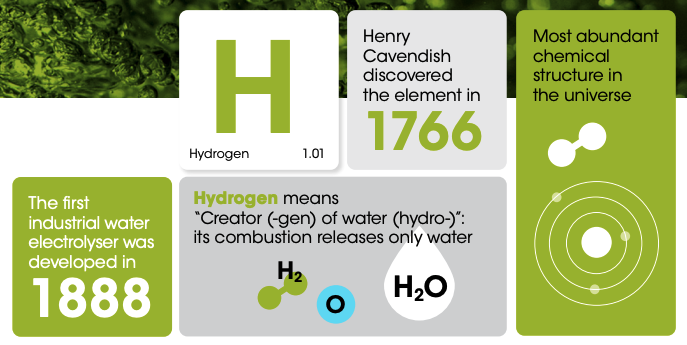
Although hydrogen is abundant in nature, laboratory production of hydrogen gas is required. Using the right type of hydrogen gas can help achieve net zero. Energy gotten from hydrogen gas is the only available energy that produces water, electricity, and heat when consumed in a fuel cell.
-
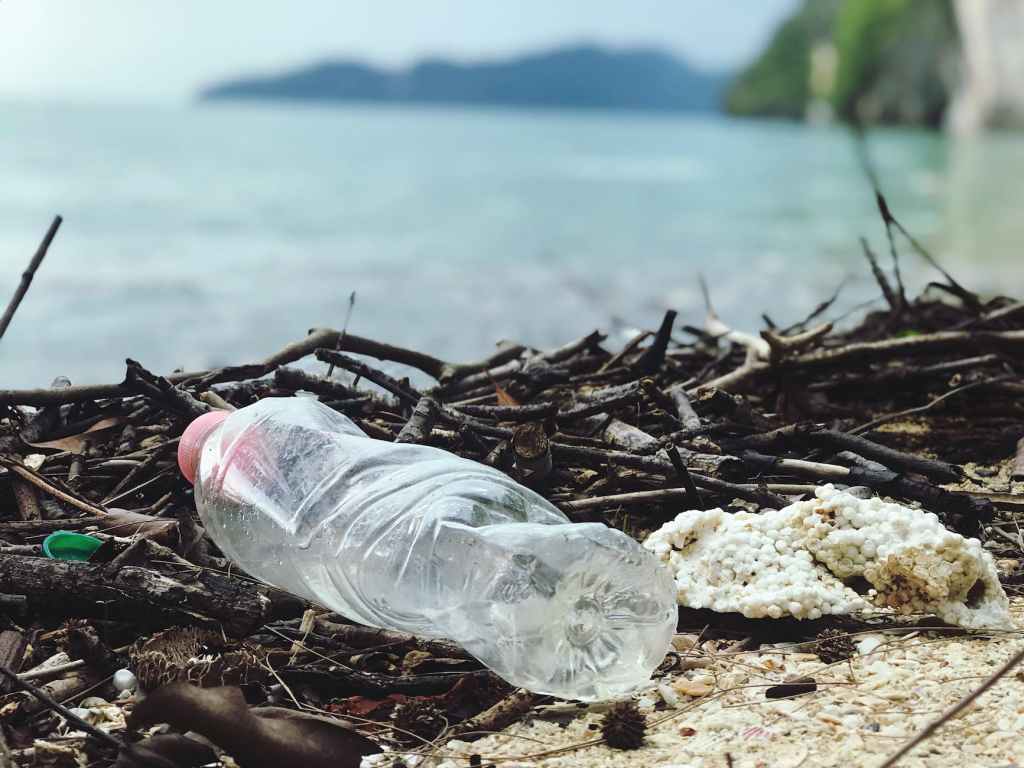
Plastics are recognized to be non-biodegradable and so incapable of decomposition. Plastic may only be reused, recycled, or thrown away. Plastic pollution stems from unregulated plastic use. Plastics that are improperly disposed of are a nuisance to life on land and in water. Plastics, due to their properties, enter the seas and landfills and remain…
 Jay water advisory