Tag: #Environmental Health

  • Living a zero-waste lifestyle without feeling overwhelmed

    Living a zero-waste lifestyle without feeling overwhelmed

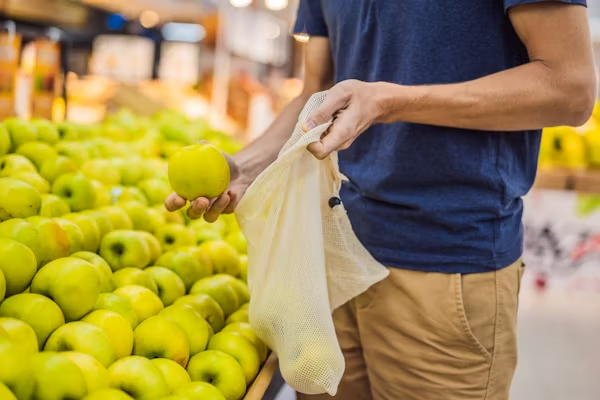
    A man putting fruit into a reusable bag in a fruit mamrket
    Unsplash

    The phrase “zero waste” can feel like a tall order. Images of influencers fitting an entire year’s worth of rubbish into a single mason jar flood social media — and if that’s the benchmark, most of us would quit before we even started.

    But here is the truth: zero waste was never meant to be about perfection. It is about intention. Small, deliberate changes that, when multiplied across millions of households, add up to something genuinely significant.

    Why It Matters — Especially Here

    Nigeria generates at least 32 million tonnes of solid waste every year, according to the World Bank — a figure projected to rise to 107 million tonnes by 2050. Yet less than 30% of that waste is collected and properly managed. The rest ends up in open dumps, gutters, waterways, and burned in the open air — contaminating the same water sources communities depend on for drinking and farming.

    Globally, the picture isn’t much better. The UN Environment Programme projects that municipal solid waste generation will grow from 2.1 billion tonnes in 2023 to 3.8 billion tonnes by 2050 — nearly doubling within three decades. And the cost of ignoring this isn’t just environmental. The global direct cost of waste mismanagement in 2020 was an estimated $252 billion — rising to $361 billion when the hidden costs of pollution, poor health, and climate damage are factored in.

    The good news? It was predicted that widespread adoption of zero-waste practices could cut global greenhouse gas emissions by up to 25% by 2040 — roughly 1.6 billion tonnes of CO₂-equivalent annually. Individual action, it turns out, is not small at all.

    Meet Adeola

    Adeola is 400 level student studying biochemistry in Obafemi Awolowo University. She barely has time to cook due to her hectic schedule and lab work. She lived quite comfortable enough to buy food with proper packaging, at least that’s what her roommates are doing. She noticed one Wednesday that the trash basket in front of her room was more than half way filled. It was 2pm on a public holiday so everyone was around. She examined the trash and saw that a good amount of the trash was dumped by her.

    That day, she thought about the compound effects of her actions and decided to try something different. Not a dramatic lifestyle overhaul. Just one swap per week.

    Week one: she stopped collecting extra polythene bags when she bought her snacks and put them directly inside her tote bag instead. Week two: she got more intentional about cooking her own afterall, they were healthier and she could eat them twice. Week three: she bought a refillable water bottle and left it at an obvious spot on her table so she’d never leave her room without it.

    Half way into her second semester, Adeola saw that even at the second day for the two days public holiday they had, their trash bin wasn’t half yet and it was almost evening. She hadn’t joined a movement or bought expensive items to act sustainable. She had just made small decisions, one at a time, until they stopped feeling like decisions at all.

    This is what a zero-waste lifestyle actually looks like in practice.

    The 5 R’s — A Framework That Actually Works

    Before jumping into specific tips, it helps to understand the thinking behind zero waste. The most practical framework is the 5 R’s, in order of priority:

    1. Refuse — Simply say no to things you don’t need. The free pen at the conference, the extra straw, the plastic bag for one item. Refusing is the most powerful act in zero waste because it prevents the problem entirely.

    2. Reduce — Buy less. Use less. Plan meals so food doesn’t go to waste. Choose quality items that last over cheap ones that don’t. This applies to everything from food to clothing to electronics.

    3. Reuse — Before discarding anything, ask: can this be used again? Glass jars become storage containers. Old newspapers wrap breakables. Worn clothing becomes cleaning rags. Reusing extends the life of what already exists.

    4. Recycle — When refusing, reducing, and reusing aren’t possible, recycle. In Nigeria, informal waste pickers and local recyclers are often the most accessible route for plastics, metals, and paper.

    5. Rot — Composting organic waste (food scraps, vegetable peels) turns what would otherwise go to a landfill into nutrient-rich material for gardens and farms. It is one of the most impactful things a household can do.

    The order matters. Recycling feels virtuous but it is near the bottom of the list — because it still requires energy and resources. Refusing and reducing are always better than recycling.

    Practical Swaps for a Nigerian Household

    Zero waste does not require expensive products or perfect infrastructure. Most of the most impactful changes are also the cheapest:

    In the kitchen:

    • Use a market bag (Ghana-must-go, canvas tote, or basket) instead of collecting polythene bags every time you shop.
    • Buy in bulk where possible — grains, beans, and groundnuts from open markets produce far less packaging waste than pre-packaged equivalents.
    • Store food properly to reduce spoilage. Covering bowls with plates instead of plastic wrap, and using airtight containers, dramatically reduces food waste.
    • Compost vegetable peels and food scraps rather than throwing them in the bin — even a small bucket outside works as a simple compost system.

    Around the house:

    • Replace single-use plastic bottles with a reusable water bottle or flask. One good bottle eliminates hundreds of sachets and bottles per year.
    • When appliances or household items break, repair before replacing. A cobbler, tailor, or local electrician can often fix what would otherwise become waste.
    • Buy second-hand where possible — clothes, books, and furniture from Kantamanto-style markets or online platforms keep good items in use and out of landfills.

    At work and on the go:

    • Carry your own cutlery if you eat out frequently. Avoiding plastic spoons and forks daily adds up quickly.
    • Choose digital over paper wherever practical — receipts, documents, and notes.
    • Decline freebies you won’t use. Every item brought home eventually becomes waste.

    What About When the System Doesn’t Help?

    One of the most common frustrations with zero waste in Nigeria is the lack of formal recycling infrastructure. Unlike countries where recyclables are sorted and collected door-to-door, most Nigerian communities have no such system. And that is a real barrier — not an excuse, but a genuine structural challenge.

    Here is how to work around it:

    • Informal recyclers — known locally as “scavengers” — collect plastic, metal, and paper that can be sold. Setting aside these items separately makes it easier for them to collect what has value and reduces what goes to dumpsites.
    • Aggregator programmes — organisations like Wecyclers and RecyclePoints in Lagos allow residents to earn points or cash for sorted recyclables. Search for equivalents in your city.
    • Community action — even a simple neighbourhood agreement to reduce open burning of waste or illegal dumping in drains makes a measurable difference to local water and air quality.

    The system is imperfect. Your individual effort is still worth making.

    The Mistake Most People Make

    The biggest reason people quit zero waste early is trying to change everything at once. They throw out all their plastic, buy new eco-friendly alternatives, reorganise their entire kitchen — and within two weeks, they are exhausted and back to old habits.

    A more sustainable approach is slower. Pick one area of your life, make one change, and let it become normal before moving to the next. Adeola didn’t overhaul her life in a weekend. She changed one thing per week. That is the pace that sticks.

    Progress over perfection. Always.

    Conclusion

    Zero waste is not about living in a minimalist flat with a single linen tote and a bamboo toothbrush. It is about reducing the gap between how much we consume and how much the earth can absorb. In Nigeria, where waste ends up in our waterways, our farmland, and the air we breathe, that gap has real consequences for real people.

    Every refused polythene bag, every repaired appliance, every compost bucket is a small but deliberate vote for a different kind of future. And those votes add up — one household, one community, one city at a time.

    You don’t have to be perfect. You just have to start.
  • Different colours for hydrogen gas

    Different colours for hydrogen gas

    3–5 minutes

    Hydrogen is a chemical substance with the symbol H and an atomic number of 1. It is the most abundant chemical substance on earth, constituting about 75% of all matter. Hydrogen is usually found in combination with other substances. Although hydrogen is one of the most abundant chemical substances, it takes up only 0.14% of the earth’s crust by weight.

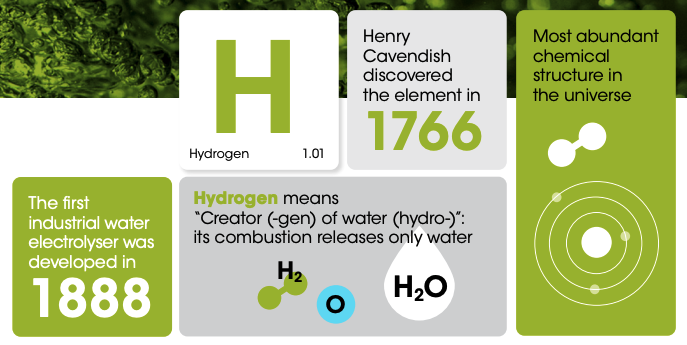
    Basic details about hydrogen as an element.
    Hydrogen is the most abundant element ever. Source: International Renewable Energy Agency

    Hydrogen as a gas is not easily obtained in nature. As a result, numerous processes are used to create hydrogen gas. The different colours for hydrogen are named from the manufacturing method and may range from region to region.

    Hydrogen gas has a wide range of applications, from commercial to personal or domestic. Hydrogen may be used in power plants, as a coolant in factories, in weather balloons, and in the manufacturing of ammonia, which is used in fertilizers.

    Apart from the most well-known colours of green, blue, and grey, hydrogen gas may be identified with six more colours: brown or black, turquoise, purple, pink, red, and white.

    Green hydrogen

    Green hydrogen, also known as clean hydrogen, is generated by electrolyzing water molecules to separate hydrogen and oxygen using renewable energy such as wind or sun. It is termed green because there are no carbon dioxide emissions throughout the production process.

    Green hydrogen costs twice as much as regular hydrogen and blue hydrogen. The cost of green hydrogen is determined by the cost of power, technology, and storage in the area. Although the cost of renewable energy and electrolysis equipment is decreasing, green hydrogen may not get considerably cheaper because of the high cost of the technology involved.

    Production process of hydrogen till its end use point.
    Production process and end use of hydrogen Source: International Renewable Energy Agency

    Blue hydrogen

    Blue hydrogen is generated from fossil fuels such as methane or coal using heat, steam, and pressure. The carbon generated during the process is captured and stored underground through industrial carbon capture and storage (CSS).

    Production of blue hydrogen often requires a lot of energy, and it is not sustainable. The production costs and the water requirements depend on the technology employed in the production.

    Grey hydrogen

    Grey hydrogen is generated similarly to blue hydrogen, except unlike blue hydrogen, the carbon dioxide emitted during the creation process is not collected.

    Turquoise hydrogen

    Another kind of hydrogen that can be described to offer clean hydrogen is turquoise hydrogen. Turquoise hydrogen is developed by a process known as methane pyrolysis, which generates solid carbon and hydrogen gas. The solid carbon produced can be utilized to make tyres or as a soil improver.

    Grey, Blue, Turquoise and Green Hydrogen compared.
    Grey, Blue, Turquoise and Green Hydrogen compared. Source: International Renewable Energy Agency

    Yellow hydrogen

    Yellow hydrogen is produced through electrolysis using solar energy. It can be argued that yellow hydrogen is another type of green energy on the hydrogen spectrum.

    Brown or black hydrogen

    Brown hydrogen is produced from bituminous coal, while brown hydrogen is produced from lignite coal through the gasification process. The production process is quite polluting because it involves turning coal into gas, which releases a lot of CO2 into the atmosphere.

    Pink hydrogen

    Pink hydrogen, also known as red or purple hydrogen, is similar to green hydrogen in that they are both produced through the process of electrolysis, but while green hydrogen is produced with renewable energy, pink hydrogen is produced using nuclear energy. Since nuclear energy has low carbon and water has no carbon, the entire production process has little to no carbon in it. Radioactive waste is a byproduct of the production process of pink hydrogen, and this hurts the environment.

    White hydrogen

    White hydrogen occurs naturally. It is not developed in the laboratory, unlike other gases, but it is found as a free gas either in layers of the continental crust, deep in the oceanic crust, in volcanic gases, in geysers, or in hydrothermal systems.

    Conclusion

  • Plastic pollution

    Plastic pollution

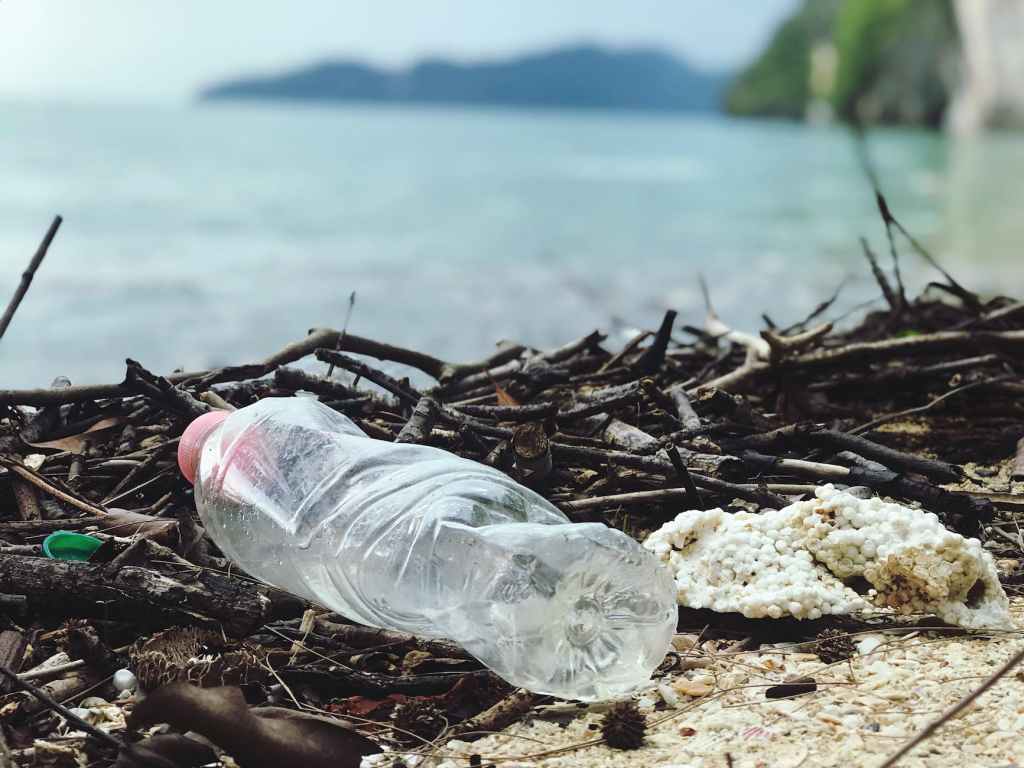
    Plastic waste on the floor near the sea
    Photo by Catherine Sheila on Pexels.com

    Plastics are a vast range of synthetic or semi-synthetic materials that are mostly composed of polymers. Plastics, due to their fluidity, may be formed into a variety of shapes and forms. This feature, along with others such as its lightweight, has contributed to the widespread usage of plastics.

    Alexander Parkes exhibited the first plastics at the London International Exhibition in 1862. Plastics’ extensive use might be attributed to their fluidity, which allows them to be readily moulded, extruded, or pressed into solid things of various shapes. They are relatively less hazardous than other materials, have a lower production cost, and have no significant competitors.

    Plastics are recognized to be non-biodegradable and so incapable of decomposition. Plastic may only be reused, recycled, or thrown away. Plastic pollution stems from unregulated plastic use. Plastics that are improperly disposed of are a nuisance to life on land and in water. Plastics, due to their properties, enter the seas and landfills and remain there for millions of years, occupying space and posing a hazard to aquatic life.

    Common plastic disposal methods.

    Appropriate plastic disposal may be costly, time-consuming, and needs specialized knowledge. The following is a list of common plastic disposal methods.

    1. Landfills. Plastic may be disposed of in landfills, but this can cause numerous issues. Landfills take up space, and in badly managed landfills, plastic trash can be blown into oceans and rivers. Plastics that are left in landfills may eventually decompose and emit toxins.
    2. Burning. Polymers are occasionally burnt in order to turn waste into another type of energy. Plastic trash incinerators, on the other hand, are costly to build and maintain. It is also a possible source of dangerous substances being released into the atmosphere. Plastics are often burned outside of incinerators in poor and undeveloped nations when there is no strategy to convert garbage to electricity. This method emits hazardous chemicals into the environment and should be avoided at all costs.
    3. Reuse. Certain plastics are reused several times before being discarded. It is estimated that reusing 10% of plastics will save nearly half of all plastic garbage from entering the ocean. Finding a means to reuse an object again and over again is the goal of reusing it. Instead of throwing it out, it might be recycled, upcycled, downcycled, or utilized as it is.
    4. Recycle. Plastic trash recycling normally entails sorting, cleaning, shredding, melting, and remoulding. As plastic is recycled, its quality degrades. When plastic is melted, the polymer chains are partly broken down, reducing tensile strength and viscosity and making it more difficult to process. Plastic can only be recycled a few times using this approach before it becomes unstable and unfit for use. As a result, chemical recycling of plastic is required. Plastic recycling is incredibly tricky, with just 9% of all plastic ever manufactured being recycled into new plastics.
    5. Upcycle. Upcycling transforms the material into something more valuable. Upcycling offers more value to a material than recycling.
    6. Chemical recycling This is the process of converting polymers back to the original source, petroleum. Chemical recycling decreases the usage of landfills since the recycled material may be utilized to manufacture new goods. This recovery procedure may be used to recycle practically any type of plastic material, even those with varied plastic compositions.
    7. Biodegradable plastics. Under the correct conditions, microbes may totally degrade biodegradable plastic into water, carbon dioxide, and compost. Renewable raw resources, microorganisms, petrochemicals, or mixtures of all three are often used to make biodegradable plastics. Biodegradable polymers are quickly replacing single-use plastics such as straws and cutlery. Today’s “bio-degradable” plastic bags, and cutlery on the other hand, do not degrade during standard composting and pollute other recyclable plastics.

    Although plastics have become an integral part of life, we should:

    1. Do away with single-use plastics. For instance straw. If you must use a straw, go for stainless steel or glass straw.
    2. Give up gum. It is made with plastic (synthetic rubber).
    3. When storing foods, minimize the use of plastics. Switch to more sustainable materials such as jars or glass containers.
    4. Purchase in bulk. It saves on materials used for packaging.
    5. Use a glass or steel refillable bottle in place of plastic ones.
    6. Take a shopping bag with you when you shop.
    7. Make your own tea. Avoid using tea bags as they release about 11 billion microplastics into a single cup of tea. Instead, buy loose tea in bulk and use a tea infuser or strainer to make your tea.

    Conclusion

    Plastics are a vast range of synthetic or semi-synthetic materials composed of polymers. They are popular due to their fluidity, which allows them to be readily moulded, extruded, or pressed into solid things of various shapes.

    Polymers are non-biodegradable and incapable of decomposition, so they can only be reused, recycled, or thrown away. Plastics are also a nuisance to life on land and in water, as they enter the seas and landfills and remain there for millions of years, occupying space and posing a hazard to aquatic life.

    Landfills can take up space and can emit toxins, while plastic trash incinerators are costly to build and maintain. Reusing 10% of plastics is estimated to save nearly half of all plastic garbage from entering the ocean. Recycling, upcycling, downcycled, or utilized as it is a common way to reuse plastic. Upcycling transforms the material into something more valuable and offers more value to a material than recycling.

    Chemical recycling is the process of converting polymers back to the original source, petroleum, and can be used to recycle practically any type of plastic material. Biodegradable plastics are quickly replacing single-use plastics but they do not degrade during standard composting and pollute other recyclable plastics.

  • Air pollution

    Air pollution

    Air pollution is when harmful compounds enter the atmosphere and modify their properties and composition.

    Air pollution endangers life on Earth and is caused mainly by the emission of toxic gases into the atmosphere. According to the World Health Organization (WHO), air pollution kills around seven million people worldwide.

    Air pollution is caused majorly by the usage of energy and the manufacture of materials. One of the risk factors for climate change is air pollution.

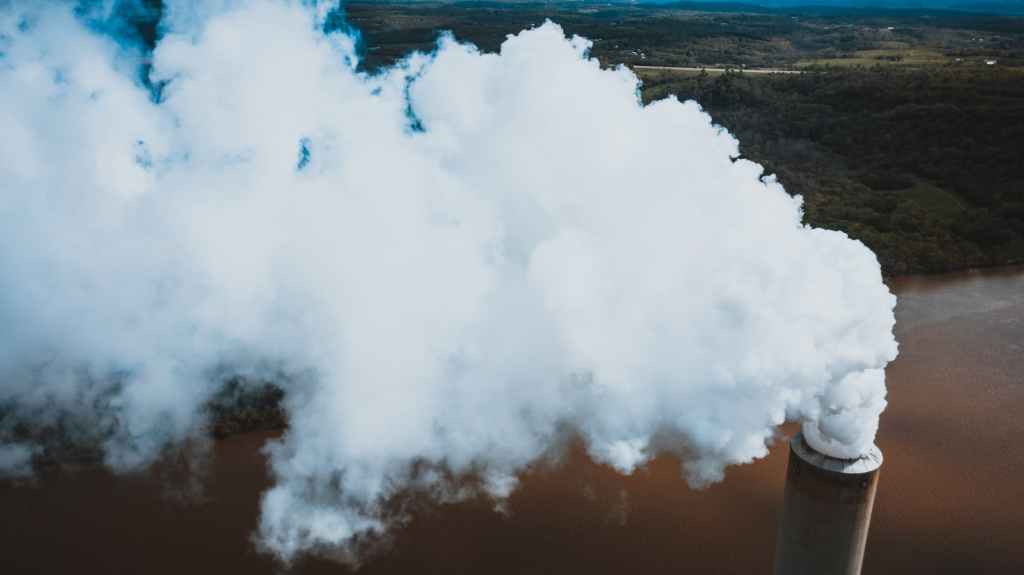
    Photo by Kelly on Pexels.com

    Types of air pollution

    The United States Environmental Protection Agency US EPA has recognized six classes of air pollution. It includes the following

    • Carbon monoxide
    • Lead
    • Nitrogen Oxides
    • Ground-level ozone
    • Particle pollution
    • Sulfur oxides

    Carbon monoxide

    Carbon monoxide is an odourless and colourless gas. It is made up of one carbon molecule and one oxygen molecule. It is produced by the exhaust of fossil-fuel-powered motors.

    When one breathes in the air with a high concentration of carbon monoxide, the amount of oxygen reaching the bloodstream is reduced because the oxygen is gradually replaced by carbon monoxide. Carbon monoxide poisoning can cause disorientation, headache, dizziness, nausea and weakness. In extreme cases, (unusually an enclosed area), it can result in unconsciousness and death.

    Lead

    Lead is frequently discharged into the atmosphere as a suspended particle. After some time in the air, lead is known to settle on the earth or ground. Lead is known to be persistent in the environment. This implies that lead can be breathed or consumed. Sources of lead include leaded aviation fuel, waste incinerators, and battery recycling.

    Ingestion or inhalation of the lead causes rapid diffusion in the blood and absorption into the bones. Lead affects the renal function, reproductive system, cardiovascular system, and brain system in children, depending on the extent of exposure.

    Nitrogen oxides

    The majority of nitrogen oxides are generated during burning. Natural sources of nitrogen oxides include lightning strikes and microbiological activity in soils. Nitrogen oxides are a significant contributor to photochemical smog. The reddish-brown colour of photochemical haze is caused by nitrogen oxide.

    Household appliances, such as gas stoves, are typical sources of nitrogen oxides. Excessive nitrogen oxide exposure (such as cooking on a gas burner in a poorly ventilated location) damages the respiratory system. Severe lung illnesses are caused by continuous and sustained exposure.

    Photochemical smog over a city. Source: Bing

    Ground level ozone

    Because it is created by the interaction of nitrogen oxides and volatile organic molecules, ground-level ozone is classified as a secondary pollutant. Ground-level ozone is a significant contributor to photochemical smog.

    Coughing and itching are symptoms of ground-level ozone exposure. It also makes taking a deep breath more difficult. Ground-level ozone reduces photosynthesis by interfering with the plant’s ability to breathe, resulting in a decrease in plant growth rate.

    Particle pollution

    Particle pollution, also known as particulate matter, is the presence of fine particles of solids or liquids in the air. Smoke, dust, and fog are examples of these. Laser cutting, chimneys, air fresheners, cars, stoves, and incense are all sources of particulate matter.

    Particle pollution can impair lung function and even induce heart attacks. When smaller fragments are breathed in, they can enter the lungs and induce lung failure. Larger particles can irritate the eyes, nose, and throat.

    An example of particle pollution. Source: Photo by Kelly on Pexels.com

    Sulfur oxides

    Sulfur oxides trigger acid rain and particle pollution. They might take the shape of solid particles, liquids, or gases. Sulfur oxide is prevalent in the atmosphere mostly as a result of human activity. Sulfur oxides can also be emitted into the environment naturally, such as by volcanoes. High amounts of sulfur oxides can be obtained by human activities such as the combustion of fossil fuels and the smelting of mineral ores.

    Sulfur oxides cause plant leaves to deteriorate, slowing their development. The odour of sulfur oxides is stifling, and exposure can cause nasal discomfort, respiratory difficulties, and heart disease.

    Tips to deal with Air pollution

    With the rise of industries and vehicles on the road, the air remains polluted even when the air quality index is reported to be green. To protect yourself when air pollution occurs, you can do the following:

    1. Wear a nose mask when outdoors.
    2. Run an air purifier when indoors.
    3. Avoid outdoor workouts. You breathe in deeply and heavily when you work out which equates to inhaling more polluted air.
    4. Check daily air pollution levels to choose suitable days for outdoor activities. You can use IQAir to check for the air quality in your environment.

    Ways to reduce air pollution

    One of the most important strategies to minimize air pollution is to limit the amount and pace at which fossil fuels are used. Other methods for reducing air pollution include:

    1. Choose more environmentally friendly ways of transportation.
      • You can opt for an electric vehicle in place of fuel-based vehicles.
      • Walk short distances.
      • Carpool when you are headed in the same direction as people.
    2. Use clean fuels and technologies such as biogas in cooking to reduce air pollution indoors.
    3. Avoid waste burning. Compost your waste instead. Use more recyclables.

    Conclusion

    When dangerous substances enter the atmosphere and change their characteristics and makeup, this is referred to as air pollution. Air pollution threatens life on Earth and is mostly caused by the release of poisonous gases into the atmosphere. Air pollution kills around seven million people globally, according to the World Health Organization (WHO).

    Air pollution is caused mainly by human activities such as burning fossil fuels. It can also occur due to natural factors such as the eruption of volcanoes.

    Pollutants in the air irritate the eyes, nose, and throat. When exposed to contaminated air for an extended period of time, they may damage respiratory functioning and induce heart failure.

    Using clean cooking technologies, well-maintained automobiles, carpooling, and more environmentally friendly modes of transportation all help to slow the pace of increase in air pollution.

    Using an air purifier indoors and a nose mask outdoors helps to reduce the risk of breathing in polluted air.

Design a site like this with WordPress.com
Get started