Tag: #flooding

  • After the Floods: How Floodwater Contaminates Your Drinking Water and What to Do

    After the Floods: How Floodwater Contaminates Your Drinking Water and What to Do

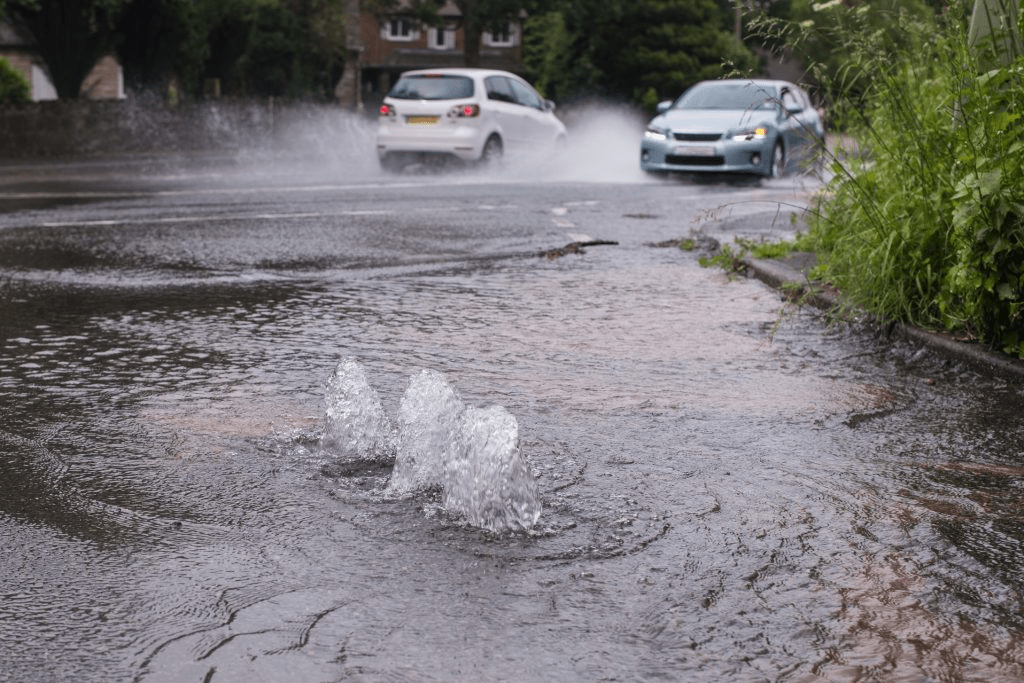
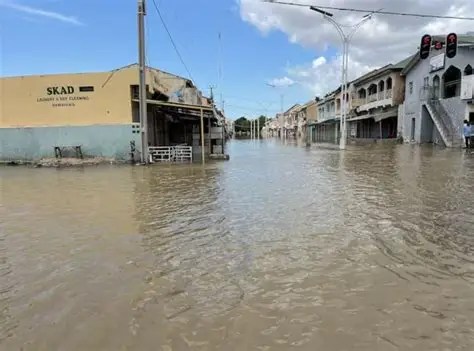
    The rains have come. Streets are submerged, drains are overwhelmed, and water is everywhere. Then the floods recede — and life slowly tries to return to normal. You turn on your tap or pump your borehole, relieved that the water is flowing again.

    But is it actually safe?

    This is one of the most dangerous assumptions made after flooding in Nigeria. Floodwater does not simply pass through — it leaves something behind. And what it leaves behind in your water sources can make you very sick.

    What Floodwater Actually Carries

    Floodwater in Nigerian cities and towns is rarely just rainwater. By the time it reaches your compound, it has swept through streets, open drains, dumpsites, pit latrines, and sewage channels — picking up everything along the way.

    Research published in Applied Water Science confirms that flooding increases faecal indicator bacteria counts in groundwater sources during and immediately after flood events. In simple terms: floodwater carries faecal matter, and it finds its way into wells and boreholes.

    The specific contaminants introduced include:

    Bacteria such as E. coli, Salmonella, Shigella, and Vibrio cholerae — all capable of causing severe illness. A study assessing water sources in Ibadan found E. coli and Salmonella in wells and boreholes, with contamination significantly higher during the wet season.

    Parasites such as Giardia lamblia, Entamoeba histolytica, and Cryptosporidium — which cause persistent diarrhoea and stomach illness and are harder to kill than bacteria.

    Chemicals from flooded dumpsites, fuel stations, agrochemical stores, and industrial areas — including heavy metals, pesticides, and petroleum compounds that boiling alone cannot remove.

    Sediment and debris that clouds the water and provides hiding places for pathogens, making it harder to treat effectively.

    This is not a theoretical risk. It has direct, measurable consequences for Nigerians every single rainy season.

    The Cholera Connection

    The link between flooding and cholera in Nigeria is well-documented and deeply alarming. In 2024 alone, Nigeria reported over 10,837 cholera cases and 359 deaths across 35 states and the FCT, according to WHO data — with the outbreak triggered and worsened by flooding across the country.

    Save the Children reported that Nigeria’s cholera fatality rate reached 2.9% in October 2024 — nearly three times the 1% international standard. Children under five were among the most affected.

    A review published in Frontiers in Public Health notes that cholera outbreaks in Nigeria consistently peak between June and September — exactly when the rainy season and floods are at their most intense. Flooding overwhelms water systems, contaminating drinking sources with Vibrio cholerae from sewage and waste, creating conditions for rapid transmission.

    Water scarcity and water quality are two sides of the same coin. Poor water quality directly or indirectly implies water scarcity. The dumpsites and chemical stores that floodwater sweeps through add a toxic dimension to an already dangerous situation. This further worsens the quality of an already poor water quality in some cases.

    Why Wells and Boreholes Are So Vulnerable

    Many people assume that boreholes are safe from flooding because they draw water from underground. This is only partially true.

    A study on borehole water quality in Port Harcourt found that boreholes in flood-prone and densely populated areas showed significant microbial contamination. The routes of entry include:

    • Damaged or loose well caps that allow floodwater to pour directly into the casing
    • Cracked well casings that create pathways for contaminated surface water
    • Saturated soil around the borehole that carries pathogens downward into the aquifer
    • Old or rusty pipes in the distribution system that allow bacteria to enter, as highlighted in our earlier piece on pipeline leakages
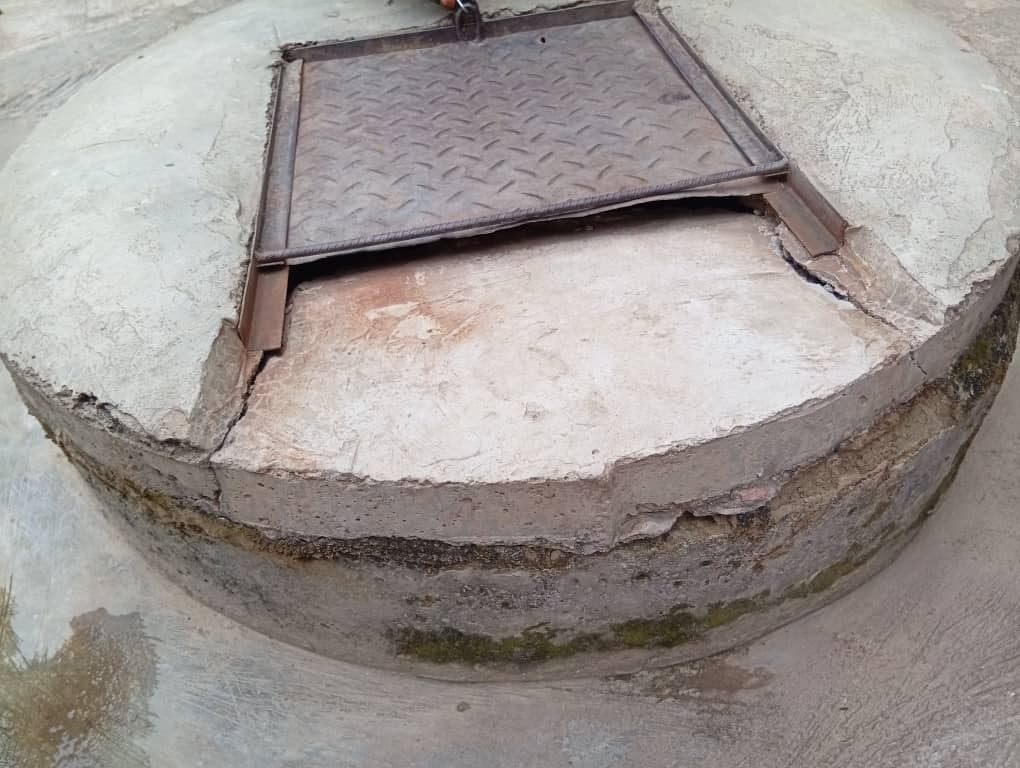
    A well with a poorly fitted cover
    Hand-dug well with an ill-fitting cover

    Shallow hand-dug wells are the most vulnerable of all — often directly exposed to surface water during flooding. Research in Lagos confirmed that shallow wells showed the highest contamination levels, with contamination significantly worse during periods of heavy rainfall.

    Deeper boreholes with intact casings and proper sealing offer more protection — but even these are not immune if the infrastructure around them has been compromised.

    Signs Your Water May Be Contaminated After a Flood

    Your water may not look or smell different, but watch for these warning signs:

    • The borehole or well was submerged or surrounded by floodwater
    • The well cap or casing was visibly damaged, displaced, or loose
    • The water appears cloudier or has a different colour than usual
    • There is an unusual smell — earthy, chemical, or sewage-like
    • Multiple people in the household or community fall ill with diarrhoea or vomiting shortly after using the water
    • The flood passed through areas with dumpsites, pit latrines, or fuel stations nearby

    If any of these apply, treat your water as contaminated until confirmed otherwise.

    What to Do — A Practical Step-by-Step Guide

    Step 1 — Stop using the water immediately for drinking and cooking. Do not assume floodwater-affected sources are safe. Use stored bottled water, sachet water or water from a known clean source as your first priority.

    Step 2 — Let the floodwater fully recede before assessing your source. Do not turn on the borehole pump while the surrounding area is still flooded — this can pull contaminated surface water into the system.

    Step 3 — Inspect the physical condition of your well or borehole. Check for a damaged casing, displaced cap, sediment inside the casing, or visible debris. If structurally damaged, call a licensed borehole technician before use.

    Step 4 — Flush the system. Once floodwater has receded and the structure appears intact, run the pump for an extended period to flush out the immediate post-flood water before attempting treatment.

    Step 5 — Boil your water. According to the CDC, boiling is the most reliable method for killing bacteria, viruses, and most parasites. Bring water to a vigorous rolling boil for at least one full minute, then allow it to cool in a covered, clean container before use. Boiling works for biological contamination — but will not remove chemicals, heavy metals, or fuel.

    Step 6 — Chlorinate if boiling large volumes is not practical The US EPA recommends using regular unscented household bleach (sodium hypochlorite, 5–8%) for emergency disinfection. For clear water, add 6 drops per litre. For cloudy water, first strain through a clean cloth, then add 12 drops per litre. Stir and let stand for 30 minutes before use.

    Step 7 — Filter before you treat. If water is visibly cloudy or turbid, strain it through a clean cloth or fine filter before boiling or chlorinating. Turbid water blocks the effectiveness of both methods — particles shield pathogens from heat and chemical treatment.

    Step 8 — If you suspect chemical contamination, do not boil. Water that smells like fuel, has an oily sheen, or comes from an area where chemicals were stored or flooded should not be used at all. Boiling concentrates chemicals — it does not remove them. Find an alternative source and seek professional assessment.

    After Treatment — Storage Matters Too

    Treating your water carefully and then storing it in a dirty container or an open bucket undoes all the effort. Store treated water in clean, covered containers. Do not dip unclean hands or cups directly into stored treated water — use a clean ladle or tap.

    Prevention — What You Can Do Before the Next Flood

    • Raise your wellhead — boreholes and well casings should sit above the typical flood level of your compound
    • Seal your well cap properly — a tight, secure cap is one of the simplest and most effective barriers against contamination
    • Store clean water before the rains peak — fill clean containers during dry periods as a reserve
    • Know where your nearest safe water source is — churches, schools, or community water points may have safer supply during emergencies
    • Never locate a borehole near a pit latrine or dumpsite — they should be at minimum 30 metres apart, as public health guidelines recommend

    Conclusion

    Flooding does not end when the water drains away. It leaves behind a contamination problem that is invisible, odourless, and life-threatening — particularly for children under five, who are the most vulnerable to the waterborne diseases that follow.

    The good news is that practical, low-cost steps can protect your household. Boiling, chlorination, proper storage, and basic borehole maintenance are not complicated. They simply require awareness — and that is exactly what this article is for.

    When the floods come this year, do not just ask whether the water is flowing. Ask whether it is actually safe.

    For more on Nigeria’s water challenges, read up on

  • Hydraulic Structures

    Hydraulic Structures

    Hydraulic structures are structures that are submerged in water completely or partially. They could be used to transport water, store water, or restrict the flow of water. In other words, hydraulic structures influence the natural flow of water.

    A hydraulic flow meter can be used to measure the flow of water in hydraulic structures. It measures the rate at which water flows through hydraulic structures. To determine the flow rate, the hydraulic flow gauge should be placed at any point along the hydraulic grade.

    One of the questions posed during the planning stage of any construction project is, “Where is the water path?” Knowing the water path, the purpose of the hydraulic structure, the area’s topography, and the volume of water for the proposed construction area provide a basic understanding of the type of proposed hydraulic structure to be used.

    Understanding the topography of the construction area and acting according to it or using it to one’s advantage eases the stress of construction even when there is a well-written out plan for the type of hydraulic structure to be erected. For example, if a storage dam is to be built along a river with a steep slope, building a coffer dam first eases construction because there will be little to no water in the construction area. Depending on how it is built, the coffer dam can easily be converted to a debris dam to trap dirt after construction.

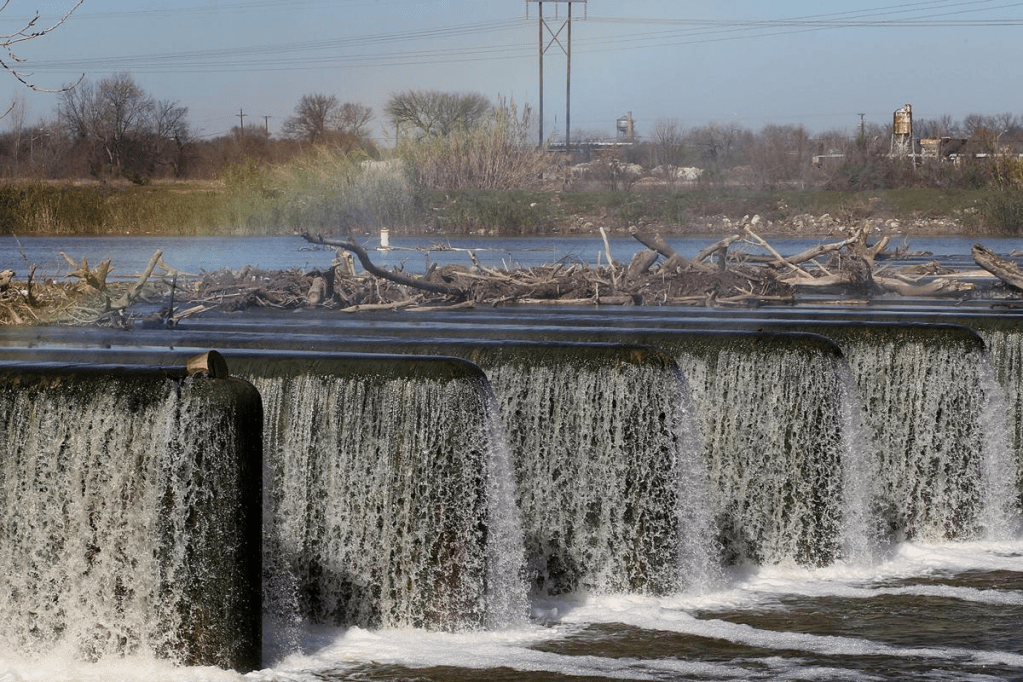
    Figure 1: A view of a dam from the spillway. Source: Flickr.

    Types of hydraulic structures

    Hydraulic structures include:

    1. Dam
    2. Culvert
    3. Bridge
    4. Drains
    5. Weirs

    Dams

    Dams are built to regulate the flow of water. Dams could be used to alleviate flooding by retaining water and reducing the amount of water that flows downstream. The water stored in the dam’s reservoir could also be used to irrigate during times of scarcity.

    Dams are classified according to their purpose, design, and structure. Dams classified according to their purpose, include:

    1. Storage dam is the most common type of dam. It is used to collect rainwater and store it for use when there is a low amount of rainfall. The stored water can be used for irrigation or to generate electricity.
    2. Diversion dams are also known as weirs. They divert water from its natural course into farms for irrigation.
    3. Detention dams are primarily used for flood control. It is usually built downstream, but to ensure its effectiveness, it is sometimes built at various points along the river to properly retain the water. It retains water during flash floods and releases it at a controlled rate after the flood to protect the downstream.
    4. Debris dams are typically built near storage dams to reduce the number of impurities in the water entering the storage dam.
    5. Coffer dams are temporary dams built to hold water while a primary dam is being built. After the primary dam is built, it is either converted into a debris dam or demolished.
    Figure 2: A debris dam trapping wooden debris. Source: Waco Tribune-Herald

    Culverts and bridges

    Culverts and bridges perform similar functions in that they both provide transportation over a body of water. Bridges are used not only over bodies of water but also when there is a deep valley between two mountains.

    Bridges are typically built with precast members. Culverts are typically cast on-site, but they can also be precast and assembled on-site. Bridges generally require more time to plan and build and hence can’t have rushed construction work. Bridge construction is also less economical because it requires more time and technical personnel.

    Because bridges and culverts are so similar, the purpose of the hydraulic structure and a variety of other factors are considered before deciding whether to build a bridge or a culvert. The properties of the construction site are usually used as a final determinant for the type of hydraulic structure.

    For example, why would you build a culvert in place of a bridge, or vice versa? Can you provide an explanation for your decision? Let’s use this as an example. A stream runs through a proposed road construction site. The depth to the river bed is 7m. The stream is 8 meters wide and has vegetation planted along its path. During rainy seasons, the river has an 85% chance of overflowing its banks. A manufacturing company is to the right upstream, and a secondary school and a church are to the right and left, respectively, downstream. It’s June, and we’re planning to start building in the next two weeks. Do we build a bridge or a culvert?

    If the depth to the river bed is greater than 6m, a bridge should be considered. If there is so much unsuitable material at the river’s bed, a bridge may be a better option. Consider using a culvert if there is an easy way to divert the water. If there is a lot of water, a bridge is a better option.

    If you do decide on a culvert, there are guidelines for selecting a specific type of culvert. A pipe culvert, a box culvert, a pipe-arch culvert, or any other type of culvert could be used.

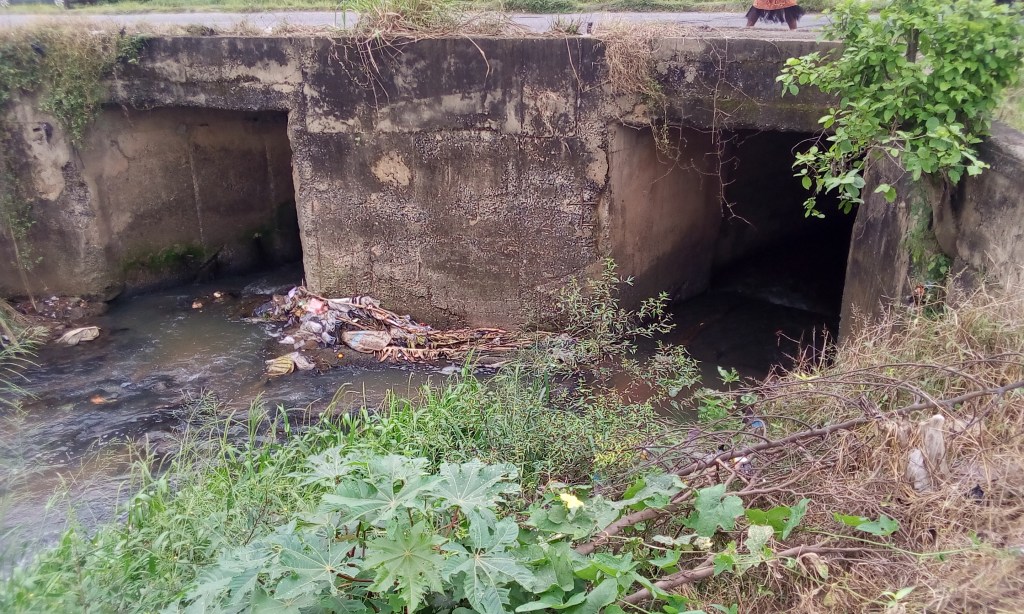
    Figure 3: Orogun box culvert at Orogun, Ibadan, Nigeria.

    Drains

    Drains are hydraulic structures that remove excess water from the earth’s surface or subsurface. Surface water is collected, removed, and disposed of by road drains (or stormwater drains). Road construction is only considered fully completed when there is a road drain. Road drainage systems ensure that no or a small amount of water remains on the road. This helps to ensure the road’s stability and durability, as structures that are constantly exposed to water are more prone to deterioration.

    Drains could be opened or closed. A drain should be kept closed for safety reasons. A closed drain is an example of a pipe drain. Having drains around keeps the area dry. A city should have an adequate drainage system. When it is insufficient (cannot carry the amount of water coming into it) or inadequate (in number and networking), the city is at risk of flooding.

    Drains not only remove stormwater from roads, but they can also transport wastewater to treatment plants, treated water to consumers, and much more. Normally, wastewater drains are closed (with only an entry and exit)

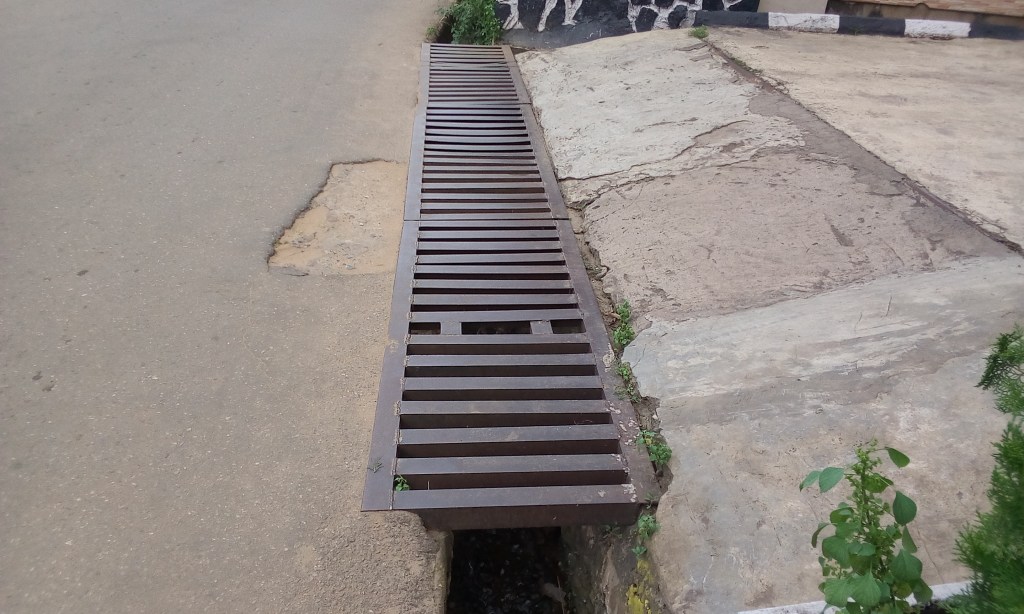
    Figure 4: A road drainage along Orogun road, Ibadan, Nigeria.

    Conclusion

    Hydraulic structures influence the natural flow of water. The flow of water can also be measured in hydraulic structures using a hydraulic flow meter.

    Understanding the water path, the purpose of the hydraulic structure, the topography of the area, and the volume of water in the area provides a foundation for determining the type of hydraulic structure that should be used.

    Dams are built to restrict the flow of water and are primarily used to address flooding and water scarcity issues. It can also be used for energy generation and recreation. Dams are classified according to their purpose, design, and structure. Dams are classified into storage, diversion, detention, debris, and coffer dams based on their purpose.

    Bridges and culverts have similarities and advantages over one another. A basic understanding of the nature of the construction site aids in the selection of the ideal hydraulic structure. Choosing the appropriate hydraulic structure aids in the adequate conveyance of water while reducing the risk of flooding.

    Hydraulic structures are an essential component of the environment. Hydraulic structures, whether natural or man-made, help to manage water bodies and reduce the likelihood of flooding when they are well-networked.

  • Flood control

    Flood control

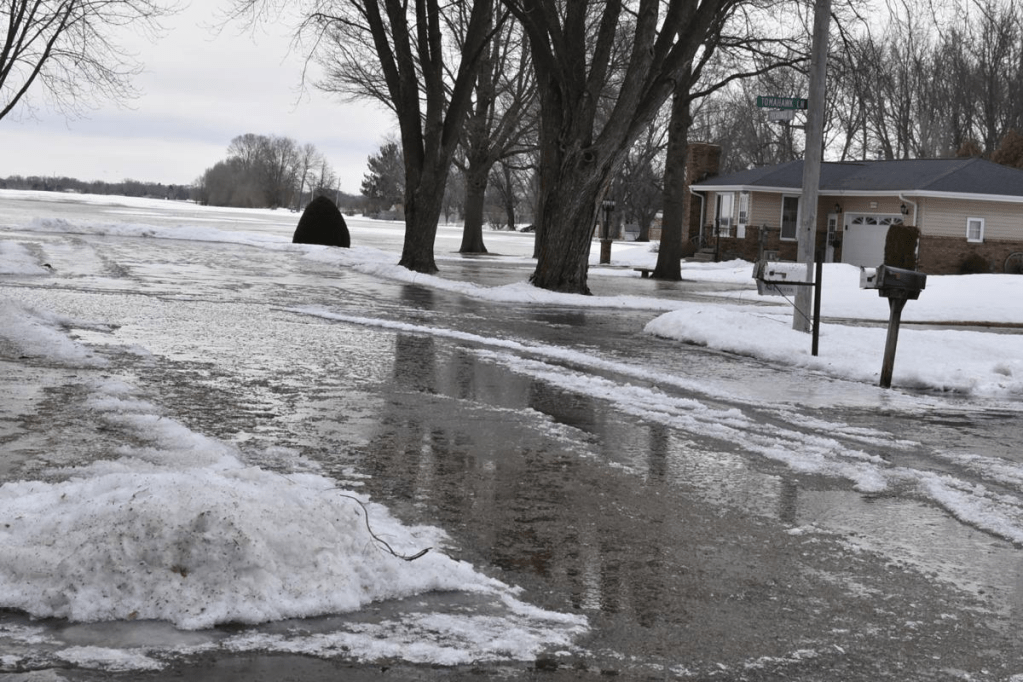
    Flooding can occur due to rainwater accumulation in an already saturated area, storm surges, or rapid melting of snow. Flooding is a common phenomenon in lowlands and floodplains, especially during rainy seasons, but it can occur anywhere. A snowmelt flood is a type of flood in which melted snow is the primary source of water.

    Snowmelt flood. Source: Google.

    Types of flooding.

    1. Flash floods. This is usually associated with unexpected and heavy rain. It usually lasts less than 6 hours. It happens mainly because the amount of rainfall is greater than what the ground can handle in a given amount of time. Flash floods can also occur as a result of rapidly melting snow or a hurricane. This type of flood is a disaster flood because it involves a large volume of water moving at high velocity, easily sweeping anything in its path.
    2. River floods. This primarily impacts lowlands and floodplains. When it rains for an extended period of time, the amount of water in the river rises to the point where it overflows its banks. Planting trees along the river’s path and channelizing the river could reduce the likelihood of a river flood.
    3. Coastal floods. This is caused by a sudden increase in sea levels, such as during a storm surge. The seawater occupies normally dry ground around it.
    4. Groundwater flood. It is an elevation of the existing water table above the rock or soil beneath, causing water to flow to the ground surface. This is caused by constant rainfall. It may occur days to months after the rainfall has occurred.
    5. Drain and sewer flood. A blockage in the drainage system is the most common cause of a drain and sewer flood. It could also happen in the case of a combined sewer if there is heavy rain for an extended period of time.
    Figure 2: Drain and sewer flood. Source: Drain and sewer services.

    Tips to reduce the probability of flooding

    Flooding can occur on any type of land. Although some areas are more prone to flooding than others, a combination of the following measures could reduce the risk or severity of flooding in an area.

    1. Having a functional drainage system or a clearly defined water path.
    2. Planting trees or other vegetation.
    3. Collecting rainwater from the roof and transferring it to the nearest drainage.
    4. When building a house, make sure the ground around it slopes away from it.
    5. Plants should be kept at least 1.5 meters away. Trees should be kept at least 5 meters away.
    6. Put a halt to indiscriminate waste disposal. Improperly disposed of waste always finds its way into drains and clogs them.
    7. As soon as possible, clear any clogged drains and repair any busted pipes in or around the house.
    8. In areas where groundwater flooding occurs, use a waterproof membrane before beginning any work to prevent water from rising continuously.
    9. Use a water repellent to coat the lower portion of the external walls to prevent water seepage.
    10. Keep outer drains at least 3m away from buildings.
    Figure 3: Vegetation along the river path to reduce the risk of river flooding. Source: Google.
Design a site like this with WordPress.com
Get started