Tag: #hydraulicstructures

  • Leakages in pipeline networks: do they really matter?

    Leakages in pipeline networks: do they really matter?

    A leaky tap, an ill-fitting pipe connection, a broken faucet – compared to industries and agricultural farms, the water loss is approximately negligible – so, does it really matter on the large scale of things? About 126 billion cubic metres of water is lost due to these “negligible” losses yearly worldwide. That’s enough water for Nigeria to use in 1,500 years. Now, that’s a lot of loss.
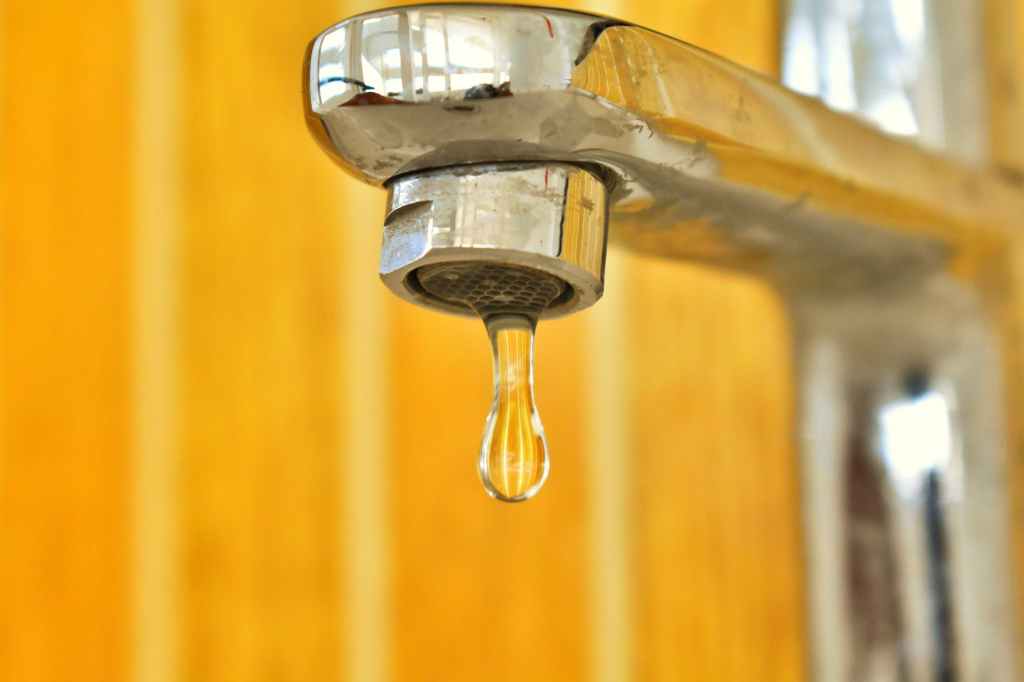
    A leaky tap
    Photo by Nithin PA on Pexels.com

    Now, before you say those values are just an estimate and overhyped, remember that one time you had a leaky tap that refused to close properly, and you left a container at the tap. Remember, you came back to an overflowing container only after a few hours. Now, estimate the number of thousands of households that have the same leaky tap or ill-fitting pipe connection. Does that figure look realistic now?

    Water treatments vary in cost and could be affordable to very expensive, depending on the treatment technique employed, the quality of the influent, and the expected effluent. These leaks not only reduce available freshwater, bringing about water scarcity, but also mean lost revenue used in treating the water. If the leak involved untreated wastewater, it means a reduction in available freshwater due to contamination of existing available water. Either way, it is a loss. A loss we can’t afford for the sake of our future generations.

    When the subject of water scarcity is mentioned, we often think of climate change, water pollution, and overconsumption as discussed in an earlier post, “Are we running out of water?” Leakages, however minimal, increase the risk for water scarcity in an area.

    Water scarcity aside, as long as water can flow out, contaminants can flow in. When a pipe loses pressure due to leakage, dirty water from surrounding soil, drains, or sewage can be drawn inside the pipeline network. This creates a pathway for bacteria, viruses, and chemicals, increasing the risk of contamination or waterborne diseases from consuming such water.

    It always starts out as a little leakage, but if untreated, the leakage gets bigger due to pressure fluctuations around the leakage. Burst pipes damage roads and pavements, resulting in costly emergency repairs and traffic disruptions.

    Can We Ever Eliminate Leaks Entirely?

    The simple answer is no – achieving zero leakage in any large water distribution system is practically impossible. Water pipes are buried underground, exposed to soil movement, traffic vibrations, ageing materials, and fluctuating pressure.

    Instead of striving for the unrealistic goal of zero loss, let’s set performance benchmarks. As soon as these leakages are noticed, they should be dealt with so they don’t become bigger problems later on. Leakages are often due to ageing pipes, delayed maintenance, and limited monitoring technology.

    Locating and repairing every tiny leak is extremely expensive and, in some cases, requires more resources than the water saved. This is why it is important to focus on essential repairs – controlling leaks to a point where water loss, cost of repairs, and service reliability are kept in balance.

    Solutions and Innovations

    While leaks may never be completely eliminated, they can be significantly reduced through smarter strategies, technology, and community action. Some preventive and innovative approaches to keep precious water from slipping away include:

    1. Preventive Maintenance and Pipe Replacement: Much of the leakage problem stems from ageing infrastructure. Pipes that are decades old are more likely to crack, corrode, or burst under pressure. Rather than waiting for leaks to happen, routinely inspecting networks, replacing ageing sections, and upgrading weak materials helps reduce water wastage and ensures long-term reliability.
    2. Smart Water Management: Sensors, IoT, and AI: In our day and time, technology is at the forefront of every activity. Acoustic sensors can listen for the faint sound of water escaping underground. IoT-enabled meters provide real-time data on flow rates, making it easier to pinpoint unusual losses. AI-driven systems that analyse patterns across vast networks, predicting where leaks are most likely to occur. These innovations save both time and money by finding hidden leaks that would otherwise go unnoticed for years.
    3. Pressure Management: Having high pressure at the tap feels good, but it wreaks havoc on older pipes. The constant pressure strains within the pipe result in leakages within the pipeline network.
    4. Community Reporting and Awareness: People are always the first to notice that leaky pipe or tap, the soggy soil, or wet pavement due to leakages. Encouraging residents to report leaks allows for them to be fixed quickly. Public awareness campaigns also remind people that water lost in leaks is still water wasted.

    Conclusion

    At first glance, a little drip here or a minor crack there might not seem like much. But when multiplied across thousands of kilometers of pipelines, those “small leaks” turn into millions of litres of clean, treated water lost every single day. In a world already grappling with water scarcity, this is a hidden drain we cannot afford to ignore. Tackling leakage is just as important as turning off the tap while brushing your teeth or reusing water at home.

  • Water Supply

    Water Supply

    Water supply is the provision of water to an end-user by a body (public or private system) or an individual via a system of pumps and pipes. Water supply simply refers to the provision of water to meet a specific demand.

    Water is supplied from a source via an intake medium, transported to a treatment plant via an abstraction medium, and delivered to end users via a pipe network.

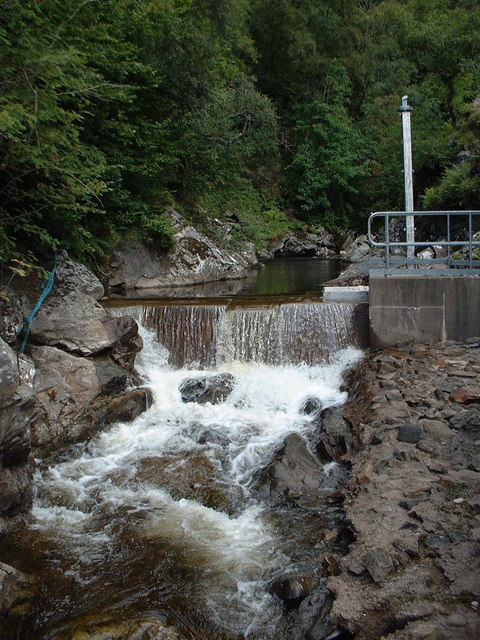
    Water supply intake on Allt Girnaig by Russel Wills is licensed under CC-BY-SA 2.0

    Sources of water

    Major sources of water include

    1. Rainwater – Rainwater harvesting is an excellent source of water. Due to its reaction with gases in the atmosphere, it may be acidic in nature. Roof gutters are commonly used to collect rainwater. The medium used to collect rainwater has an effect on its quality.
    2. Surface water – Surface water is defined as any water that is found on the earth’s surface. Surface water is commonly found in seas, oceans, and springs. Because surface water is prone to pollution due to its location on the earth’s surface, it necessitates stringent treatment procedures.
    3. Groundwater – Groundwater is any water obtained beneath the earth’s surface. Groundwater may be considered pure water in and of itself, but it can be easily contaminated by minerals or pollutants in the surrounding soil.
    4. Reclaimed water – Reclaimed water is wastewater that has been treated. Wastewater treatment is performed based on the intended use of the reclaimed water. The technique used to treat wastewater determines the quality of reclaimed water.
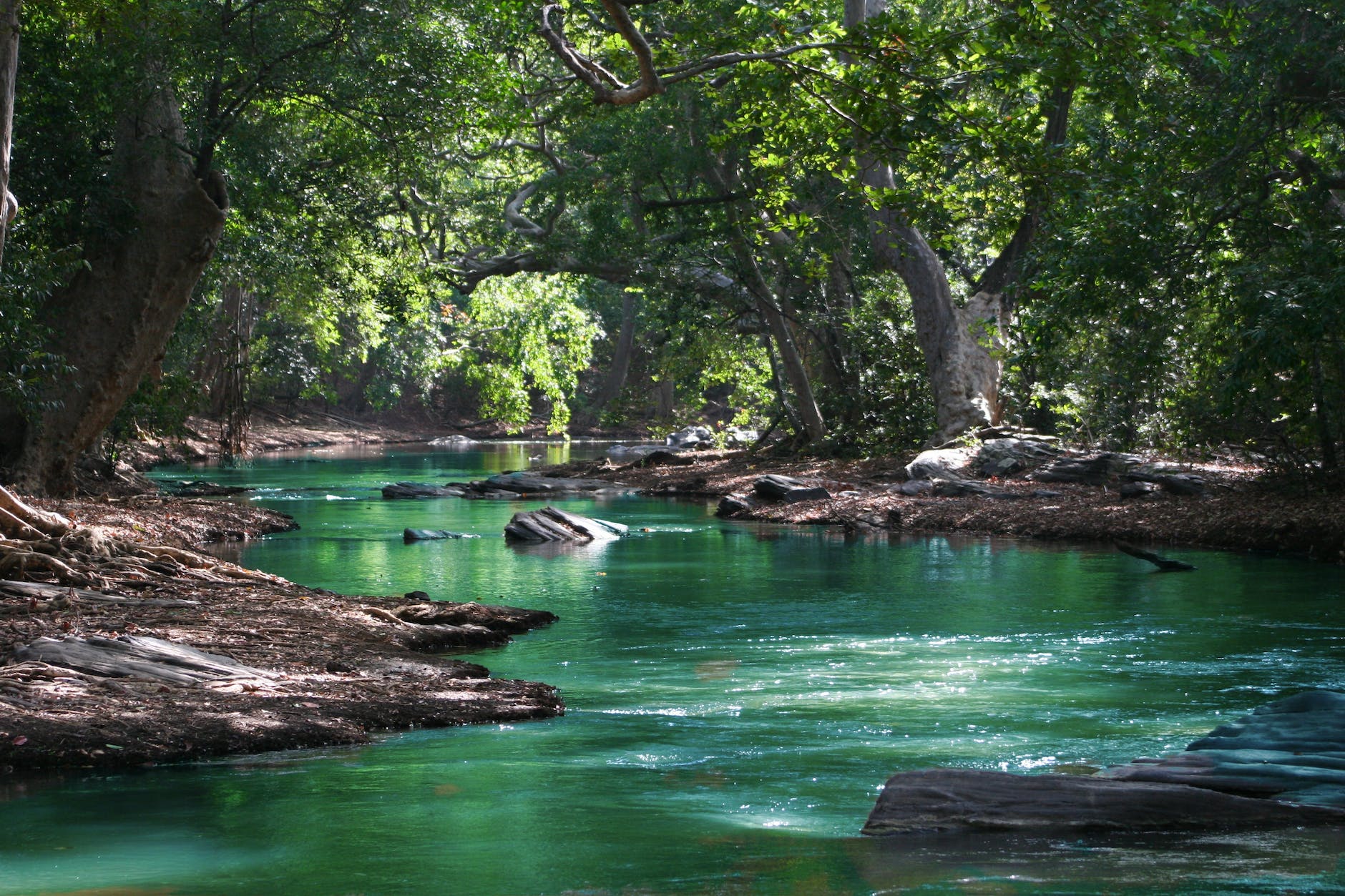
    Surface water. Source: Photo by Ian Turnell on Pexels.com
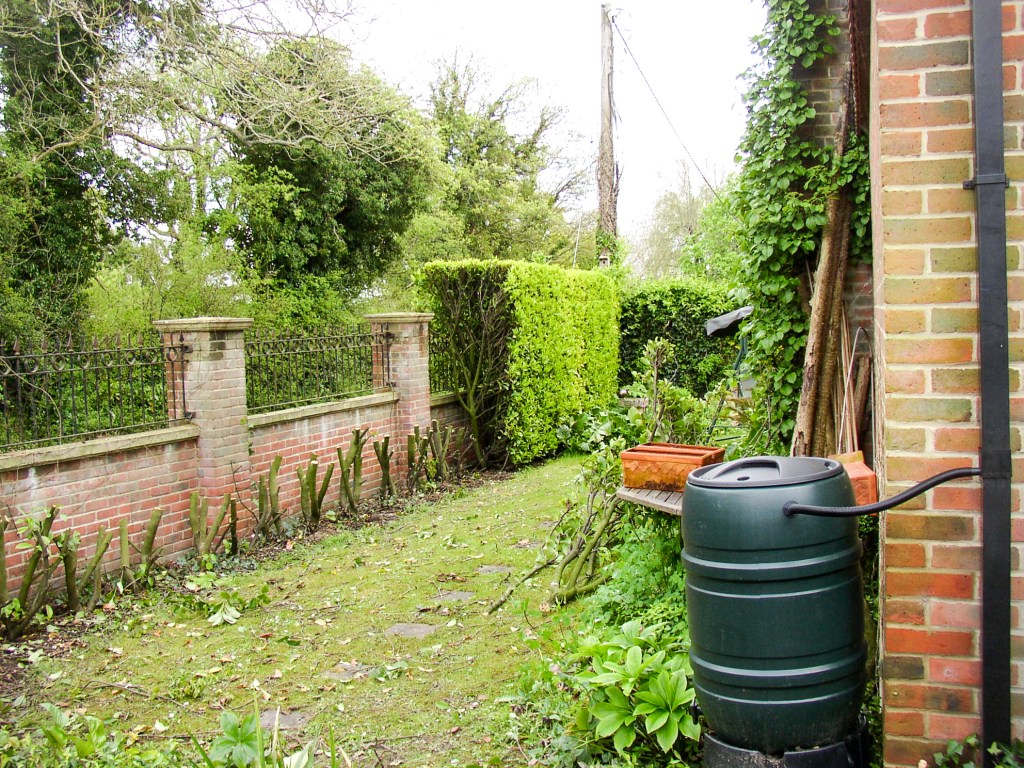
    Rainwater harvesting. Source: Housemove Pro

    Types of intake

    The different types include

    1. Well
    2. Borehole
    3. Roof gutters
    4. Spring
    5. River intake

    Water is scarce in nature and thus cannot be abundantly generated. The demand for water rises in tandem with the increase in population. To meet the increased demand for water, more water sources must be sought. Aside from looking for new water sources, reducing water demand and doing the following can help to ensure a steady supply of water.

    1. Turn off the tap when not in use like while brushing or gathering food ingredients to be cleaned.
    2. Use a bowl or basin to clean your fruits or ingredients instead of running water.
    3. Fill your kettle with the amount of water needed alone.
    4. Reducing your shower time.
    5. Fixing a leaking tap as soon as it is noticed.
    6. Replacing a burst pipe as soon as possible.
    7. Recycling wastewater for non-portable purposes.
    8. Rather than running the sink while shaving, use a container or half-filled sink.
    9. Use a washing machine only when it is filled.
    10. Re-use water as much as possible.

    Conclusion

    The provision of water to meet a need is known as water supply. A body (public or private) or an individual supplies water to an end-user via a network of pipes.

    Water is supplied from a source via an intake medium, transported to a treatment plant via an abstraction medium, and delivered to end users via a pipe network.

    The primary water sources are rainwater, surface water, groundwater, and reclaimed water. Water is collected from the source (for example, rainwater) using various intake mediums (for example, rain gutters) and transported to a treatment plant via an abstraction medium (the collection bowl or tank).

    Using multiple water sources allows for a continuous water supply. The rise in population is the primary cause of the rise in water demand. Using water-saving techniques and having more than one source of water ensures a steady supply of water.

  • Hydraulic Structures

    Hydraulic Structures

    Hydraulic structures are structures that are submerged in water completely or partially. They could be used to transport water, store water, or restrict the flow of water. In other words, hydraulic structures influence the natural flow of water.

    A hydraulic flow meter can be used to measure the flow of water in hydraulic structures. It measures the rate at which water flows through hydraulic structures. To determine the flow rate, the hydraulic flow gauge should be placed at any point along the hydraulic grade.

    One of the questions posed during the planning stage of any construction project is, “Where is the water path?” Knowing the water path, the purpose of the hydraulic structure, the area’s topography, and the volume of water for the proposed construction area provide a basic understanding of the type of proposed hydraulic structure to be used.

    Understanding the topography of the construction area and acting according to it or using it to one’s advantage eases the stress of construction even when there is a well-written out plan for the type of hydraulic structure to be erected. For example, if a storage dam is to be built along a river with a steep slope, building a coffer dam first eases construction because there will be little to no water in the construction area. Depending on how it is built, the coffer dam can easily be converted to a debris dam to trap dirt after construction.

    Figure 1: A view of a dam from the spillway. Source: Flickr.

    Types of hydraulic structures

    Hydraulic structures include:

    1. Dam
    2. Culvert
    3. Bridge
    4. Drains
    5. Weirs

    Dams

    Dams are built to regulate the flow of water. Dams could be used to alleviate flooding by retaining water and reducing the amount of water that flows downstream. The water stored in the dam’s reservoir could also be used to irrigate during times of scarcity.

    Dams are classified according to their purpose, design, and structure. Dams classified according to their purpose, include:

    1. Storage dam is the most common type of dam. It is used to collect rainwater and store it for use when there is a low amount of rainfall. The stored water can be used for irrigation or to generate electricity.
    2. Diversion dams are also known as weirs. They divert water from its natural course into farms for irrigation.
    3. Detention dams are primarily used for flood control. It is usually built downstream, but to ensure its effectiveness, it is sometimes built at various points along the river to properly retain the water. It retains water during flash floods and releases it at a controlled rate after the flood to protect the downstream.
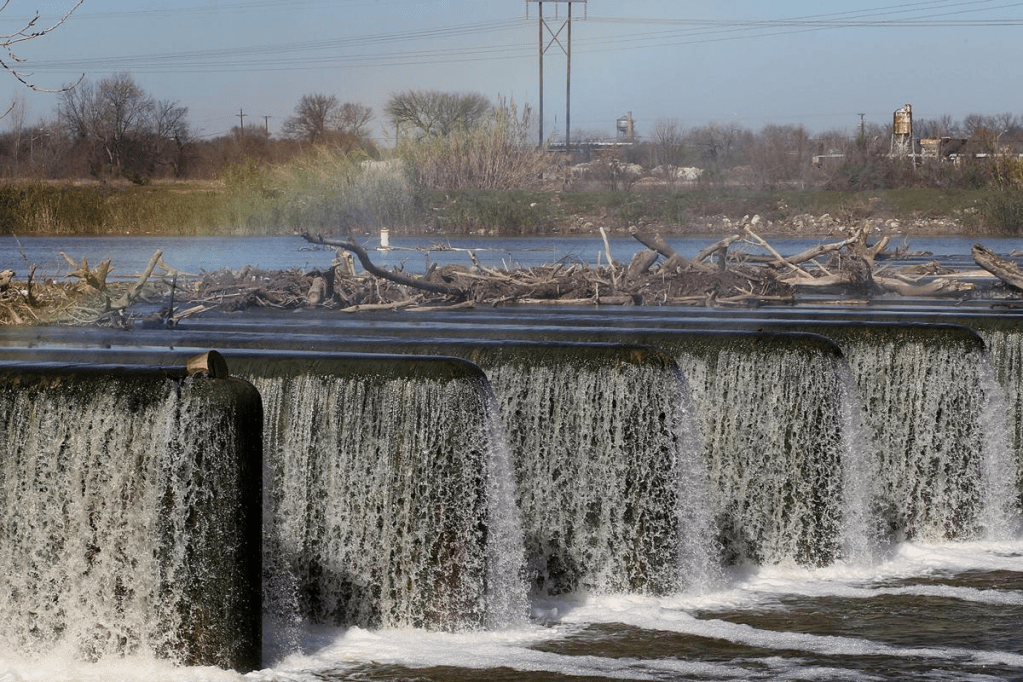
    4. Debris dams are typically built near storage dams to reduce the number of impurities in the water entering the storage dam.
    5. Coffer dams are temporary dams built to hold water while a primary dam is being built. After the primary dam is built, it is either converted into a debris dam or demolished.
    Figure 2: A debris dam trapping wooden debris. Source: Waco Tribune-Herald

    Culverts and bridges

    Culverts and bridges perform similar functions in that they both provide transportation over a body of water. Bridges are used not only over bodies of water but also when there is a deep valley between two mountains.

    Bridges are typically built with precast members. Culverts are typically cast on-site, but they can also be precast and assembled on-site. Bridges generally require more time to plan and build and hence can’t have rushed construction work. Bridge construction is also less economical because it requires more time and technical personnel.

    Because bridges and culverts are so similar, the purpose of the hydraulic structure and a variety of other factors are considered before deciding whether to build a bridge or a culvert. The properties of the construction site are usually used as a final determinant for the type of hydraulic structure.

    For example, why would you build a culvert in place of a bridge, or vice versa? Can you provide an explanation for your decision? Let’s use this as an example. A stream runs through a proposed road construction site. The depth to the river bed is 7m. The stream is 8 meters wide and has vegetation planted along its path. During rainy seasons, the river has an 85% chance of overflowing its banks. A manufacturing company is to the right upstream, and a secondary school and a church are to the right and left, respectively, downstream. It’s June, and we’re planning to start building in the next two weeks. Do we build a bridge or a culvert?

    If the depth to the river bed is greater than 6m, a bridge should be considered. If there is so much unsuitable material at the river’s bed, a bridge may be a better option. Consider using a culvert if there is an easy way to divert the water. If there is a lot of water, a bridge is a better option.

    If you do decide on a culvert, there are guidelines for selecting a specific type of culvert. A pipe culvert, a box culvert, a pipe-arch culvert, or any other type of culvert could be used.

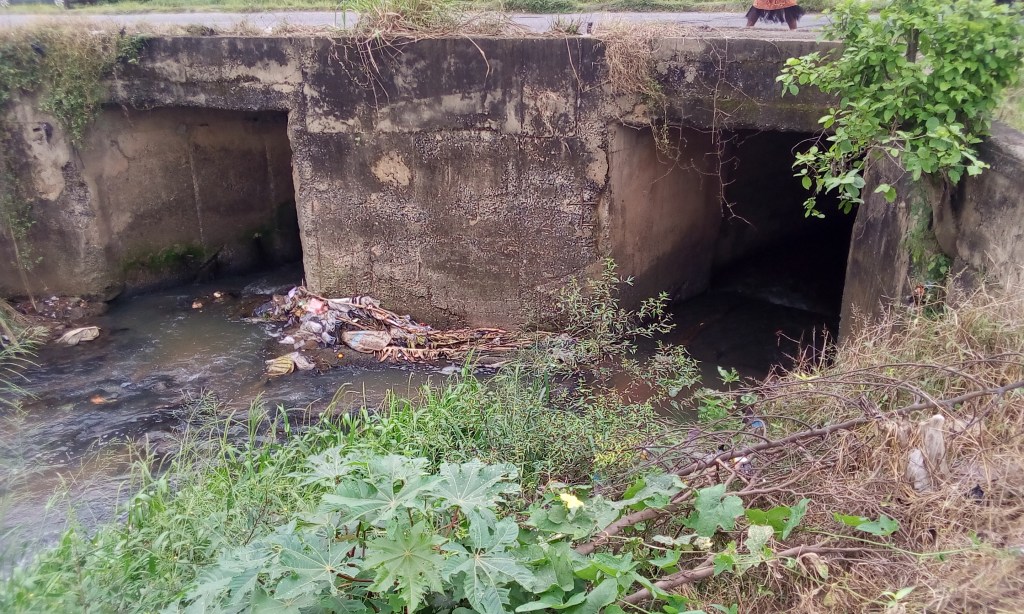
    Figure 3: Orogun box culvert at Orogun, Ibadan, Nigeria.

    Drains

    Drains are hydraulic structures that remove excess water from the earth’s surface or subsurface. Surface water is collected, removed, and disposed of by road drains (or stormwater drains). Road construction is only considered fully completed when there is a road drain. Road drainage systems ensure that no or a small amount of water remains on the road. This helps to ensure the road’s stability and durability, as structures that are constantly exposed to water are more prone to deterioration.

    Drains could be opened or closed. A drain should be kept closed for safety reasons. A closed drain is an example of a pipe drain. Having drains around keeps the area dry. A city should have an adequate drainage system. When it is insufficient (cannot carry the amount of water coming into it) or inadequate (in number and networking), the city is at risk of flooding.

    Drains not only remove stormwater from roads, but they can also transport wastewater to treatment plants, treated water to consumers, and much more. Normally, wastewater drains are closed (with only an entry and exit)

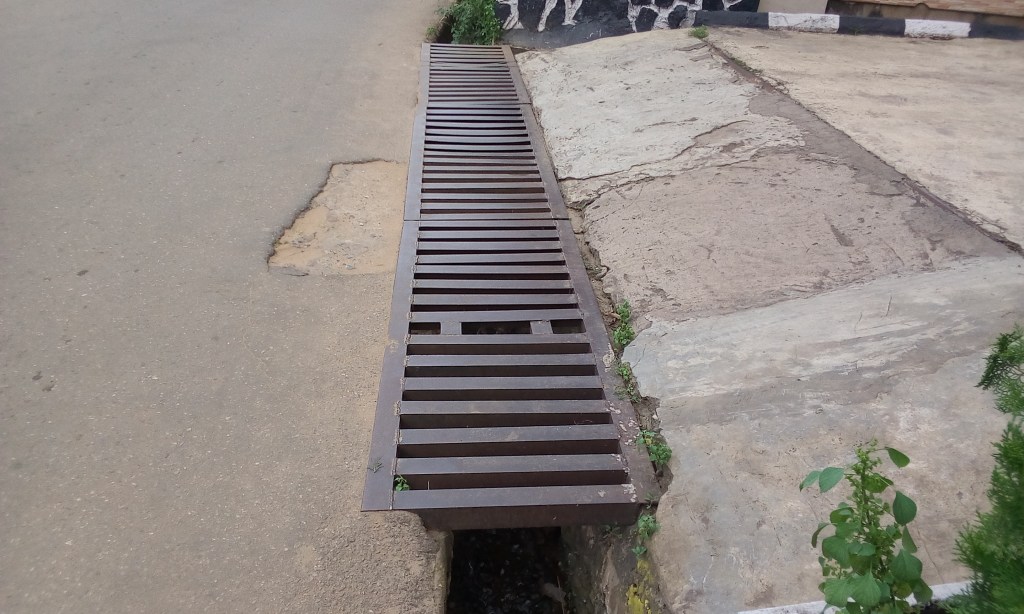
    Figure 4: A road drainage along Orogun road, Ibadan, Nigeria.

    Conclusion

    Hydraulic structures influence the natural flow of water. The flow of water can also be measured in hydraulic structures using a hydraulic flow meter.

    Understanding the water path, the purpose of the hydraulic structure, the topography of the area, and the volume of water in the area provides a foundation for determining the type of hydraulic structure that should be used.

    Dams are built to restrict the flow of water and are primarily used to address flooding and water scarcity issues. It can also be used for energy generation and recreation. Dams are classified according to their purpose, design, and structure. Dams are classified into storage, diversion, detention, debris, and coffer dams based on their purpose.

    Bridges and culverts have similarities and advantages over one another. A basic understanding of the nature of the construction site aids in the selection of the ideal hydraulic structure. Choosing the appropriate hydraulic structure aids in the adequate conveyance of water while reducing the risk of flooding.

    Hydraulic structures are an essential component of the environment. Hydraulic structures, whether natural or man-made, help to manage water bodies and reduce the likelihood of flooding when they are well-networked.

Design a site like this with WordPress.com
Get started