Hazardous wastes are wastes that could cause harm to life when disposed of improperly. Hazardous wastes can readily catch fire under standard conditions, like oil-based paints or gasoline. They can be corrosive, reactive and toxic when ingested on there is close contact. Imagine a can of spray paint or insecticide when thrown into a burning fire – it explodes. Those are hazardous wastes that require careful handling to protect life and the environment.

Hazardous wastes aren’t just found in industries or commercial buildings; they are everywhere. About 13 tons of hazardous waste is generated every second. From households to the streets, schools, and factories – they are everywhere. Hazardous wastes could be:
- Household hazardous waste. It could be hard to think of hazardous waste lying around in our homes. However, the cleaning agents used on clean-up days to the can of insecticides used to keep our homes bug free to the batteries in the remote and wall clocks, they are all hazardous wastes. When disposed with regular waste to landfills, they can release heavy metals, corrode, or cause an ignition. These items should be collected separately and disposed of appropriately.
- Industrial hazardous waste. A significant amount of hazardous waste is generated from industries. Manufacturing industries generate hazardous by-products during their production processes that require advanced treatment. Industries such as mining, pharmaceuticals, and manufacturing generate large amounts of hazardous waste. For every kilo of pill generated in the pharmaceuticals industry, 100 kilos of emissions and waste are generated.
- Medical waste (biohazards). Waste generated from hospitals is 15% biohazard. These wastes – used syringes, lab cultures, expired medicine, and blood-stained bandages – could be reactive, infectious or flammable. An estimate of 16 billion injections are administered yearly, worldwide, of which not all are properly disposed. Medical waste should be segregated at the source, placed in clearly marked containers, and treated through processes like incineration or autoclaving before disposal to prevent health hazards.
- E-waste. E-waste is one of the fastest-growing categories of hazardous waste worldwide. Old phones, laptops, televisions, and other appliances might look like junk, but they contain heavy metals like cadmium, lead which could leach into the environment if not disposed of properly. Resources – gold, copper, and silver – which are found in many devices can be recovered and reused, and it reduces E-waste is one of the fastest-growing categories of hazardous waste worldwide. Old phones, laptops, televisions, and appliances might look like junk, but they contain harmful substances like cadmium, lead, and flame-retardant chemicals. If not properly recycled, these toxins can leak into the environment. At the same time, e-waste is also a valuable resource—many devices contain precious metals like gold, copper, and silver that can be recovered and reused. This is why proper e-waste recycling is so important: it reduces environmental harm while creating opportunities for resource recovery.
Hazardous wastes separated at the source and labelled have a higher possibility of being treated and disposed of properly. In countries like Nigeria, where formal recycling centers are scarce and hazardous waste disposal systems are often inadequate, individuals and communities have a big role to play in protecting the environment. While it might seem like one person’s actions don’t make much of a difference, collective effort can drastically reduce the amount of dangerous waste ending up in open dumps, water bodies, or farmlands. Practical steps to prevent hazardous waste in the environment include:
- Minimize Hazardous Waste Generation. The best way to manage hazardous waste is to reduce how much you produce in the first place. Reducing demand for hazardous products means less risk of them ending up in the environment. Consider:
- Choosing rechargeable batteries instead of disposable ones.
- Buying only the amount of paint, cleaning chemicals, or pesticides you need—so you don’t end up with leftovers.
- Opting for eco-friendly alternatives when available, such as biodegradable cleaning agents.
- Store Hazardous Waste Safely Until Proper Disposal is Possible. If there are no recycling or collection facilities nearby, don’t throw hazardous waste into the regular dustbin or burn it in open air (which releases toxic fumes). Instead:
- Keep used batteries, bulbs, and small electronics in a separate container.
- Label containers clearly to avoid mixing with household trash. Store them in a cool, dry place, away from children and pets, until you can access a safe disposal channel (such as a community drop-off event, NGO collection drive, or when travelling to a city with facilities).
- Donate or Repurpose Usable Electronics. Before discarding old electronics, consider whether they can still be useful. Many communities, schools, or repair shops can reuse or refurbish old phones, laptops, or appliances. Extending the lifespan of electronics reduces the immediate waste burden and delays the risk of hazardous materials leaking into the environment.
- Never Burn or Dump Hazardous Waste in Waterways. In many places, people burn old wires, plastics, or electronic boards to recover metals, or they throw used batteries into gutters and rivers. These practices are extremely dangerous: they release toxic fumes and contaminate water sources. Spreading awareness within your household and community about these dangers is one of the most effective forms of prevention.
- Support and Advocate for Better Systems. While individual action matters, long-term change requires better infrastructure and policies. Supporting local initiatives, speaking up at community meetings, or even encouraging schools to set up e-waste collection bins can push authorities and businesses to provide safer disposal options.
Hazardous waste is not just an abstract environmental issue—it has direct and often devastating effects on human health, ecosystems, and communities. When these materials are mismanaged, the consequences can linger for generations. One of the most serious risks is water pollution. When batteries, chemicals, or e-waste are dumped in open landfills or near rivers, toxic substances like lead, mercury, and arsenic can leach into groundwater. Contaminated water has been linked to diseases such as kidney damage, developmental problems in children, and certain cancers.
Hazardous waste that seeps into soil doesn’t just stay underground—it affects food production. Crops grown in polluted soil can absorb heavy metals, which then enter the food chain. Farmers may notice stunted growth or reduced yields, while consumers face long-term health effects from eating contaminated food.
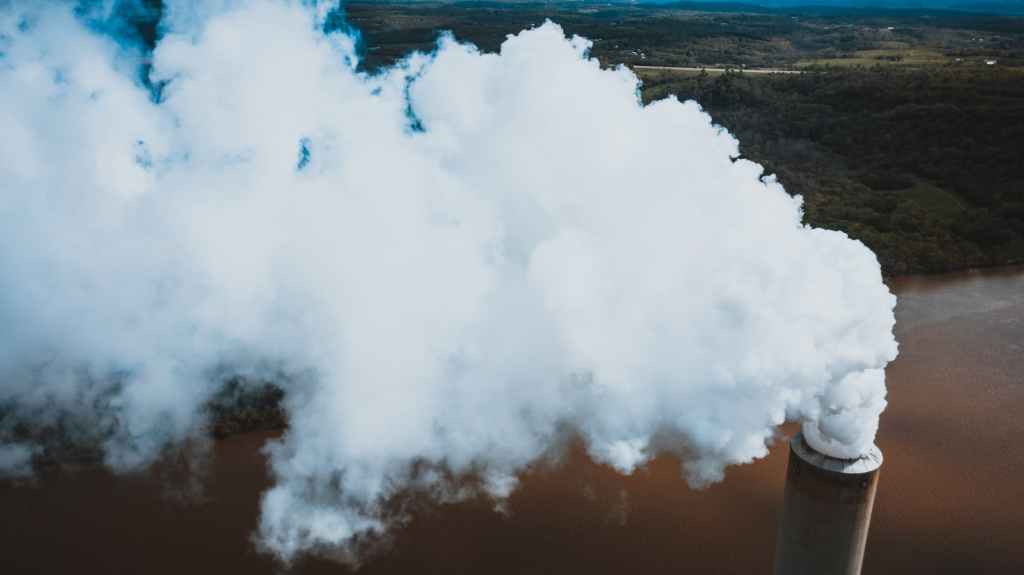
Open burning of hazardous waste, a common practice in many developing countries, releases clouds of toxic smoke. Burning plastics, wires, or medical waste produces dioxins and furans—chemicals known to cause respiratory diseases, skin disorders, and even cancer. For people living near dumpsites, breathing polluted air daily often leads to chronic coughs, asthma, and other long-term respiratory conditions. Children, in particular, are the most vulnerable.
Conclusion
It is important to manage hazardous waste properly, given its diverse types and composition and the significant risks it poses to human health and the environment. Improper handling of hazardous waste can lead to severe consequences, including soil and water contamination, air pollution, and long-term health issues like cancer or respiratory diseases. In areas with few recycling facilities, it is possible to manage and properly dispose of hazardous waste and that should be everyone’s priority.


 Jay water advisory