By Jay Water Advisory
Temi kept the roses for exactly nine days.
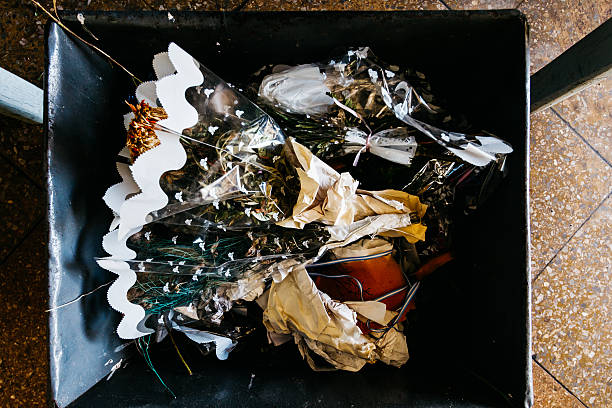
She had counted them—partly because they were beautiful, partly because her husband had gone out of his way to find the ones wrapped in the deep red cellophane with the silver ribbon. She placed them in a glass vase on her windowsill and watered them every morning. Then, on the tenth day, they drooped. The petals browned at the edges. She pulled them out, still wrapped in their plastic sleeve because she had never actually removed it, and dropped the whole thing into the bin outside.
All through that week and the next, her bin and the bins in her neighbourhood were overflowing.
What Happens After the 14th
Valentine’s Day is one of the most waste-intensive dates on the global calendar — and Nigeria is increasingly part of that story. As the holiday has grown in popularity across Lagos, Abuja, Port Harcourt, and beyond, so has the volume of packaging, flowers, balloons, and gift wrapping that follows it.
Globally, an estimated 144 to 145 million Valentine’s Day cards are exchanged every year, the majority of which are discarded within days. Cards with glitter, foil, or plastic embellishments cannot be recycled — they go straight to the landfill. In the UK alone, Valentine’s Day generates an additional 7,500 tonnes of plastic packaging from gifts alone — and the UK is a fraction of the global picture.
Flowers are the centrepiece of the problem. Industry estimates suggest that approximately 40% of all plastic used in the global flower trade is single-use — cellophane wrapping, plastic sleeves, foam holders, and plastic ribbons. In the days following Valentine’s Day, much of this makes its way not just to bins, but to open drains, gutters, and ultimately, waterways. In Nigerian cities where waste collection is inconsistent and drainage channels are already under stress. Valentine’s waste adds a concentrated seasonal load to systems that are already struggling.
Balloons deserve a particular mention. Released into the air, they travel far before deflating and falling — into rivers, lagoons, and coastal waters. Marine creatures and birds frequently mistake deflated balloons for food, ingesting them with fatal consequences. A balloon released in celebration on Lagos Island can end up in the Lagos Lagoon before the day is over.
The Connection to Water
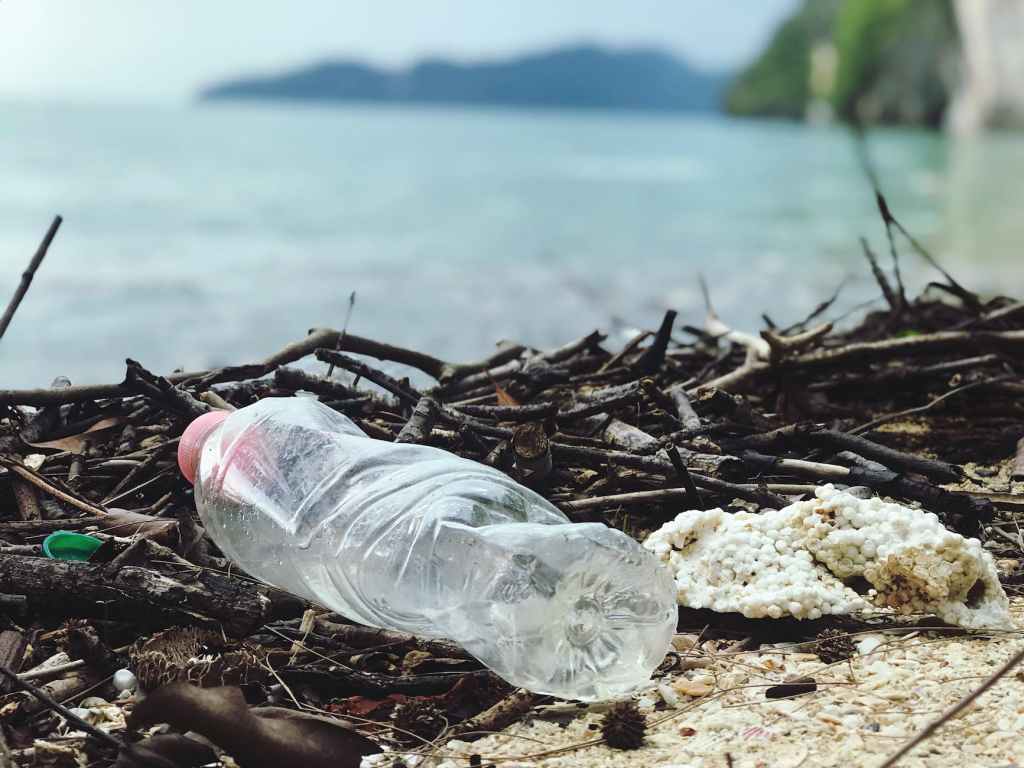
What makes Valentine’s waste specifically a water issue and not just a land issue is Nigeria’s geography and infrastructure reality. Open dumpsites receive over 30% of Lagos’s daily waste, much of which is located near waterways or drains directly into them during rainfall. Plastic packaging, synthetic ribbons, foil wrappers, and non-biodegradable gift materials that enter the waste stream after Valentine’s Day join this flow. By the first significant rain after February 14th, a portion of that waste is in the water.
This matters because Nigeria’s waterways are already under significant contamination pressure from industrial, agricultural, and domestic sources. Plastic in waterways blocks drainage, concentrates pollutants, harms aquatic life, and ultimately degrades the quality of water sources that communities depend on.
What You Can Do Differently
None of this means Valentine’s Day should be abandoned. It means it can be done more thoughtfully.
Give a potted plant instead of cut flowers. A living plant lasts far beyond nine days, produces no waste, and can be replanted or kept growing. It is also, for most people, a more meaningful gift than flowers that are already dying at the moment of purchase.
Skip the balloon release. A balloon in the sky is a balloon in the water within hours. If decoration is the goal, fabric bunting, fresh flower garlands, or candles achieve the same effect without the environmental consequence.
Remove and dispose of packaging separately. If you receive flowers wrapped in plastic, remove the wrapping before placing them in water and dispose of the plastic in a waste bin rather than discarding the whole thing together. Small habit, measurable difference.
Choose cards made from recycled or seed paper — or send a digital card. The sentiment is identical. The waste is not.
Opt for experiences over things. A dinner cooked together, a walk along the beach or through a park, a shared film — none of these generates packaging waste, and all of them, by most accounts, are remembered longer than a box of chocolates wrapped in foil and plastic.
A Last Thought on Temi’s Roses
The flowers were beautiful. The gesture was real. Neither of those things was the problem.
The problem was the plastic sleeve that never came off — that went from the florist’s shelf to the bin to the drain, contributing nothing to the romance and something to the waterway.
Love is not diminished by being thoughtful about how it is expressed. If anything, the effort of choosing differently — a potted rose instead of a cut one, a canvas tote instead of a cellophane bag, a homemade card instead of a glitter-coated one, says more about care than the conventional alternative ever could.
This Valentine’s Day, love your person. And go a little easier on the water.
Short, descriptive, story-led, and rooted in Nigerian context — exactly as requested. Ready to publish alongside your other February content. Shall we move on to anything else?
 Jay water advisory