By Jay Water Advisory
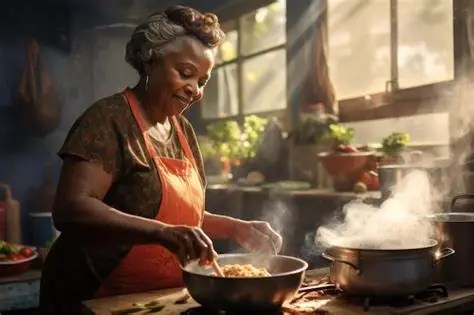
There was a pot in your grandmother’s kitchen that never really emptied.
Not because she was cooking constantly — but because nothing was wasted. The water used to wash rice went to the plants outside. The vegetable peels became feed for the chickens or went back into the soil. Leftover soup became the base for the next day’s stew. The tomato that was beginning to soften got cooked immediately, not thrown away.
She did not call any of this sustainability. She called it sense.
The Way Things Were
Think back to how Nigerian households ran a generation or two ago. The rubber bowl was washed, dried, and reused until it cracked and was not discarded after one use. Clothes were mended and passed down between siblings. The tin of Milo became a storage container for groundnuts. The old clay pot kept water cool without electricity. Food was bought in the right quantity for the week because there was no space — or budget — for excess.
This was not deprivation. It was intentionality. Every resource that came into the home had a full life before it left.
The environment did not ask to be protected in those households. It was protected anyway because waste was simply not a habit that made any sense.
What Changed
Somewhere along the way, convenience became the currency of modern Nigerian life. Sachet after sachet. Nylon bag after nylon bag. Single-use everything. Buy more, store less, throw away faster.
The market changed. Packaging arrived. Processed food replaced the pot of egusi that simmered for three hours because your grandmother had the patience and the knowledge to make it from scratch.
None of this happened out of malice. It happened because life got faster, cities got busier, and the old ways started to look like effort nobody had time for.
However, the cost has been real, affecting household budgets, the soil, waterways, and the air. The environmental burden of how modern Nigerian cities consume and discard is measurable and significant, with open burning of waste and excess consumption contributing directly to the air quality crisis in cities like Lagos.
What Grandmother Knew That Science Now Confirms
The practices that seemed like simple frugality turn out to be environmentally sophisticated.
Composting food scraps returns nutrients to soil and reduces landfill pressure. Reusing containers eliminates demand for single-use plastics of which 380 million tonnes are produced globally every year, with nearly half being single-use. Buying only what is needed reduces food waste, which accounts for 8–10% of global greenhouse gas emissions according to the UN Environment Programme. Cooking from scratch using whole ingredients produces a fraction of the packaging waste of processed equivalents.
Your grandmother was not an environmentalist. She was practical. And practical, in her generation, happened to align almost perfectly with what the planet needed.
Bringing It Back — Without Losing the Present
This is not a call to abandon modern life. It is a call to remember which parts of the old way were actually better — and to bring them back deliberately, one habit at a time.
Keep a bowl near the sink for vegetable peels — they can go into a simple compost setup or be given to any neighbour with a compound garden. Carry a bag to the market instead of collecting nylon. Cook slightly more and refrigerate the rest rather than ordering out every night. Reuse glass and plastic containers rather than immediately discarding them.
These are not grand gestures. They are the ordinary habits of a generation that lived more lightly on the earth without making a fuss about it. The most impactful environmental changes are rarely dramatic, they are the small, repeated choices that eventually stop feeling like choices at all.
This season of celebration and family gathering is also, quietly, a season for remembering. For sitting with older relatives and asking them how things were done. For noticing what wisdom lives in the simple routines of people who wasted nothing — because they understood, without ever being told, that what the earth gives must be treated with care.
Your grandmother knew. She just never needed to write it down.
 Jay water advisory