
Hydraulic structures are structures that are submerged in water completely or partially. They could be used to transport water, store water, or restrict the flow of water. In other words, hydraulic structures influence the natural flow of water.
A hydraulic flow meter can be used to measure the flow of water in hydraulic structures. It measures the rate at which water flows through hydraulic structures. To determine the flow rate, the hydraulic flow gauge should be placed at any point along the hydraulic grade.
One of the questions posed during the planning stage of any construction project is, “Where is the water path?” Knowing the water path, the purpose of the hydraulic structure, the area’s topography, and the volume of water for the proposed construction area provide a basic understanding of the type of proposed hydraulic structure to be used.
Understanding the topography of the construction area and acting according to it or using it to one’s advantage eases the stress of construction even when there is a well-written out plan for the type of hydraulic structure to be erected. For example, if a storage dam is to be built along a river with a steep slope, building a coffer dam first eases construction because there will be little to no water in the construction area. Depending on how it is built, the coffer dam can easily be converted to a debris dam to trap dirt after construction.

Types of hydraulic structures
Hydraulic structures include:
- Dam
- Culvert
- Bridge
- Drains
- Weirs
Dams
Dams are built to regulate the flow of water. Dams could be used to alleviate flooding by retaining water and reducing the amount of water that flows downstream. The water stored in the dam’s reservoir could also be used to irrigate during times of scarcity.
Dams are classified according to their purpose, design, and structure. Dams classified according to their purpose, include:
- Storage dam is the most common type of dam. It is used to collect rainwater and store it for use when there is a low amount of rainfall. The stored water can be used for irrigation or to generate electricity.
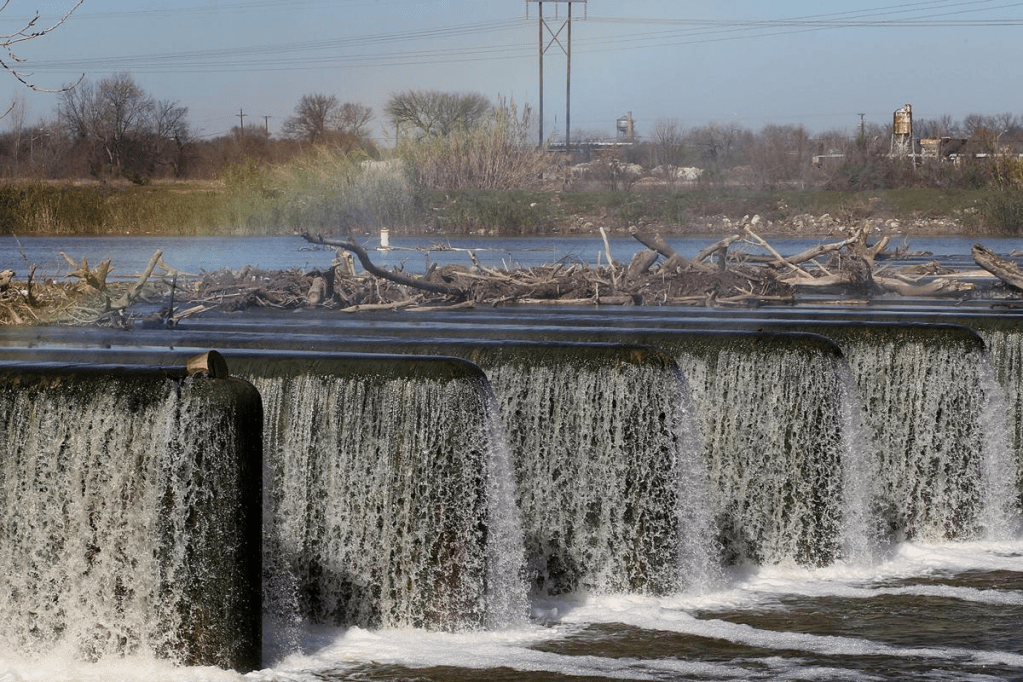
- Diversion dams are also known as weirs. They divert water from its natural course into farms for irrigation.
- Detention dams are primarily used for flood control. It is usually built downstream, but to ensure its effectiveness, it is sometimes built at various points along the river to properly retain the water. It retains water during flash floods and releases it at a controlled rate after the flood to protect the downstream.
- Debris dams are typically built near storage dams to reduce the number of impurities in the water entering the storage dam.
- Coffer dams are temporary dams built to hold water while a primary dam is being built. After the primary dam is built, it is either converted into a debris dam or demolished.
Culverts and bridges
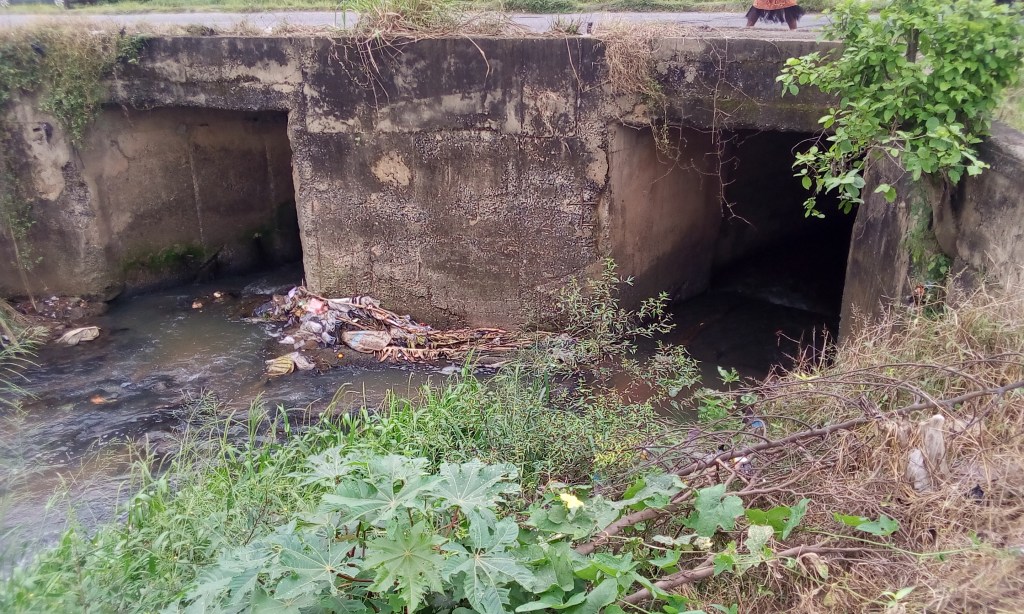
Culverts and bridges perform similar functions in that they both provide transportation over a body of water. Bridges are used not only over bodies of water but also when there is a deep valley between two mountains.
Bridges are typically built with precast members. Culverts are typically cast on-site, but they can also be precast and assembled on-site. Bridges generally require more time to plan and build and hence can’t have rushed construction work. Bridge construction is also less economical because it requires more time and technical personnel.
Because bridges and culverts are so similar, the purpose of the hydraulic structure and a variety of other factors are considered before deciding whether to build a bridge or a culvert. The properties of the construction site are usually used as a final determinant for the type of hydraulic structure.
For example, why would you build a culvert in place of a bridge, or vice versa? Can you provide an explanation for your decision? Let’s use this as an example. A stream runs through a proposed road construction site. The depth to the river bed is 7m. The stream is 8 meters wide and has vegetation planted along its path. During rainy seasons, the river has an 85% chance of overflowing its banks. A manufacturing company is to the right upstream, and a secondary school and a church are to the right and left, respectively, downstream. It’s June, and we’re planning to start building in the next two weeks. Do we build a bridge or a culvert?
If the depth to the river bed is greater than 6m, a bridge should be considered. If there is so much unsuitable material at the river’s bed, a bridge may be a better option. Consider using a culvert if there is an easy way to divert the water. If there is a lot of water, a bridge is a better option.
If you do decide on a culvert, there are guidelines for selecting a specific type of culvert. A pipe culvert, a box culvert, a pipe-arch culvert, or any other type of culvert could be used.
Drains
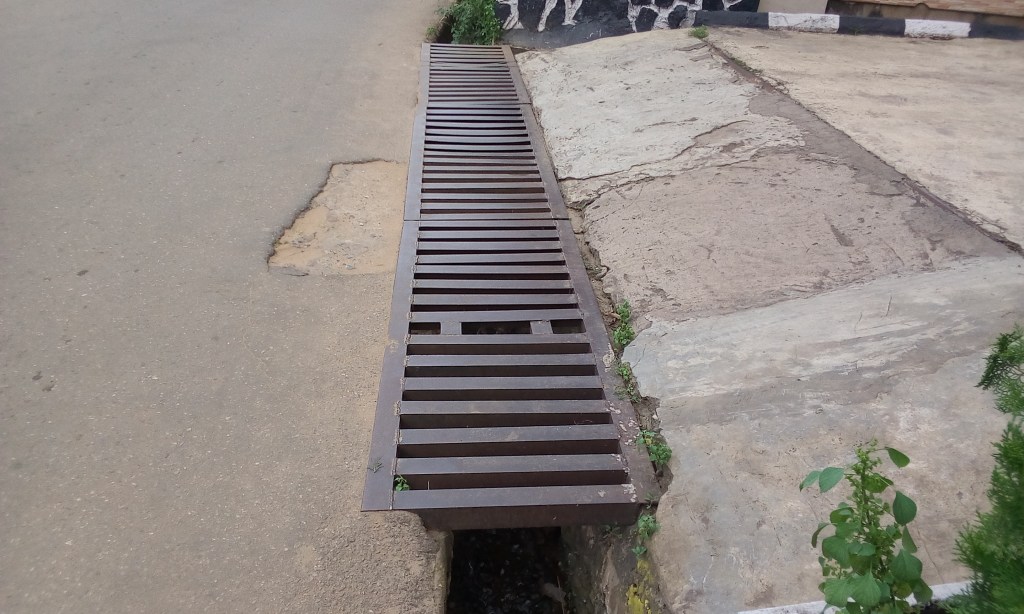
Drains are hydraulic structures that remove excess water from the earth’s surface or subsurface. Surface water is collected, removed, and disposed of by road drains (or stormwater drains). Road construction is only considered fully completed when there is a road drain. Road drainage systems ensure that no or a small amount of water remains on the road. This helps to ensure the road’s stability and durability, as structures that are constantly exposed to water are more prone to deterioration.
Drains could be opened or closed. A drain should be kept closed for safety reasons. A closed drain is an example of a pipe drain. Having drains around keeps the area dry. A city should have an adequate drainage system. When it is insufficient (cannot carry the amount of water coming into it) or inadequate (in number and networking), the city is at risk of flooding.
Drains not only remove stormwater from roads, but they can also transport wastewater to treatment plants, treated water to consumers, and much more. Normally, wastewater drains are closed (with only an entry and exit)
Conclusion
Hydraulic structures influence the natural flow of water. The flow of water can also be measured in hydraulic structures using a hydraulic flow meter.
Understanding the water path, the purpose of the hydraulic structure, the topography of the area, and the volume of water in the area provides a foundation for determining the type of hydraulic structure that should be used.
Dams are built to restrict the flow of water and are primarily used to address flooding and water scarcity issues. It can also be used for energy generation and recreation. Dams are classified according to their purpose, design, and structure. Dams are classified into storage, diversion, detention, debris, and coffer dams based on their purpose.
Bridges and culverts have similarities and advantages over one another. A basic understanding of the nature of the construction site aids in the selection of the ideal hydraulic structure. Choosing the appropriate hydraulic structure aids in the adequate conveyance of water while reducing the risk of flooding.
Hydraulic structures are an essential component of the environment. Hydraulic structures, whether natural or man-made, help to manage water bodies and reduce the likelihood of flooding when they are well-networked.


 Jay water advisory
Leave a reply to Augustine Sonde Cancel reply