
Air pollution is when harmful compounds enter the atmosphere and modify their properties and composition.
Air pollution endangers life on Earth and is caused mainly by the emission of toxic gases into the atmosphere. According to the World Health Organization (WHO), air pollution kills around seven million people worldwide.
Air pollution is caused majorly by the usage of energy and the manufacture of materials. One of the risk factors for climate change is air pollution.
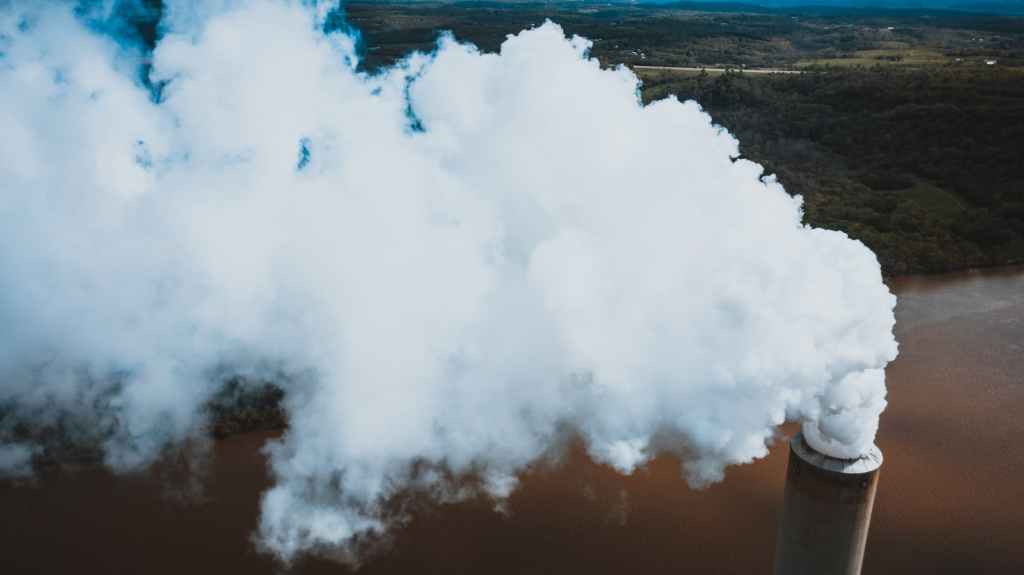
Types of air pollution
The United States Environmental Protection Agency US EPA has recognized six classes of air pollution. It includes the following
- Carbon monoxide
- Lead
- Nitrogen Oxides
- Ground-level ozone
- Particle pollution
- Sulfur oxides
Carbon monoxide
Carbon monoxide is an odourless and colourless gas. It is made up of one carbon molecule and one oxygen molecule. It is produced by the exhaust of fossil-fuel-powered motors.
When one breathes in the air with a high concentration of carbon monoxide, the amount of oxygen reaching the bloodstream is reduced because the oxygen is gradually replaced by carbon monoxide. Carbon monoxide poisoning can cause disorientation, headache, dizziness, nausea and weakness. In extreme cases, (unusually an enclosed area), it can result in unconsciousness and death.
Lead
Lead is frequently discharged into the atmosphere as a suspended particle. After some time in the air, lead is known to settle on the earth or ground. Lead is known to be persistent in the environment. This implies that lead can be breathed or consumed. Sources of lead include leaded aviation fuel, waste incinerators, and battery recycling.
Ingestion or inhalation of the lead causes rapid diffusion in the blood and absorption into the bones. Lead affects the renal function, reproductive system, cardiovascular system, and brain system in children, depending on the extent of exposure.
Nitrogen oxides
The majority of nitrogen oxides are generated during burning. Natural sources of nitrogen oxides include lightning strikes and microbiological activity in soils. Nitrogen oxides are a significant contributor to photochemical smog. The reddish-brown colour of photochemical haze is caused by nitrogen oxide.
Household appliances, such as gas stoves, are typical sources of nitrogen oxides. Excessive nitrogen oxide exposure (such as cooking on a gas burner in a poorly ventilated location) damages the respiratory system. Severe lung illnesses are caused by continuous and sustained exposure.
Ground level ozone
Because it is created by the interaction of nitrogen oxides and volatile organic molecules, ground-level ozone is classified as a secondary pollutant. Ground-level ozone is a significant contributor to photochemical smog.
Coughing and itching are symptoms of ground-level ozone exposure. It also makes taking a deep breath more difficult. Ground-level ozone reduces photosynthesis by interfering with the plant’s ability to breathe, resulting in a decrease in plant growth rate.
Particle pollution
Particle pollution, also known as particulate matter, is the presence of fine particles of solids or liquids in the air. Smoke, dust, and fog are examples of these. Laser cutting, chimneys, air fresheners, cars, stoves, and incense are all sources of particulate matter.
Particle pollution can impair lung function and even induce heart attacks. When smaller fragments are breathed in, they can enter the lungs and induce lung failure. Larger particles can irritate the eyes, nose, and throat.

Sulfur oxides
Sulfur oxides trigger acid rain and particle pollution. They might take the shape of solid particles, liquids, or gases. Sulfur oxide is prevalent in the atmosphere mostly as a result of human activity. Sulfur oxides can also be emitted into the environment naturally, such as by volcanoes. High amounts of sulfur oxides can be obtained by human activities such as the combustion of fossil fuels and the smelting of mineral ores.
Sulfur oxides cause plant leaves to deteriorate, slowing their development. The odour of sulfur oxides is stifling, and exposure can cause nasal discomfort, respiratory difficulties, and heart disease.
Tips to deal with Air pollution
With the rise of industries and vehicles on the road, the air remains polluted even when the air quality index is reported to be green. To protect yourself when air pollution occurs, you can do the following:
- Wear a nose mask when outdoors.
- Run an air purifier when indoors.
- Avoid outdoor workouts. You breathe in deeply and heavily when you work out which equates to inhaling more polluted air.
- Check daily air pollution levels to choose suitable days for outdoor activities. You can use IQAir to check for the air quality in your environment.
Ways to reduce air pollution
One of the most important strategies to minimize air pollution is to limit the amount and pace at which fossil fuels are used. Other methods for reducing air pollution include:
- Choose more environmentally friendly ways of transportation.
- You can opt for an electric vehicle in place of fuel-based vehicles.
- Walk short distances.
- Carpool when you are headed in the same direction as people.
- Use clean fuels and technologies such as biogas in cooking to reduce air pollution indoors.
- Avoid waste burning. Compost your waste instead. Use more recyclables.
Conclusion
When dangerous substances enter the atmosphere and change their characteristics and makeup, this is referred to as air pollution. Air pollution threatens life on Earth and is mostly caused by the release of poisonous gases into the atmosphere. Air pollution kills around seven million people globally, according to the World Health Organization (WHO).
Air pollution is caused mainly by human activities such as burning fossil fuels. It can also occur due to natural factors such as the eruption of volcanoes.
Pollutants in the air irritate the eyes, nose, and throat. When exposed to contaminated air for an extended period of time, they may damage respiratory functioning and induce heart failure.
Using clean cooking technologies, well-maintained automobiles, carpooling, and more environmentally friendly modes of transportation all help to slow the pace of increase in air pollution.
Using an air purifier indoors and a nose mask outdoors helps to reduce the risk of breathing in polluted air.


 Jay water advisory
Leave a comment