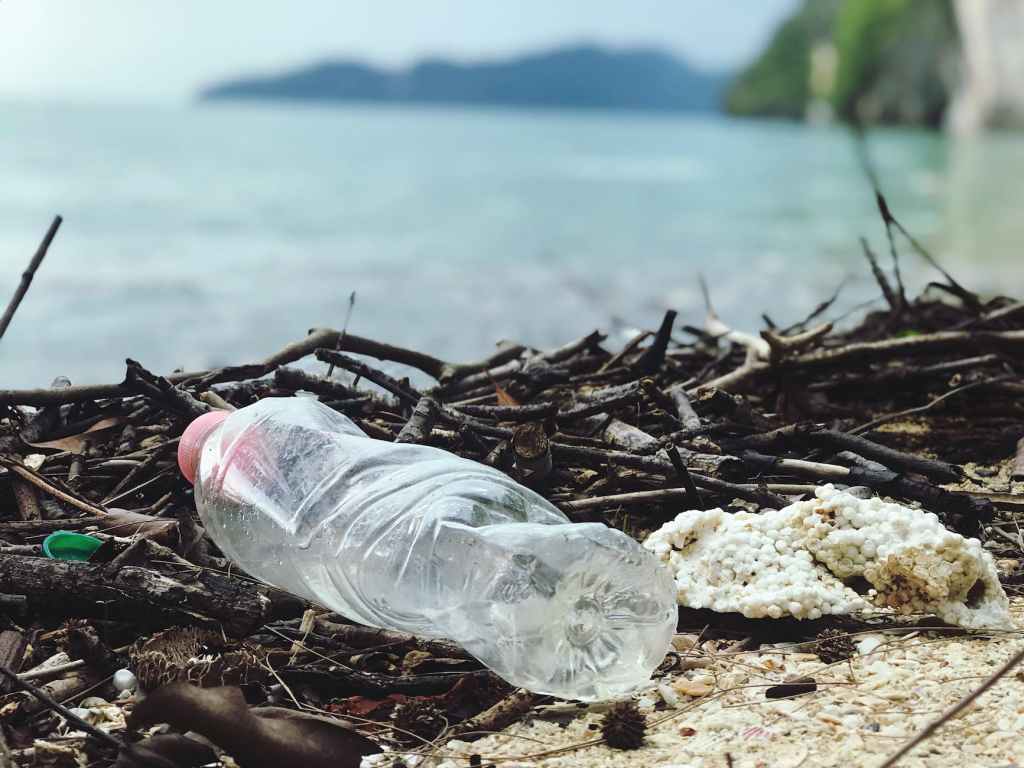
Plastics are a vast range of synthetic or semi-synthetic materials that are mostly composed of polymers. Plastics, due to their fluidity, may be formed into a variety of shapes and forms. This feature, along with others such as its lightweight, has contributed to the widespread usage of plastics.
Alexander Parkes exhibited the first plastics at the London International Exhibition in 1862. Plastics’ extensive use might be attributed to their fluidity, which allows them to be readily moulded, extruded, or pressed into solid things of various shapes. They are relatively less hazardous than other materials, have a lower production cost, and have no significant competitors.
Plastics are recognized to be non-biodegradable and so incapable of decomposition. Plastic may only be reused, recycled, or thrown away. Plastic pollution stems from unregulated plastic use. Plastics that are improperly disposed of are a nuisance to life on land and in water. Plastics, due to their properties, enter the seas and landfills and remain there for millions of years, occupying space and posing a hazard to aquatic life.
Common plastic disposal methods.
Appropriate plastic disposal may be costly, time-consuming, and needs specialized knowledge. The following is a list of common plastic disposal methods.
- Landfills. Plastic may be disposed of in landfills, but this can cause numerous issues. Landfills take up space, and in badly managed landfills, plastic trash can be blown into oceans and rivers. Plastics that are left in landfills may eventually decompose and emit toxins.
- Burning. Polymers are occasionally burnt in order to turn waste into another type of energy. Plastic trash incinerators, on the other hand, are costly to build and maintain. It is also a possible source of dangerous substances being released into the atmosphere. Plastics are often burned outside of incinerators in poor and undeveloped nations when there is no strategy to convert garbage to electricity. This method emits hazardous chemicals into the environment and should be avoided at all costs.
- Reuse. Certain plastics are reused several times before being discarded. It is estimated that reusing 10% of plastics will save nearly half of all plastic garbage from entering the ocean. Finding a means to reuse an object again and over again is the goal of reusing it. Instead of throwing it out, it might be recycled, upcycled, downcycled, or utilized as it is.
- Recycle. Plastic trash recycling normally entails sorting, cleaning, shredding, melting, and remoulding. As plastic is recycled, its quality degrades. When plastic is melted, the polymer chains are partly broken down, reducing tensile strength and viscosity and making it more difficult to process. Plastic can only be recycled a few times using this approach before it becomes unstable and unfit for use. As a result, chemical recycling of plastic is required. Plastic recycling is incredibly tricky, with just 9% of all plastic ever manufactured being recycled into new plastics.
- Upcycle. Upcycling transforms the material into something more valuable. Upcycling offers more value to a material than recycling.
- Chemical recycling This is the process of converting polymers back to the original source, petroleum. Chemical recycling decreases the usage of landfills since the recycled material may be utilized to manufacture new goods. This recovery procedure may be used to recycle practically any type of plastic material, even those with varied plastic compositions.
- Biodegradable plastics. Under the correct conditions, microbes may totally degrade biodegradable plastic into water, carbon dioxide, and compost. Renewable raw resources, microorganisms, petrochemicals, or mixtures of all three are often used to make biodegradable plastics. Biodegradable polymers are quickly replacing single-use plastics such as straws and cutlery. Today’s “bio-degradable” plastic bags, and cutlery on the other hand, do not degrade during standard composting and pollute other recyclable plastics.
Although plastics have become an integral part of life, we should:
- Do away with single-use plastics. For instance straw. If you must use a straw, go for stainless steel or glass straw.
- Give up gum. It is made with plastic (synthetic rubber).
- When storing foods, minimize the use of plastics. Switch to more sustainable materials such as jars or glass containers.
- Purchase in bulk. It saves on materials used for packaging.
- Use a glass or steel refillable bottle in place of plastic ones.
- Take a shopping bag with you when you shop.
- Make your own tea. Avoid using tea bags as they release about 11 billion microplastics into a single cup of tea. Instead, buy loose tea in bulk and use a tea infuser or strainer to make your tea.
Conclusion
Plastics are a vast range of synthetic or semi-synthetic materials composed of polymers. They are popular due to their fluidity, which allows them to be readily moulded, extruded, or pressed into solid things of various shapes.
Polymers are non-biodegradable and incapable of decomposition, so they can only be reused, recycled, or thrown away. Plastics are also a nuisance to life on land and in water, as they enter the seas and landfills and remain there for millions of years, occupying space and posing a hazard to aquatic life.
Landfills can take up space and can emit toxins, while plastic trash incinerators are costly to build and maintain. Reusing 10% of plastics is estimated to save nearly half of all plastic garbage from entering the ocean. Recycling, upcycling, downcycled, or utilized as it is a common way to reuse plastic. Upcycling transforms the material into something more valuable and offers more value to a material than recycling.
Chemical recycling is the process of converting polymers back to the original source, petroleum, and can be used to recycle practically any type of plastic material. Biodegradable plastics are quickly replacing single-use plastics but they do not degrade during standard composting and pollute other recyclable plastics.

 Jay water advisory
Leave a reply to Fowowe Akinsanmi Cancel reply