
Author: Jesutofunmi Aladekomo

  • Flood control

    Flood control

    Flooding can occur due to rainwater accumulation in an already saturated area, storm surges, or rapid melting of snow. Flooding is a common phenomenon in lowlands and floodplains, especially during rainy seasons, but it can occur anywhere. A snowmelt flood is a type of flood in which melted snow is the primary source of water.
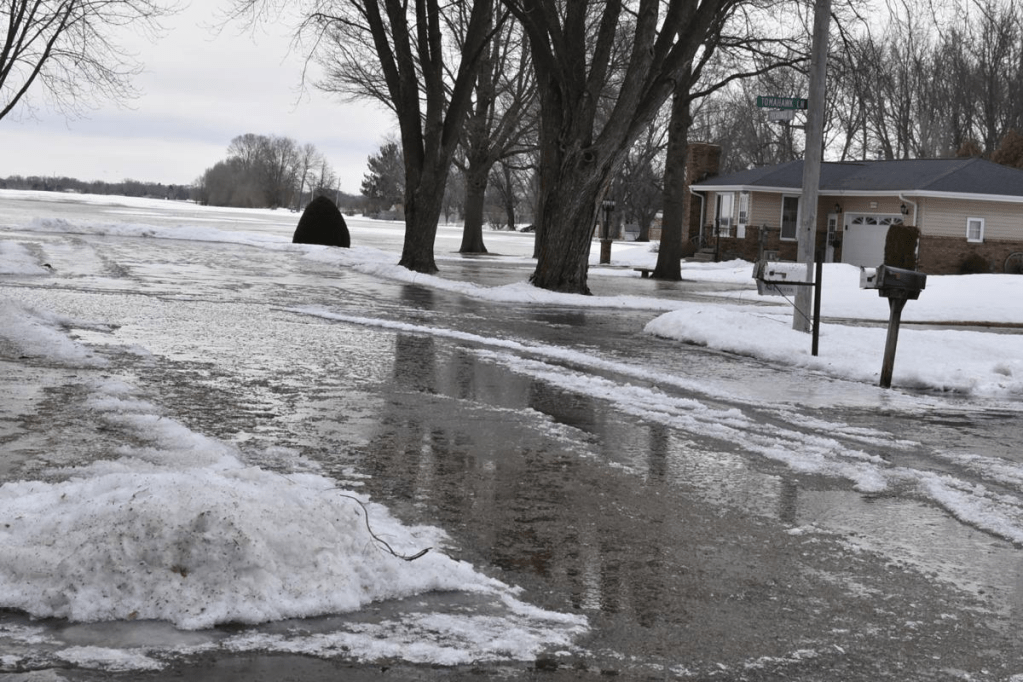
    Snowmelt flood. Source: Google.

    Types of flooding.

    1. Flash floods. This is usually associated with unexpected and heavy rain. It usually lasts less than 6 hours. It happens mainly because the amount of rainfall is greater than what the ground can handle in a given amount of time. Flash floods can also occur as a result of rapidly melting snow or a hurricane. This type of flood is a disaster flood because it involves a large volume of water moving at high velocity, easily sweeping anything in its path.
    2. River floods. This primarily impacts lowlands and floodplains. When it rains for an extended period of time, the amount of water in the river rises to the point where it overflows its banks. Planting trees along the river’s path and channelizing the river could reduce the likelihood of a river flood.
    3. Coastal floods. This is caused by a sudden increase in sea levels, such as during a storm surge. The seawater occupies normally dry ground around it.
    4. Groundwater flood. It is an elevation of the existing water table above the rock or soil beneath, causing water to flow to the ground surface. This is caused by constant rainfall. It may occur days to months after the rainfall has occurred.
    5. Drain and sewer flood. A blockage in the drainage system is the most common cause of a drain and sewer flood. It could also happen in the case of a combined sewer if there is heavy rain for an extended period of time.
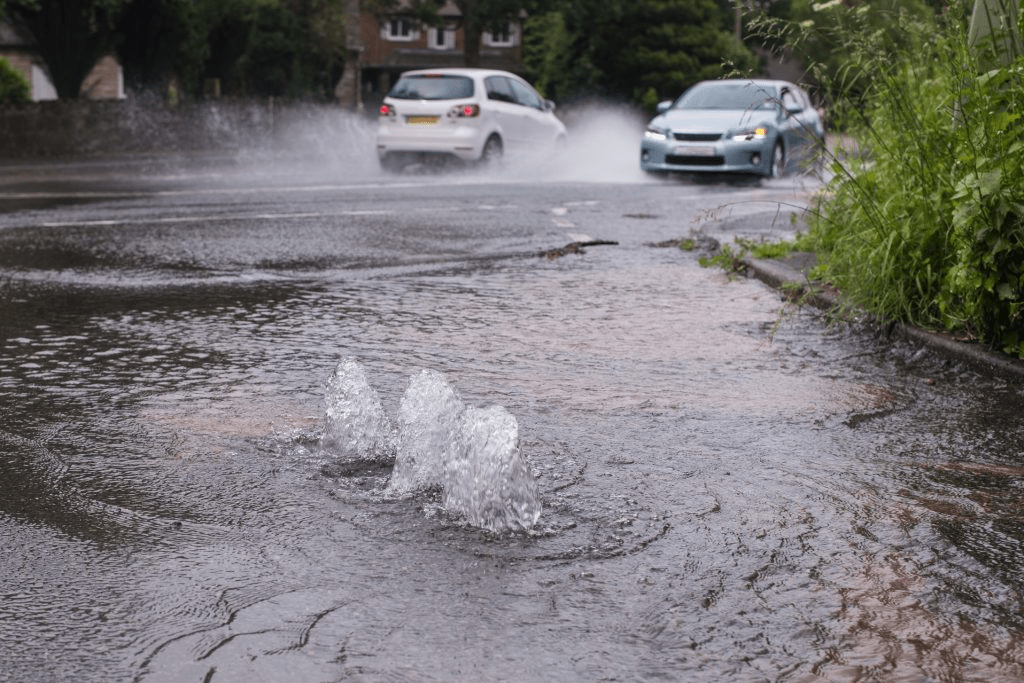
    Figure 2: Drain and sewer flood. Source: Drain and sewer services.

    Tips to reduce the probability of flooding

    Flooding can occur on any type of land. Although some areas are more prone to flooding than others, a combination of the following measures could reduce the risk or severity of flooding in an area.

    1. Having a functional drainage system or a clearly defined water path.
    2. Planting trees or other vegetation.
    3. Collecting rainwater from the roof and transferring it to the nearest drainage.
    4. When building a house, make sure the ground around it slopes away from it.
    5. Plants should be kept at least 1.5 meters away. Trees should be kept at least 5 meters away.
    6. Put a halt to indiscriminate waste disposal. Improperly disposed of waste always finds its way into drains and clogs them.
    7. As soon as possible, clear any clogged drains and repair any busted pipes in or around the house.
    8. In areas where groundwater flooding occurs, use a waterproof membrane before beginning any work to prevent water from rising continuously.
    9. Use a water repellent to coat the lower portion of the external walls to prevent water seepage.
    10. Keep outer drains at least 3m away from buildings.
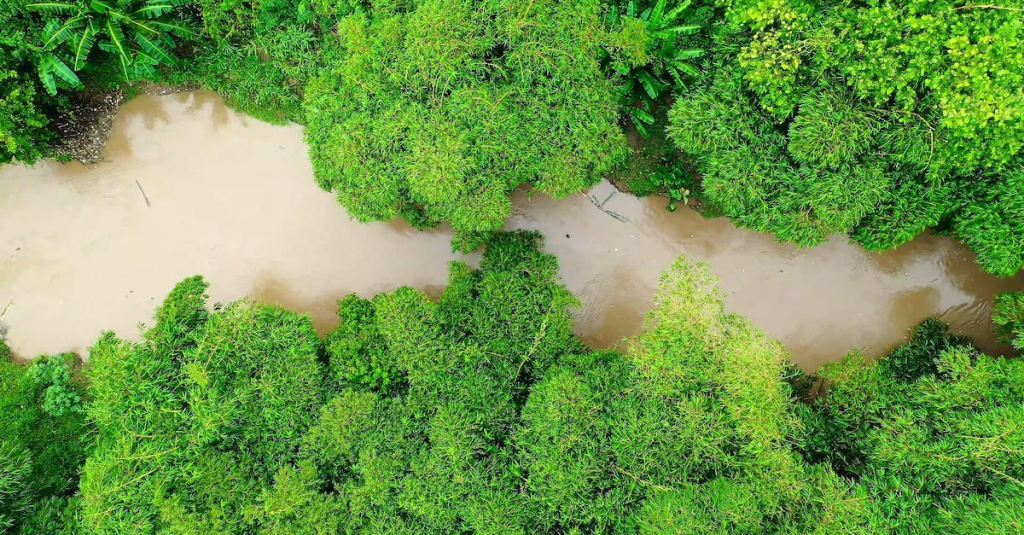
    Figure 3: Vegetation along the river path to reduce the risk of river flooding. Source: Google.
  • Water resources engineering and Environmental Engineering

    Water resources engineering and environmental engineering are two closely related engineering disciplines. During my final year of university, while pursuing my undergraduate degree, we were asked to select a major. Among the three options available, water resources engineering and environmental engineering were on the list and were classified as a single major. This was most likely done because the two disciplines are inextricably linked.

    It is said that all aspects of engineering are interconnected. Engineers from various disciplines are often required to collaborate to accomplish a common objective. In road construction, for example, a highway engineer is expected to design the road in collaboration with a transportation engineer who provides details about the vehicular traffic the road would be expected to carry and a hydraulics engineer who determines the best type of drainage such type of road requires.

    The road will be built by a contractor who is knowledgeable about highways, hydraulics, and transportation engineering. As a result, the details in the designed drawings can be properly implemented on site. A mechanical engineer and an electrical engineer work together to design and install the best type of road signs, street lights, and other fittings.

    The example mentioned above simply illustrates how every aspect of engineering is interconnected. In most schools (at least in Nigeria, where I studied), everyone is expected to study every aspect of Civil Engineering and certain aspects of other engineering courses at the beginning. To better understand water resources engineering and environmental engineering, we will first look at an overview of both types of engineering before delving deeper into the various aspects of both types of engineering in subsequent posts.

    Environmental Engineering

    Environmental engineering is a branch of civil engineering that focuses on protecting and preserving natural resources in the environment as well as the environment itself by reducing waste and contaminants in the environment while improving the existing condition of the environment.

    Environmental engineering provides solutions to environmental problems. It also improves life on land and in water by reducing or preventing environmental issues such as flooding.

    Engineering is known for solving problems by applying scientific and technological knowledge. Environmental engineering aims to provide continuous solutions to the following issues:

    • Air pollution
    • Water pollution
    • Soil pollution
    • Flood
    • Water scarcity
    • Waste disposal
    • Water supply

    Water resources engineering

    Water resources engineering is concerned with managing existing water resources and sourcing new ones. It requires a thorough understanding of how the hydrologic cycle works – the distribution and circulation of water.

    A water resources engineer is someone who is tasked with providing clean water for human consumption and removing the water once it has been used (wastewater treatment).

    Water resources engineering, like any other branch of engineering, has various aspects, which include:

    • Irrigation Engineering
    • Water and wastewater treatment Engineering
    • Flood control
    • Hydraulics engineering
    • River engineering

Design a site like this with WordPress.com
Get started