Tag: #water supply

  • Why Your Borehole Runs Dry in the Harmattan — and What to Do About It

    Why Your Borehole Runs Dry in the Harmattan — and What to Do About It

    Every year, as the last of October’s rains fade and the skies turn hazy, the same complaint begins to circulate across some Nigerian neighbourhoods “the borehole is running low” or “the well is running low”. The pressure is dropping. Some mornings, nothing comes out at all.

    This is not a coincidence. It is not a mechanical failure. And it is not unique to your compound. It is a predictable, seasonal phenomenon driven by the physics of how groundwater moves through the earth — and understanding it is the first step to managing it.

    What the Harmattan Actually Does Underground

    The harmattan is a northeast trade wind that blows from the Sahara Desert across West Africa between November and March. Above ground, its effects are familiar to every Nigerian — dry skin, hazy skies, cracked lips, and cold mornings. But the harmattan’s impact does not stop at the surface.

    Beneath the ground, the harmattan season marks the end of aquifer recharge. Throughout the rainy season — April to October — rainfall percolates down through soil and rock, gradually replenishing the underground water stores called aquifers. This is the process that fills your borehole.

    When the rains stop, recharge stops. The aquifer is no longer being topped up. But abstraction — pumping — continues. Every household, every commercial building, every farm that draws from the same underground reservoir keeps pulling water out while nothing goes in.

    Water table levels drop seasonally during dry periods, and this is particularly acute for basement aquifers — the type most commonly found across central, southwestern, and northern Nigeria. In northern Nigeria specifically, the water table can drop so significantly during the dry season that boreholes drilled to depths adequate during the rainy season become effectively dry by February.

    This is the basics of what you experience every harmattan: your borehole is not broken — the water table has simply fallen below the pump intake level.

    Why Some Boreholes Are More Vulnerable Than Others

    Not all boreholes experience the same degree of harmattan stress. Several factors determine how badly yours will be affected.

    Depth of drilling. The deeper a borehole, the more insulated it is from seasonal water table fluctuations. Shallow boreholes drilled to 20–40 metres are far more vulnerable to dry season depletion than deeper ones reaching 60–100 metres or beyond. If your borehole was drilled to the minimum viable depth during the rainy season when water was plentiful and easy to find, it may struggle significantly during the harmattan periods.

    The underlying geology. Nigeria sits on different geological formations depending on location. Basement complex rocks — common across Oyo, Ekiti, Osun, Kwara, Niger, and large parts of the north — form aquifers with relatively limited storage capacity concentrated in fractures and weathered zones. These aquifers recharge well during the rains but deplete faster during the dry season. Sedimentary aquifers in the south — Lagos, Delta, Rivers — tend to have higher storage and are somewhat more resilient, though urban over-abstraction is a significant pressure there.

    How many boreholes share the same aquifer. This is the hidden compounding factor. When an entire neighbourhood drills into the same aquifer system — each borehole pumping independently, with no coordination — the collective demand can outpace the aquifer’s ability to sustain all of them through the dry months. As the population grows without a corresponding increase in water supply infrastructure, borehole dependence intensifies, and dry season shortages become more severe.

    The condition of the pump and casing. A well-sealed borehole casing prevents surface water from infiltrating and protects the pump. Worn or poorly maintained pump components reduce efficiency, meaning the pump works harder to lift water from a falling water table — and may appear to run dry even when some water remains below.

    The Signs Your Borehole Is Under Harmattan Stress

    Recognising the signs early allows you to manage the situation rather than be caught off guard.

    The most common indicator is reduced flow rate — water that once flowed at strong pressure begins trickling. This happens as the water table drops and the pump draws with increasing effort. You may also notice the pump running noisily or cycling on and off rapidly, which indicates it is struggling to sustain suction. In severe cases, the pump begins pulling air, producing a sputtering discharge, before eventually losing prime entirely.

    Increased turbidity — a slight cloudiness or change in taste — can also indicate that the water table has dropped to the point where the pump is drawing from the lower, more mineralised or sediment-rich layers of the aquifer. This is not necessarily dangerous, but it is a signal that the system is under stress.

    What You Can Do — Before, During, and After Harmattan

    Before harmattan begins (September to October):

    Store treated water during October — the final month of the rainy season. Large overhead tanks or ground-level storage tanks filled during this period provide a buffer for the first and worst weeks of dry season decline. This is also the ideal time to have your borehole serviced: check the pump impeller, inspect the casing seal, and have a technician confirm the static water level.

    During harmattan (November to March):

    Reduce unnecessary abstraction. Identify high-volume uses — car washing, excessive garden watering, filling swimming pools — and either eliminate or reduce them during peak dry season. The less water drawn from a stressed aquifer, the slower the water table falls.

    Space out pumping sessions rather than running continuously. Giving the aquifer brief recovery periods between pumping cycles can make a meaningful difference, particularly for basement aquifers with limited transmissivity.

    If your pump loses prime and stops delivering water, do not run it dry — this damages the motor and impeller significantly. Switch it off and allow several hours before attempting to restart.

    Boreholes that go completely dry:

    If your borehole fails entirely during harmattan, do not assume it is permanently damaged. In the majority of cases, seasonal dry boreholes recover once rains return and recharge the aquifer. Wait until at least mid-April before concluding that rehabilitation is needed. If the borehole fails to recover after the first significant rains, then professional assessment is warranted — it may require deepening or rehabilitation.

    Planning for the next cycle:

    If harmattan failure is a recurring problem, the medium-term solution is deeper drilling. A borehole that reaches below the seasonal fluctuation zone — typically 60 metres or more in basement areas — is far less likely to be affected by dry season water table decline. Rainwater harvesting during the rainy season is also a valuable complement, significantly reducing dry-season borehole dependence.

    The Broader Picture

    The harmattan borehole problem is ultimately a symptom of a larger issue: groundwater is being abstracted faster than it is being replenished, and the dry season is when that imbalance becomes impossible to ignore. The challenge is not the absence of water — it is the mismatch between how fast we take it and how fast the earth can give it back.

    Preparing for harmattan is not just about surviving the dry season. It is about developing a relationship with your water source that acknowledges its limits — and plans around them.
  • Leakages in pipeline networks: do they really matter?

    Leakages in pipeline networks: do they really matter?

    A leaky tap, an ill-fitting pipe connection, a broken faucet – compared to industries and agricultural farms, the water loss is approximately negligible – so, does it really matter on the large scale of things? About 126 billion cubic metres of water is lost due to these “negligible” losses yearly worldwide. That’s enough water for Nigeria to use in 1,500 years. Now, that’s a lot of loss.

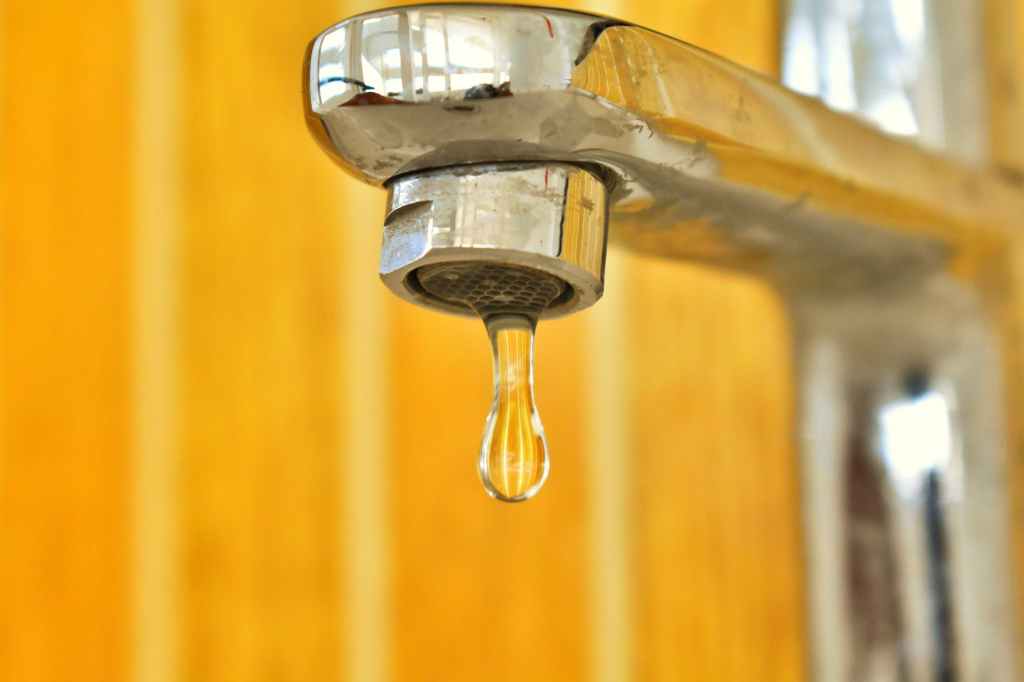
    A leaky tap
    Photo by Nithin PA on Pexels.com

    Now, before you say those values are just an estimate and overhyped, remember that one time you had a leaky tap that refused to close properly, and you left a container at the tap. Remember, you came back to an overflowing container only after a few hours. Now, estimate the number of thousands of households that have the same leaky tap or ill-fitting pipe connection. Does that figure look realistic now?

    Water treatments vary in cost and could be affordable to very expensive, depending on the treatment technique employed, the quality of the influent, and the expected effluent. These leaks not only reduce available freshwater, bringing about water scarcity, but also mean lost revenue used in treating the water. If the leak involved untreated wastewater, it means a reduction in available freshwater due to contamination of existing available water. Either way, it is a loss. A loss we can’t afford for the sake of our future generations.

    When the subject of water scarcity is mentioned, we often think of climate change, water pollution, and overconsumption as discussed in an earlier post, “Are we running out of water?” Leakages, however minimal, increase the risk for water scarcity in an area.

    Water scarcity aside, as long as water can flow out, contaminants can flow in. When a pipe loses pressure due to leakage, dirty water from surrounding soil, drains, or sewage can be drawn inside the pipeline network. This creates a pathway for bacteria, viruses, and chemicals, increasing the risk of contamination or waterborne diseases from consuming such water.

    It always starts out as a little leakage, but if untreated, the leakage gets bigger due to pressure fluctuations around the leakage. Burst pipes damage roads and pavements, resulting in costly emergency repairs and traffic disruptions.

    Can We Ever Eliminate Leaks Entirely?

    The simple answer is no – achieving zero leakage in any large water distribution system is practically impossible. Water pipes are buried underground, exposed to soil movement, traffic vibrations, ageing materials, and fluctuating pressure.

    Instead of striving for the unrealistic goal of zero loss, let’s set performance benchmarks. As soon as these leakages are noticed, they should be dealt with so they don’t become bigger problems later on. Leakages are often due to ageing pipes, delayed maintenance, and limited monitoring technology.

    Locating and repairing every tiny leak is extremely expensive and, in some cases, requires more resources than the water saved. This is why it is important to focus on essential repairs – controlling leaks to a point where water loss, cost of repairs, and service reliability are kept in balance.

    Solutions and Innovations

    While leaks may never be completely eliminated, they can be significantly reduced through smarter strategies, technology, and community action. Some preventive and innovative approaches to keep precious water from slipping away include:

    1. Preventive Maintenance and Pipe Replacement: Much of the leakage problem stems from ageing infrastructure. Pipes that are decades old are more likely to crack, corrode, or burst under pressure. Rather than waiting for leaks to happen, routinely inspecting networks, replacing ageing sections, and upgrading weak materials helps reduce water wastage and ensures long-term reliability.
    2. Smart Water Management: Sensors, IoT, and AI: In our day and time, technology is at the forefront of every activity. Acoustic sensors can listen for the faint sound of water escaping underground. IoT-enabled meters provide real-time data on flow rates, making it easier to pinpoint unusual losses. AI-driven systems that analyse patterns across vast networks, predicting where leaks are most likely to occur. These innovations save both time and money by finding hidden leaks that would otherwise go unnoticed for years.
    3. Pressure Management: Having high pressure at the tap feels good, but it wreaks havoc on older pipes. The constant pressure strains within the pipe result in leakages within the pipeline network.
    4. Community Reporting and Awareness: People are always the first to notice that leaky pipe or tap, the soggy soil, or wet pavement due to leakages. Encouraging residents to report leaks allows for them to be fixed quickly. Public awareness campaigns also remind people that water lost in leaks is still water wasted.

    Conclusion

    At first glance, a little drip here or a minor crack there might not seem like much. But when multiplied across thousands of kilometers of pipelines, those “small leaks” turn into millions of litres of clean, treated water lost every single day. In a world already grappling with water scarcity, this is a hidden drain we cannot afford to ignore. Tackling leakage is just as important as turning off the tap while brushing your teeth or reusing water at home.

  • Are we running out of water?

    Are we running out of water?

    Water is said to be abundant in nature. Despite its abundance, freshwater is only 2.5% of the available water, with 68% locked up in ice and glaciers and 30% below the ground. Although water is continually regenerated through the water cycle year after year, the quantity of water we have remains relatively constant each year. With the rise in population and industrialisation, a question that may linger in our hearts is, “Are we running out of water?” or “How fast are we running out of fresh water?”

    Earth running out of water

    Surface water

    Surface water – lakes, rivers and reservoirs- is 1.2% of freshwater, and rivers make up only 0.49%. Surface water is replenished through rainfall and melting snow. However, a large amount of surface water is drying up due to climate change. Surface water has a self-cleansing mechanism, which allows for the removal of impurities. This improves the quality of the surface water over time, provided it is not being polluted consistently.

    Groundwater

    Groundwater, which lies beneath the Earth’s surface is 30% of freshwater and heavily relied upon. Groundwater is replenished through percolation of water in the aquifer when rain falls. As rainwater or melting snow seeps through the layers of the earth’s crust, it gets naturally filtered as impurities and suspended solids are removed from the water. Groundwater tends to contain a high level of dissolved solids because minerals from beneath the earth’s surface seep into the water as it flows through the crust. Due to overdependence, groundwater is withdrawn faster than it is being replenished. This over-extraction of groundwater is leading to declining water tables.

    Water pollution

    Even with the availability of water, it is not safe for consumption. This is due to the high level of contamination freshwater is facing around the world. High levels of mineralisation in groundwater and algae blooms in surface waters. Treating the water makes it safe for consumption. However, the costly treatment or the unavailability of the treatment is making water scarce. Major reasons why we are running out of water include

    1. Improper disposal of waste: Some waste disposal companies in some countries directly dump waste into rivers and streams with the hope that “it takes away the problem (the waste)”. In reality, the accumulation of these wastes in waterbodies degrades the water quality over time, and because the waste is dumped from time to time, the self-purification mechanism of the river does not help much with purifying the water bodies. Disposing in landfills also affects the quality of groundwater within that area as leachate gets into the aquifer.
    2. Wastewater mismanagement: Enormous amounts of wastewater are generated daily from industries, residential areas, and commercial buildings. Wastewater could be a reliable source of water for agriculture, industrial cooling, or potable use if it is recycled rather than simply being discharged into the environment.
    3. Overconsumption and misuse: Overconsumption is an activity that humans overindulge in. From extra time in the shower to over-irrigating farmlands and excessive water use in industries, humanity uses more water than is sustainable. With erratic rainfalls, prolonged droughts, and rising global temperatures due to climate change, water scarcity has become a consistent phenomenon.
    Polluted river with plastics and other wastes
    River pollution with solid waste

    Moving forward

    Water crises aren’t inevitable, but urgent tasks need to be prioritised. These tasks include:

    • Enforcing regulations about waste (water and solid waste) disposal to reduce pollution levels due to contamination.
    • Encouraging sustainable use of water in homes, agriculture, and industries.
    • Limiting dependence on surface water and groundwater by harvesting rainwater.
    • Investing in wastewater treatment and reuse to reduce water pollution levels and employ wastewater as a potential water source.

    Conclusion

    We may not be “running out” of water in a literal sense, but we are running out of clean, usable freshwater. And that poses a threat to life and the ecosystem. Water is a renewable resource only if we protect and manage it wisely. Otherwise, the well may run dry sooner than we think.

  • Water scarcity

    Water scarcity

    Water is a vital component of life. Although water is believed to be plentiful in nature, fresh water, on which humans rely, is not. Fresh water accounts for only 2.5% of the world’s water, with surface water accounting for 1.2% and groundwater accounting for 30.1%.

    A water source is considered to be stressed when there is strain on it. Water scarcity comes before water stress. Water shortage arises when the demand for water exceeds the supply. Water scarcity is defined as a lack of water in adequate quantity and quality.

    Surface water is the most widely used source of water in rural areas of developing or underdeveloped countries. During prolonged periods of little rainfall, fresh surface water, such as lakes and streams, tends to dry up. The lack of an alternate supply of water during such times strains the current water supplies. If this trend continues, the present water supply source will be depleted.

    Groundwater is another source of water that is frequently overutilized in developing and underdeveloped countries. Overdependence on groundwater lowers the level of the water table, making it difficult to extract water in sufficient quantity and quality.

    When compared to residential areas, industries and public facilities have a larger water consumption. This suggests that, in the same way that household water resources are handled, industrial water resources require the same understanding. Often, too much emphasis is placed on managing existing freshwater supplies in residential areas while disregarding sectors that demand the majority of the water.

    Having a secondary water supply decreases the possibility of water shortage. The risk of a freshwater source drying out grows when it is overly reliant on. Secondary sources of water include:

    • Rainwater harvesting
    • Wastewater treatment and re-use

    It is recommended that treated wastewater be used as an alternative supply of water in industries where water is a primary necessity. Wastewater from industry is required to be treated and reused using appropriate technologies. This is intended to lessen reliance on freshwater supplies.

    Rainwater harvesting is easier to implement in residential settings than reusing treated effluent. Rainwater is a freshwater supply that is only available during the rainy season. Roof gutters can be used to capture rainwater during the rainy season for later consumption.

    Conclusion

    Water is a necessary component of life. Although water is believed to be plentiful in nature, fresh water, on which humans rely, is not.

    Overdependence on any freshwater source causes stress on those resources and, eventually, water shortages.

    Having more than one water source minimizes the likelihood of water shortage. It is our responsibility to safeguard current freshwater supplies, otherwise we risk running out of water in the near future.

Design a site like this with WordPress.com
Get started
