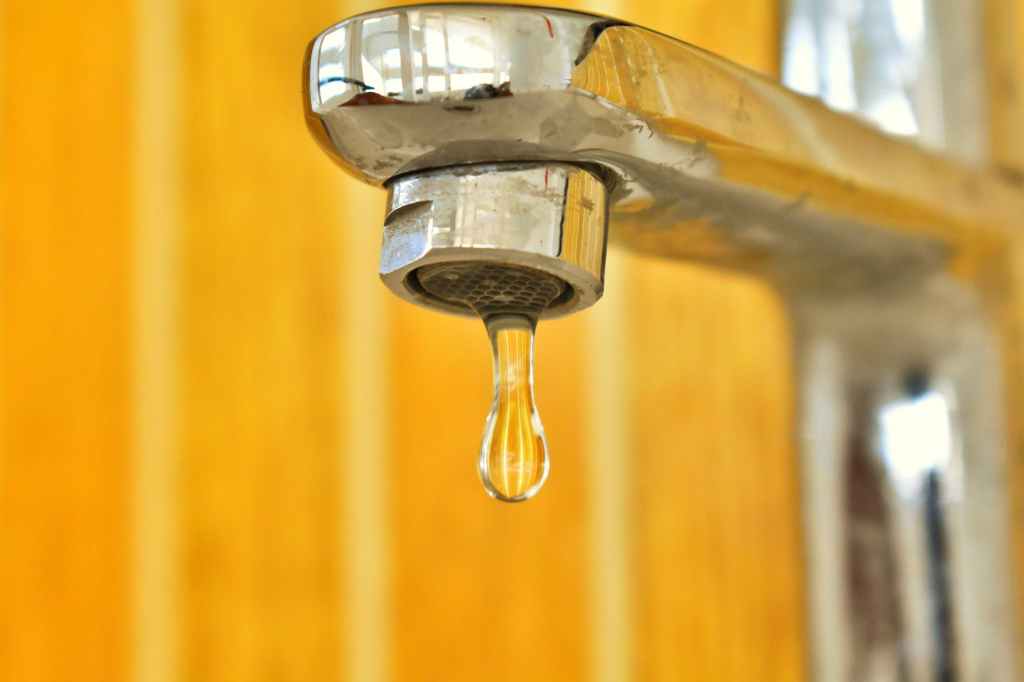
Every year, as the last of October’s rains fade and the skies turn hazy, the same complaint begins to circulate across some Nigerian neighbourhoods “the borehole is running low” or “the well is running low”. The pressure is dropping. Some mornings, nothing comes out at all.
This is not a coincidence. It is not a mechanical failure. And it is not unique to your compound. It is a predictable, seasonal phenomenon driven by the physics of how groundwater moves through the earth — and understanding it is the first step to managing it.
What the Harmattan Actually Does Underground
The harmattan is a northeast trade wind that blows from the Sahara Desert across West Africa between November and March. Above ground, its effects are familiar to every Nigerian — dry skin, hazy skies, cracked lips, and cold mornings. But the harmattan’s impact does not stop at the surface.
Beneath the ground, the harmattan season marks the end of aquifer recharge. Throughout the rainy season — April to October — rainfall percolates down through soil and rock, gradually replenishing the underground water stores called aquifers. This is the process that fills your borehole.
When the rains stop, recharge stops. The aquifer is no longer being topped up. But abstraction — pumping — continues. Every household, every commercial building, every farm that draws from the same underground reservoir keeps pulling water out while nothing goes in.
Water table levels drop seasonally during dry periods, and this is particularly acute for basement aquifers — the type most commonly found across central, southwestern, and northern Nigeria. In northern Nigeria specifically, the water table can drop so significantly during the dry season that boreholes drilled to depths adequate during the rainy season become effectively dry by February.
This is the basics of what you experience every harmattan: your borehole is not broken — the water table has simply fallen below the pump intake level.
Why Some Boreholes Are More Vulnerable Than Others
Not all boreholes experience the same degree of harmattan stress. Several factors determine how badly yours will be affected.
Depth of drilling. The deeper a borehole, the more insulated it is from seasonal water table fluctuations. Shallow boreholes drilled to 20–40 metres are far more vulnerable to dry season depletion than deeper ones reaching 60–100 metres or beyond. If your borehole was drilled to the minimum viable depth during the rainy season when water was plentiful and easy to find, it may struggle significantly during the harmattan periods.
The underlying geology. Nigeria sits on different geological formations depending on location. Basement complex rocks — common across Oyo, Ekiti, Osun, Kwara, Niger, and large parts of the north — form aquifers with relatively limited storage capacity concentrated in fractures and weathered zones. These aquifers recharge well during the rains but deplete faster during the dry season. Sedimentary aquifers in the south — Lagos, Delta, Rivers — tend to have higher storage and are somewhat more resilient, though urban over-abstraction is a significant pressure there.
How many boreholes share the same aquifer. This is the hidden compounding factor. When an entire neighbourhood drills into the same aquifer system — each borehole pumping independently, with no coordination — the collective demand can outpace the aquifer’s ability to sustain all of them through the dry months. As the population grows without a corresponding increase in water supply infrastructure, borehole dependence intensifies, and dry season shortages become more severe.
The condition of the pump and casing. A well-sealed borehole casing prevents surface water from infiltrating and protects the pump. Worn or poorly maintained pump components reduce efficiency, meaning the pump works harder to lift water from a falling water table — and may appear to run dry even when some water remains below.
The Signs Your Borehole Is Under Harmattan Stress
Recognising the signs early allows you to manage the situation rather than be caught off guard.
The most common indicator is reduced flow rate — water that once flowed at strong pressure begins trickling. This happens as the water table drops and the pump draws with increasing effort. You may also notice the pump running noisily or cycling on and off rapidly, which indicates it is struggling to sustain suction. In severe cases, the pump begins pulling air, producing a sputtering discharge, before eventually losing prime entirely.
Increased turbidity — a slight cloudiness or change in taste — can also indicate that the water table has dropped to the point where the pump is drawing from the lower, more mineralised or sediment-rich layers of the aquifer. This is not necessarily dangerous, but it is a signal that the system is under stress.
What You Can Do — Before, During, and After Harmattan
Before harmattan begins (September to October):
Store treated water during October — the final month of the rainy season. Large overhead tanks or ground-level storage tanks filled during this period provide a buffer for the first and worst weeks of dry season decline. This is also the ideal time to have your borehole serviced: check the pump impeller, inspect the casing seal, and have a technician confirm the static water level.
During harmattan (November to March):
Reduce unnecessary abstraction. Identify high-volume uses — car washing, excessive garden watering, filling swimming pools — and either eliminate or reduce them during peak dry season. The less water drawn from a stressed aquifer, the slower the water table falls.
Space out pumping sessions rather than running continuously. Giving the aquifer brief recovery periods between pumping cycles can make a meaningful difference, particularly for basement aquifers with limited transmissivity.
If your pump loses prime and stops delivering water, do not run it dry — this damages the motor and impeller significantly. Switch it off and allow several hours before attempting to restart.
Boreholes that go completely dry:
If your borehole fails entirely during harmattan, do not assume it is permanently damaged. In the majority of cases, seasonal dry boreholes recover once rains return and recharge the aquifer. Wait until at least mid-April before concluding that rehabilitation is needed. If the borehole fails to recover after the first significant rains, then professional assessment is warranted — it may require deepening or rehabilitation.
Planning for the next cycle:
If harmattan failure is a recurring problem, the medium-term solution is deeper drilling. A borehole that reaches below the seasonal fluctuation zone — typically 60 metres or more in basement areas — is far less likely to be affected by dry season water table decline. Rainwater harvesting during the rainy season is also a valuable complement, significantly reducing dry-season borehole dependence.
The Broader Picture
The harmattan borehole problem is ultimately a symptom of a larger issue: groundwater is being abstracted faster than it is being replenished, and the dry season is when that imbalance becomes impossible to ignore. The challenge is not the absence of water — it is the mismatch between how fast we take it and how fast the earth can give it back.
Preparing for harmattan is not just about surviving the dry season. It is about developing a relationship with your water source that acknowledges its limits — and plans around them.

 Jay water advisory
Leave a comment