Author: Jesutofunmi Aladekomo

  • After the Floods: How Floodwater Contaminates Your Drinking Water and What to Do

    After the Floods: How Floodwater Contaminates Your Drinking Water and What to Do

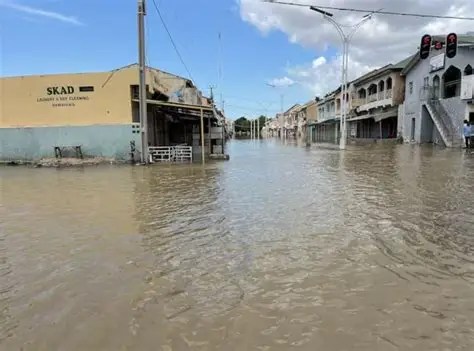
    The rains have come. Streets are submerged, drains are overwhelmed, and water is everywhere. Then the floods recede — and life slowly tries to return to normal. You turn on your tap or pump your borehole, relieved that the water is flowing again.

    But is it actually safe?

    This is one of the most dangerous assumptions made after flooding in Nigeria. Floodwater does not simply pass through — it leaves something behind. And what it leaves behind in your water sources can make you very sick.

    What Floodwater Actually Carries

    Floodwater in Nigerian cities and towns is rarely just rainwater. By the time it reaches your compound, it has swept through streets, open drains, dumpsites, pit latrines, and sewage channels — picking up everything along the way.

    Research published in Applied Water Science confirms that flooding increases faecal indicator bacteria counts in groundwater sources during and immediately after flood events. In simple terms: floodwater carries faecal matter, and it finds its way into wells and boreholes.

    The specific contaminants introduced include:

    Bacteria such as E. coli, Salmonella, Shigella, and Vibrio cholerae — all capable of causing severe illness. A study assessing water sources in Ibadan found E. coli and Salmonella in wells and boreholes, with contamination significantly higher during the wet season.

    Parasites such as Giardia lamblia, Entamoeba histolytica, and Cryptosporidium — which cause persistent diarrhoea and stomach illness and are harder to kill than bacteria.

    Chemicals from flooded dumpsites, fuel stations, agrochemical stores, and industrial areas — including heavy metals, pesticides, and petroleum compounds that boiling alone cannot remove.

    Sediment and debris that clouds the water and provides hiding places for pathogens, making it harder to treat effectively.

    This is not a theoretical risk. It has direct, measurable consequences for Nigerians every single rainy season.

    The Cholera Connection

    The link between flooding and cholera in Nigeria is well-documented and deeply alarming. In 2024 alone, Nigeria reported over 10,837 cholera cases and 359 deaths across 35 states and the FCT, according to WHO data — with the outbreak triggered and worsened by flooding across the country.

    Save the Children reported that Nigeria’s cholera fatality rate reached 2.9% in October 2024 — nearly three times the 1% international standard. Children under five were among the most affected.

    A review published in Frontiers in Public Health notes that cholera outbreaks in Nigeria consistently peak between June and September — exactly when the rainy season and floods are at their most intense. Flooding overwhelms water systems, contaminating drinking sources with Vibrio cholerae from sewage and waste, creating conditions for rapid transmission.

    Water scarcity and water quality are two sides of the same coin. Poor water quality directly or indirectly implies water scarcity. The dumpsites and chemical stores that floodwater sweeps through add a toxic dimension to an already dangerous situation. This further worsens the quality of an already poor water quality in some cases.

    Why Wells and Boreholes Are So Vulnerable

    Many people assume that boreholes are safe from flooding because they draw water from underground. This is only partially true.

    A study on borehole water quality in Port Harcourt found that boreholes in flood-prone and densely populated areas showed significant microbial contamination. The routes of entry include:

    • Damaged or loose well caps that allow floodwater to pour directly into the casing
    • Cracked well casings that create pathways for contaminated surface water
    • Saturated soil around the borehole that carries pathogens downward into the aquifer
    • Old or rusty pipes in the distribution system that allow bacteria to enter, as highlighted in our earlier piece on pipeline leakages
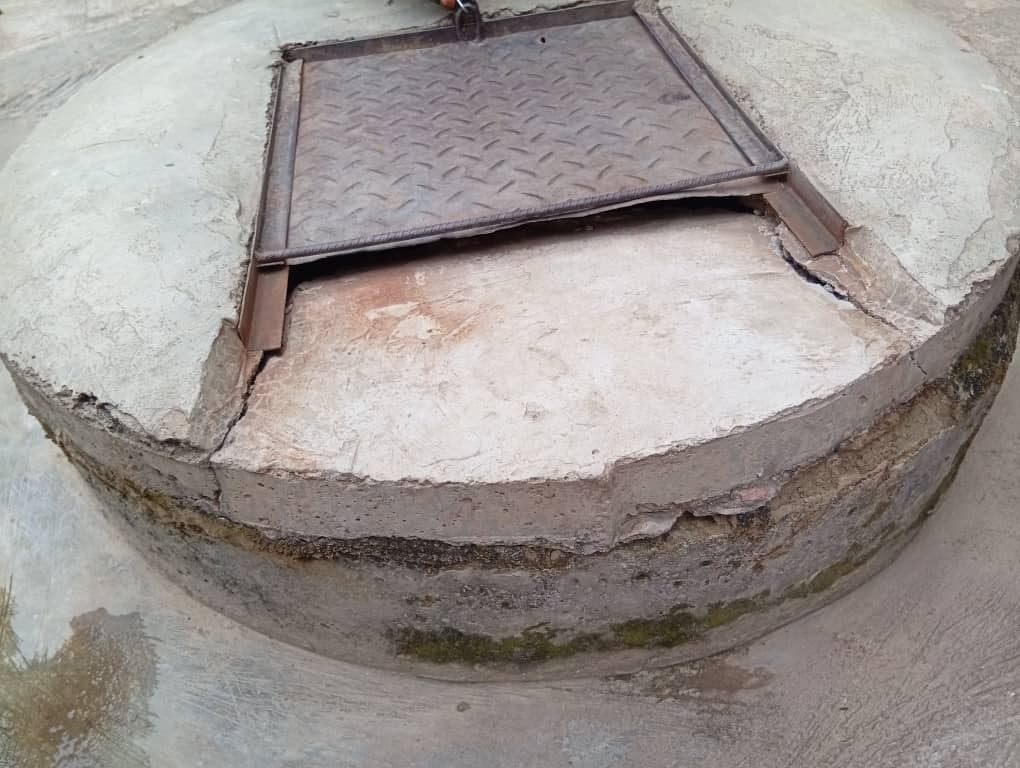
    A well with a poorly fitted cover
    Hand-dug well with an ill-fitting cover

    Shallow hand-dug wells are the most vulnerable of all — often directly exposed to surface water during flooding. Research in Lagos confirmed that shallow wells showed the highest contamination levels, with contamination significantly worse during periods of heavy rainfall.

    Deeper boreholes with intact casings and proper sealing offer more protection — but even these are not immune if the infrastructure around them has been compromised.

    Signs Your Water May Be Contaminated After a Flood

    Your water may not look or smell different, but watch for these warning signs:

    • The borehole or well was submerged or surrounded by floodwater
    • The well cap or casing was visibly damaged, displaced, or loose
    • The water appears cloudier or has a different colour than usual
    • There is an unusual smell — earthy, chemical, or sewage-like
    • Multiple people in the household or community fall ill with diarrhoea or vomiting shortly after using the water
    • The flood passed through areas with dumpsites, pit latrines, or fuel stations nearby

    If any of these apply, treat your water as contaminated until confirmed otherwise.

    What to Do — A Practical Step-by-Step Guide

    Step 1 — Stop using the water immediately for drinking and cooking. Do not assume floodwater-affected sources are safe. Use stored bottled water, sachet water or water from a known clean source as your first priority.

    Step 2 — Let the floodwater fully recede before assessing your source. Do not turn on the borehole pump while the surrounding area is still flooded — this can pull contaminated surface water into the system.

    Step 3 — Inspect the physical condition of your well or borehole. Check for a damaged casing, displaced cap, sediment inside the casing, or visible debris. If structurally damaged, call a licensed borehole technician before use.

    Step 4 — Flush the system. Once floodwater has receded and the structure appears intact, run the pump for an extended period to flush out the immediate post-flood water before attempting treatment.

    Step 5 — Boil your water. According to the CDC, boiling is the most reliable method for killing bacteria, viruses, and most parasites. Bring water to a vigorous rolling boil for at least one full minute, then allow it to cool in a covered, clean container before use. Boiling works for biological contamination — but will not remove chemicals, heavy metals, or fuel.

    Step 6 — Chlorinate if boiling large volumes is not practical The US EPA recommends using regular unscented household bleach (sodium hypochlorite, 5–8%) for emergency disinfection. For clear water, add 6 drops per litre. For cloudy water, first strain through a clean cloth, then add 12 drops per litre. Stir and let stand for 30 minutes before use.

    Step 7 — Filter before you treat. If water is visibly cloudy or turbid, strain it through a clean cloth or fine filter before boiling or chlorinating. Turbid water blocks the effectiveness of both methods — particles shield pathogens from heat and chemical treatment.

    Step 8 — If you suspect chemical contamination, do not boil. Water that smells like fuel, has an oily sheen, or comes from an area where chemicals were stored or flooded should not be used at all. Boiling concentrates chemicals — it does not remove them. Find an alternative source and seek professional assessment.

    After Treatment — Storage Matters Too

    Treating your water carefully and then storing it in a dirty container or an open bucket undoes all the effort. Store treated water in clean, covered containers. Do not dip unclean hands or cups directly into stored treated water — use a clean ladle or tap.

    Prevention — What You Can Do Before the Next Flood

    • Raise your wellhead — boreholes and well casings should sit above the typical flood level of your compound
    • Seal your well cap properly — a tight, secure cap is one of the simplest and most effective barriers against contamination
    • Store clean water before the rains peak — fill clean containers during dry periods as a reserve
    • Know where your nearest safe water source is — churches, schools, or community water points may have safer supply during emergencies
    • Never locate a borehole near a pit latrine or dumpsite — they should be at minimum 30 metres apart, as public health guidelines recommend

    Conclusion

    Flooding does not end when the water drains away. It leaves behind a contamination problem that is invisible, odourless, and life-threatening — particularly for children under five, who are the most vulnerable to the waterborne diseases that follow.

    The good news is that practical, low-cost steps can protect your household. Boiling, chlorination, proper storage, and basic borehole maintenance are not complicated. They simply require awareness — and that is exactly what this article is for.

    When the floods come this year, do not just ask whether the water is flowing. Ask whether it is actually safe.

    For more on Nigeria’s water challenges, read up on

  • The Path of Hazardous Waste

    The Path of Hazardous Waste

    Hazardous wastes are wastes that could cause harm to life when disposed of improperly. Hazardous wastes can readily catch fire under standard conditions, like oil-based paints or gasoline. They can be corrosive, reactive and toxic when ingested on there is close contact. Imagine a can of spray paint or insecticide when thrown into a burning fire – it explodes. Those are hazardous wastes that require careful handling to protect life and the environment.

    Hazardous wastes aren’t just found in industries or commercial buildings; they are everywhere. About 13 tons of hazardous waste is generated every second. From households to the streets, schools, and factories – they are everywhere. Hazardous wastes could be:

    1. Household hazardous waste. It could be hard to think of hazardous waste lying around in our homes. However, the cleaning agents used on clean-up days to the can of insecticides used to keep our homes bug free to the batteries in the remote and wall clocks, they are all hazardous wastes. When disposed with regular waste to landfills, they can release heavy metals, corrode, or cause an ignition. These items should be collected separately and disposed of appropriately.
    2. Industrial hazardous waste. A significant amount of hazardous waste is generated from industries. Manufacturing industries generate hazardous by-products during their production processes that require advanced treatment. Industries such as mining, pharmaceuticals, and manufacturing generate large amounts of hazardous waste. For every kilo of pill generated in the pharmaceuticals industry, 100 kilos of emissions and waste are generated.
    3. Medical waste (biohazards). Waste generated from hospitals is 15% biohazard. These wastes – used syringes, lab cultures, expired medicine, and blood-stained bandages – could be reactive, infectious or flammable. An estimate of 16 billion injections are administered yearly, worldwide, of which not all are properly disposed. Medical waste should be segregated at the source, placed in clearly marked containers, and treated through processes like incineration or autoclaving before disposal to prevent health hazards.
    4. E-waste. E-waste is one of the fastest-growing categories of hazardous waste worldwide. Old phones, laptops, televisions, and other appliances might look like junk, but they contain heavy metals like cadmium, lead which could leach into the environment if not disposed of properly. Resources – gold, copper, and silver – which are found in many devices can be recovered and reused, and it reduces E-waste is one of the fastest-growing categories of hazardous waste worldwide. Old phones, laptops, televisions, and appliances might look like junk, but they contain harmful substances like cadmium, lead, and flame-retardant chemicals. If not properly recycled, these toxins can leak into the environment. At the same time, e-waste is also a valuable resource—many devices contain precious metals like gold, copper, and silver that can be recovered and reused. This is why proper e-waste recycling is so important: it reduces environmental harm while creating opportunities for resource recovery.

    Hazardous wastes separated at the source and labelled have a higher possibility of being treated and disposed of properly. In countries like Nigeria, where formal recycling centers are scarce and hazardous waste disposal systems are often inadequate, individuals and communities have a big role to play in protecting the environment. While it might seem like one person’s actions don’t make much of a difference, collective effort can drastically reduce the amount of dangerous waste ending up in open dumps, water bodies, or farmlands. Practical steps to prevent hazardous waste in the environment include:

    1. Minimize Hazardous Waste Generation. The best way to manage hazardous waste is to reduce how much you produce in the first place. Reducing demand for hazardous products means less risk of them ending up in the environment. Consider:
      • Choosing rechargeable batteries instead of disposable ones.
      • Buying only the amount of paint, cleaning chemicals, or pesticides you need—so you don’t end up with leftovers.
      • Opting for eco-friendly alternatives when available, such as biodegradable cleaning agents.
    2. Store Hazardous Waste Safely Until Proper Disposal is Possible. If there are no recycling or collection facilities nearby, don’t throw hazardous waste into the regular dustbin or burn it in open air (which releases toxic fumes). Instead:
      • Keep used batteries, bulbs, and small electronics in a separate container.
      • Label containers clearly to avoid mixing with household trash. Store them in a cool, dry place, away from children and pets, until you can access a safe disposal channel (such as a community drop-off event, NGO collection drive, or when travelling to a city with facilities).
    3. Donate or Repurpose Usable Electronics. Before discarding old electronics, consider whether they can still be useful. Many communities, schools, or repair shops can reuse or refurbish old phones, laptops, or appliances. Extending the lifespan of electronics reduces the immediate waste burden and delays the risk of hazardous materials leaking into the environment.
    4. Never Burn or Dump Hazardous Waste in Waterways. In many places, people burn old wires, plastics, or electronic boards to recover metals, or they throw used batteries into gutters and rivers. These practices are extremely dangerous: they release toxic fumes and contaminate water sources. Spreading awareness within your household and community about these dangers is one of the most effective forms of prevention.
    5. Support and Advocate for Better Systems. While individual action matters, long-term change requires better infrastructure and policies. Supporting local initiatives, speaking up at community meetings, or even encouraging schools to set up e-waste collection bins can push authorities and businesses to provide safer disposal options.

    Hazardous waste is not just an abstract environmental issue—it has direct and often devastating effects on human health, ecosystems, and communities. When these materials are mismanaged, the consequences can linger for generations. One of the most serious risks is water pollution. When batteries, chemicals, or e-waste are dumped in open landfills or near rivers, toxic substances like lead, mercury, and arsenic can leach into groundwater. Contaminated water has been linked to diseases such as kidney damage, developmental problems in children, and certain cancers.

    Hazardous waste that seeps into soil doesn’t just stay underground—it affects food production. Crops grown in polluted soil can absorb heavy metals, which then enter the food chain. Farmers may notice stunted growth or reduced yields, while consumers face long-term health effects from eating contaminated food.

    Open burning of hazardous waste, a common practice in many developing countries, releases clouds of toxic smoke. Burning plastics, wires, or medical waste produces dioxins and furans—chemicals known to cause respiratory diseases, skin disorders, and even cancer. For people living near dumpsites, breathing polluted air daily often leads to chronic coughs, asthma, and other long-term respiratory conditions. Children, in particular, are the most vulnerable.

    Conclusion

    It is important to manage hazardous waste properly, given its diverse types and composition and the significant risks it poses to human health and the environment. Improper handling of hazardous waste can lead to severe consequences, including soil and water contamination, air pollution, and long-term health issues like cancer or respiratory diseases. In areas with few recycling facilities, it is possible to manage and properly dispose of hazardous waste and that should be everyone’s priority.

  • Leakages in pipeline networks: do they really matter?

    Leakages in pipeline networks: do they really matter?

    A leaky tap, an ill-fitting pipe connection, a broken faucet – compared to industries and agricultural farms, the water loss is approximately negligible – so, does it really matter on the large scale of things? About 126 billion cubic metres of water is lost due to these “negligible” losses yearly worldwide. That’s enough water for Nigeria to use in 1,500 years. Now, that’s a lot of loss.

    A leaky tap
    Photo by Nithin PA on Pexels.com

    Now, before you say those values are just an estimate and overhyped, remember that one time you had a leaky tap that refused to close properly, and you left a container at the tap. Remember, you came back to an overflowing container only after a few hours. Now, estimate the number of thousands of households that have the same leaky tap or ill-fitting pipe connection. Does that figure look realistic now?

    Water treatments vary in cost and could be affordable to very expensive, depending on the treatment technique employed, the quality of the influent, and the expected effluent. These leaks not only reduce available freshwater, bringing about water scarcity, but also mean lost revenue used in treating the water. If the leak involved untreated wastewater, it means a reduction in available freshwater due to contamination of existing available water. Either way, it is a loss. A loss we can’t afford for the sake of our future generations.

    When the subject of water scarcity is mentioned, we often think of climate change, water pollution, and overconsumption as discussed in an earlier post, “Are we running out of water?” Leakages, however minimal, increase the risk for water scarcity in an area.

    Water scarcity aside, as long as water can flow out, contaminants can flow in. When a pipe loses pressure due to leakage, dirty water from surrounding soil, drains, or sewage can be drawn inside the pipeline network. This creates a pathway for bacteria, viruses, and chemicals, increasing the risk of contamination or waterborne diseases from consuming such water.

    It always starts out as a little leakage, but if untreated, the leakage gets bigger due to pressure fluctuations around the leakage. Burst pipes damage roads and pavements, resulting in costly emergency repairs and traffic disruptions.

    Can We Ever Eliminate Leaks Entirely?

    The simple answer is no – achieving zero leakage in any large water distribution system is practically impossible. Water pipes are buried underground, exposed to soil movement, traffic vibrations, ageing materials, and fluctuating pressure.

    Instead of striving for the unrealistic goal of zero loss, let’s set performance benchmarks. As soon as these leakages are noticed, they should be dealt with so they don’t become bigger problems later on. Leakages are often due to ageing pipes, delayed maintenance, and limited monitoring technology.

    Locating and repairing every tiny leak is extremely expensive and, in some cases, requires more resources than the water saved. This is why it is important to focus on essential repairs – controlling leaks to a point where water loss, cost of repairs, and service reliability are kept in balance.

    Solutions and Innovations

    While leaks may never be completely eliminated, they can be significantly reduced through smarter strategies, technology, and community action. Some preventive and innovative approaches to keep precious water from slipping away include:

    1. Preventive Maintenance and Pipe Replacement: Much of the leakage problem stems from ageing infrastructure. Pipes that are decades old are more likely to crack, corrode, or burst under pressure. Rather than waiting for leaks to happen, routinely inspecting networks, replacing ageing sections, and upgrading weak materials helps reduce water wastage and ensures long-term reliability.
    2. Smart Water Management: Sensors, IoT, and AI: In our day and time, technology is at the forefront of every activity. Acoustic sensors can listen for the faint sound of water escaping underground. IoT-enabled meters provide real-time data on flow rates, making it easier to pinpoint unusual losses. AI-driven systems that analyse patterns across vast networks, predicting where leaks are most likely to occur. These innovations save both time and money by finding hidden leaks that would otherwise go unnoticed for years.
    3. Pressure Management: Having high pressure at the tap feels good, but it wreaks havoc on older pipes. The constant pressure strains within the pipe result in leakages within the pipeline network.
    4. Community Reporting and Awareness: People are always the first to notice that leaky pipe or tap, the soggy soil, or wet pavement due to leakages. Encouraging residents to report leaks allows for them to be fixed quickly. Public awareness campaigns also remind people that water lost in leaks is still water wasted.

    Conclusion

    At first glance, a little drip here or a minor crack there might not seem like much. But when multiplied across thousands of kilometers of pipelines, those “small leaks” turn into millions of litres of clean, treated water lost every single day. In a world already grappling with water scarcity, this is a hidden drain we cannot afford to ignore. Tackling leakage is just as important as turning off the tap while brushing your teeth or reusing water at home.

  • Are we running out of water?

    Are we running out of water?

    Water is said to be abundant in nature. Despite its abundance, freshwater is only 2.5% of the available water, with 68% locked up in ice and glaciers and 30% below the ground. Although water is continually regenerated through the water cycle year after year, the quantity of water we have remains relatively constant each year. With the rise in population and industrialisation, a question that may linger in our hearts is, “Are we running out of water?” or “How fast are we running out of fresh water?”

    Earth running out of water

    Surface water

    Surface water – lakes, rivers and reservoirs- is 1.2% of freshwater, and rivers make up only 0.49%. Surface water is replenished through rainfall and melting snow. However, a large amount of surface water is drying up due to climate change. Surface water has a self-cleansing mechanism, which allows for the removal of impurities. This improves the quality of the surface water over time, provided it is not being polluted consistently.

    Groundwater

    Groundwater, which lies beneath the Earth’s surface is 30% of freshwater and heavily relied upon. Groundwater is replenished through percolation of water in the aquifer when rain falls. As rainwater or melting snow seeps through the layers of the earth’s crust, it gets naturally filtered as impurities and suspended solids are removed from the water. Groundwater tends to contain a high level of dissolved solids because minerals from beneath the earth’s surface seep into the water as it flows through the crust. Due to overdependence, groundwater is withdrawn faster than it is being replenished. This over-extraction of groundwater is leading to declining water tables.

    Water pollution

    Even with the availability of water, it is not safe for consumption. This is due to the high level of contamination freshwater is facing around the world. High levels of mineralisation in groundwater and algae blooms in surface waters. Treating the water makes it safe for consumption. However, the costly treatment or the unavailability of the treatment is making water scarce. Major reasons why we are running out of water include

    1. Improper disposal of waste: Some waste disposal companies in some countries directly dump waste into rivers and streams with the hope that “it takes away the problem (the waste)”. In reality, the accumulation of these wastes in waterbodies degrades the water quality over time, and because the waste is dumped from time to time, the self-purification mechanism of the river does not help much with purifying the water bodies. Disposing in landfills also affects the quality of groundwater within that area as leachate gets into the aquifer.
    2. Wastewater mismanagement: Enormous amounts of wastewater are generated daily from industries, residential areas, and commercial buildings. Wastewater could be a reliable source of water for agriculture, industrial cooling, or potable use if it is recycled rather than simply being discharged into the environment.
    3. Overconsumption and misuse: Overconsumption is an activity that humans overindulge in. From extra time in the shower to over-irrigating farmlands and excessive water use in industries, humanity uses more water than is sustainable. With erratic rainfalls, prolonged droughts, and rising global temperatures due to climate change, water scarcity has become a consistent phenomenon.
    Polluted river with plastics and other wastes
    River pollution with solid waste

    Moving forward

    Water crises aren’t inevitable, but urgent tasks need to be prioritised. These tasks include:

    • Enforcing regulations about waste (water and solid waste) disposal to reduce pollution levels due to contamination.
    • Encouraging sustainable use of water in homes, agriculture, and industries.
    • Limiting dependence on surface water and groundwater by harvesting rainwater.
    • Investing in wastewater treatment and reuse to reduce water pollution levels and employ wastewater as a potential water source.

    Conclusion

    We may not be “running out” of water in a literal sense, but we are running out of clean, usable freshwater. And that poses a threat to life and the ecosystem. Water is a renewable resource only if we protect and manage it wisely. Otherwise, the well may run dry sooner than we think.

Design a site like this with WordPress.com
Get started