By Jay Water Advisory
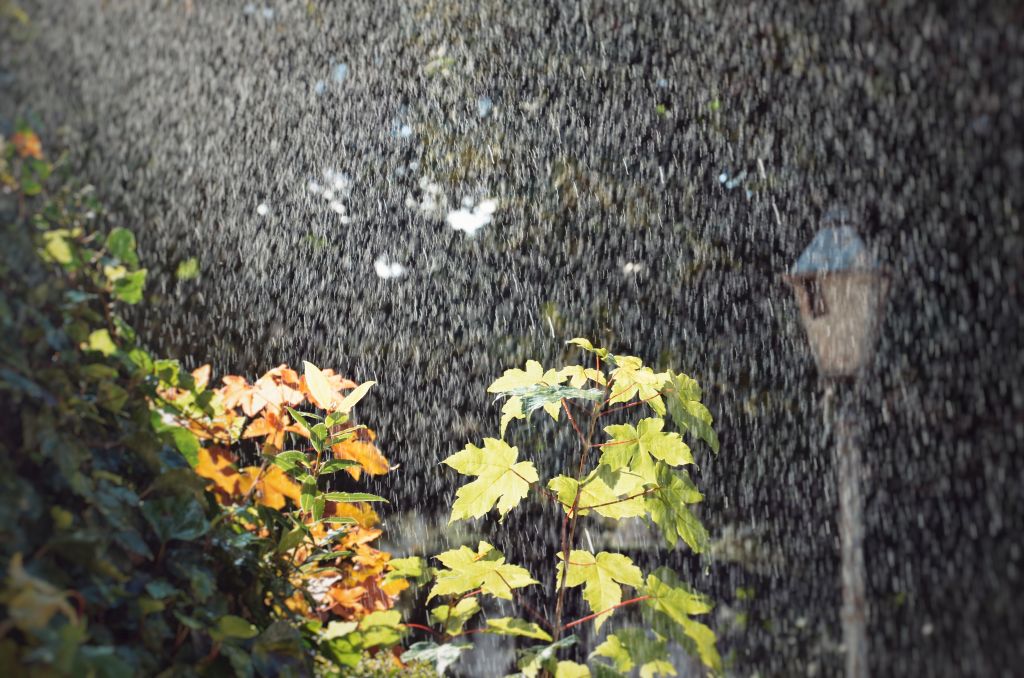
Late September in Nigeria does not feel like the end of the rainy season. The rains are still consistent, sometimes heavy, and the ground is still saturated from months of continuous rainfall. In the south, the rainy season runs through to October, with some coastal areas experiencing a second peak in September and October before the gradual decline begins.
But October is coming. When it arrives, the shift brings a false sense of safety worth understanding before it sets in.
What Is Still Happening Right Now
The second rainy season that officially began in September is still fully active. NiMet’s Seasonal Climate Prediction projected intense rainfall averaging around 360mm for September alone in some states — and the data from the ground matches that forecast. Rivers are still high. Soil is still saturated. Communities that flooded in July are still managing the aftermath.
What Changes When the Rains Finally Begin to Ease
The period from September to November sees a gradual transition from the rainy season to the harmattan season across Nigeria. The transition is not a single day or a single week. It is rather a gradual process in which rain becomes less frequent, humidity begins to drop, and the first harmattan haze appears on the horizon by November.
When that transition happens, most people exhale. The flooding is over. The boreholes look fine again. The compound is dry. Life returns to something resembling normal.
But several things that the rains set in motion do not resolve simply because the rain has stopped.
Contaminated boreholes do not clean themselves. A borehole that was reached by floodwater, or whose surrounding soil was saturated by months of rainfall carrying sewage and surface contamination, does not return to its pre-rainy-season quality simply because October is drier. Microbial contamination in groundwater can persist for weeks to months after a flooding event.
Standing water does not drain overnight. Even after rain stops, water that has pooled in low-lying areas, blocked drains, old tyres, containers, and rooftop gutters remains, and stagnant water is the primary breeding ground for the Anopheles mosquito that transmits malaria. Malaria cases in Nigeria typically peak two to three months after the height of the rainy season, which means October and November are historically the worst months for malaria transmission, even as the rains ease. The disease season lags behind the rainfall season by weeks.
Soil erosion damage does not reverse. Months of heavy rainfall strip topsoil, deepen erosion channels, and leave farmland structurally different from how it was in March. That damage persists into the dry season and it affects planting decisions, crop yields, and the food prices that households will feel through the first quarter of next year.
What to Do Before Harmattan Arrives
- Test your borehole now — before you assume it is fine.
- Clear all standing water from around your home.
- Inspect and seal your borehole casing.
- Continue boiling drinking water through October.
The rains are still here. October is two days away. The transition between these two seasons is not a reset — it is a handover, and the problems the rainy season created do not stop being problems simply because the rain does. Understanding that transition, and acting on it before harmattan closes the window, is one of the most practical things any Nigerian household can do before the dry season begins.
Jay Water Advisory is committed to promoting sustainable water and environmental practices for communities across Nigeria and beyond.


Leave a Reply