By Jay Water Advisory
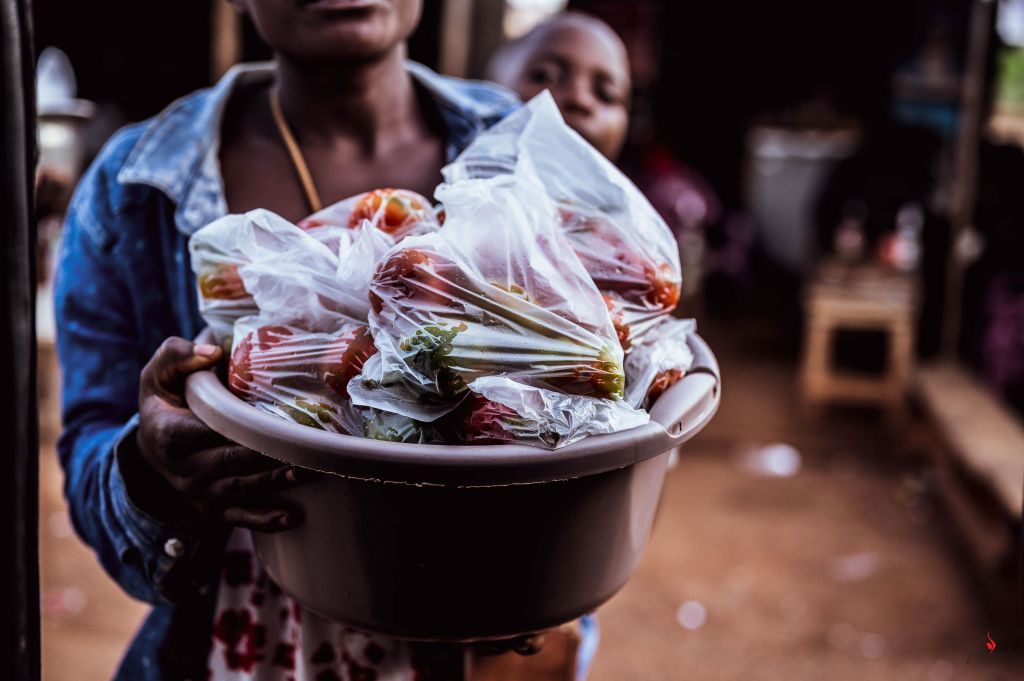
You probably noticed it at the market. The tomatoes cost more than they did last year. The rice vendor adjusted prices again. The pepper you bought last month is the same pepper, but it costs differently.
Most people blame the economy. The naira. The fuel price. The season. And those things are real contributors. But there is another force quietly driving food prices higher every rainy season. One that starts not at the market stall but on a flooded farm hundreds of kilometres away.
What Flooding Does to Farms First
Nigeria’s farming calendar runs on the rains. When rainfall arrives on time and in reasonable volumes, crops grow, harvests come in, and markets are supplied. When flooding hits, as it has done with increasing frequency and intensity in recent years, the calculation changes entirely.
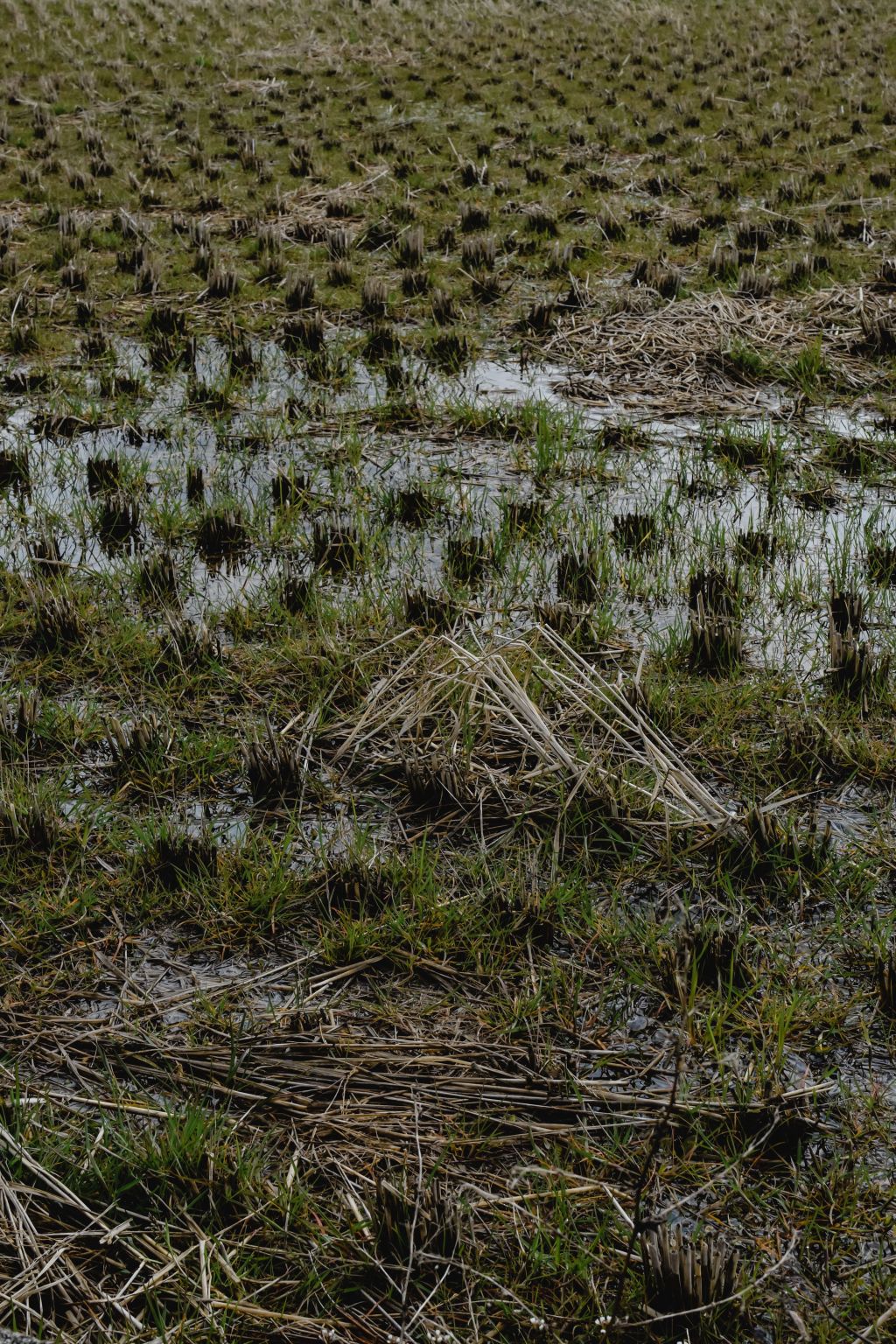
In 2022 alone, floods destroyed over 676,000 hectares of farmland across Nigeria. That single season’s destruction contributed directly to food prices rising 24.3% in 2023. The pattern is consistent and documented: flood the farms in September, and feel it in your food budget by November.
Flooding and other factors cut maize output in Nigeria by 12% year-on-year and rice by 21% during severe flood seasons according to commodities exchange AFEX — and these are not crops grown for export. They are the maize in your ogi, the rice on your plate, the cowpea in your akara.
The Chain From Farm to Market
The connection between a submerged farm and a more expensive market is not immediate. It takes weeks to months to appear, which is why most people never link the two. Here is how it works.
When a farm floods, the farmer loses the harvest they invested in — seeds, fertiliser, labour, time. Farmers across Nigeria’s north-central and north-west regions have warned that escalating production costs and massive post-harvest losses are forcing many of them to consider abandoning farming altogether. When farmers stop farming, supply drops. When supply drops, prices rise.
Even farms that survive flooding face disrupted supply chains. Haulage services are severely affected when flood damage makes roads inaccessible — leaving produce stranded on farms while urban markets run short. The food exists. It simply cannot get to where it needs to go.
The Problem That Does Not Get Fixed Between Seasons
What makes this cycle particularly difficult is that Nigeria loses enormous quantities of food even in good seasons before flooding ever enters the equation.
Nigeria loses between 35 and 40 million metric tonnes of food every year to post-harvest losses — food that was grown, harvested, and then lost to poor storage, inadequate transport infrastructure, and spoilage before it ever reached a consumer. When flooding reduces how much is harvested in the first place, the impact of those losses is amplified.
What This Means for Your Household
Understanding this chain does not immediately lower your food bill. But it does change how you can respond to it.
Buy and eat seasonally. Produce that is in season locally is always cheaper than produce that has been transported long distances or stored expensively. In September, as the second rains arrive, leafy vegetables, some tubers, and legumes are more available from nearby farms. Buying what is local and in season reduces your dependence on the supply chains most disrupted by flooding.
Reduce food waste at home. Nigeria’s food loss problem begins on farms but continues in households and every meal portion thrown away is part of the same chain that starts with a flooded farm. Cooking what you buy, storing food correctly, and using leftovers are not just frugality, they are a household-level contribution to reducing the gap between supply and demand.
Grow something at home. Even a bucket of ugu or a pot of tomatoes in your compound reduces your dependence on market supply chains that become unpredictable every flood season. It is not a solution to Nigeria’s agricultural challenges but it is a practical, immediate one for your household.
The rain that falls on a farm somewhere in Benue or Kogi this September will show up on your food bill before Christmas. The chain is real, it is measurable, and it has been running the same way for years. Knowing it exists is the beginning of responding to it more deliberately.
Jay Water Advisory is committed to promoting sustainable water and environmental practices for communities across Nigeria and beyond.
 Jay water advisory
Leave a comment