By Jay Water Advisory
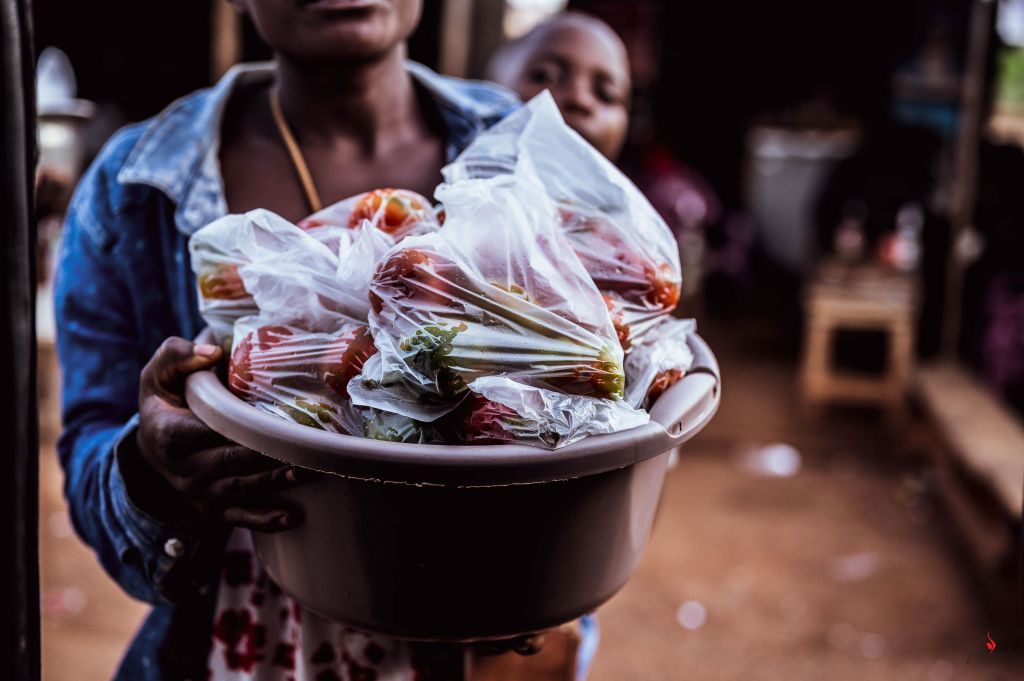
The tomatoes at your market this week look fine. The ugu is green. The pepper is plump. But between the farm and your kitchen, many of those vegetables grew through one of the worst rainy seasons Nigeria has recorded and floodwater is not just water.
It carries sewage. Industrial waste. Agricultural chemicals. Heavy metals from contaminated soil. And a research published in the Wiley Food Safety and Health journal in March 2026 which covers ten years of Nigerian food contamination data confirms that biological hazards including Salmonella, E. coli, and Listeria, alongside heavy metals like lead, cadmium, arsenic, and mercury, remain prevalent in Nigerian food systems and are intensified by contaminated water bodies and unsafe agriculture practices.
When floodwater reaches farmland, those contaminants do not stay in the water. They enter the soil. They are absorbed into the plants growing in it.
What Gets Into the Food
Bacteria and pathogens are the most immediate risk. Floodwater in Nigerian communities carries the contents of overflowing pit latrines, open drains, and sewage systems and when that water reaches vegetables like ugu, spinach, tomatoes, and lettuce, the bacteria attach to leaf surfaces and can survive washing with ordinary water alone. A 2026 review of food contamination in Nigeria confirmed that microbial pathogens including E. coli and Salmonella are consistently detected in vegetables with changing climatic conditions actively facilitating their emergence and spread.
Heavy metals are the less visible but longer-term danger. A 2025 systematic review of heavy metal contamination in fish, fruits, and vegetables across southwest Nigeria which covered 64 studies in most South Western states found consistent evidence of lead, cadmium, and mercury contamination in vegetables. These metals enter farmland through industrial discharge, waste dump leachate, and contaminated irrigation water. They are taken up through the plant’s root system and remain in the food. Heavy metals at elevated levels have adverse effects on human health even at low concentrations, causing neurotoxicity, kidney disease, and in children, developmental harm, consequences that appear years after exposure, not days.
What You Can Actually Do
The produce in your market is not automatically unsafe. But the flooding this season means the risk of contamination is higher than in drier years and the steps you take before eating matter more than they usually do.
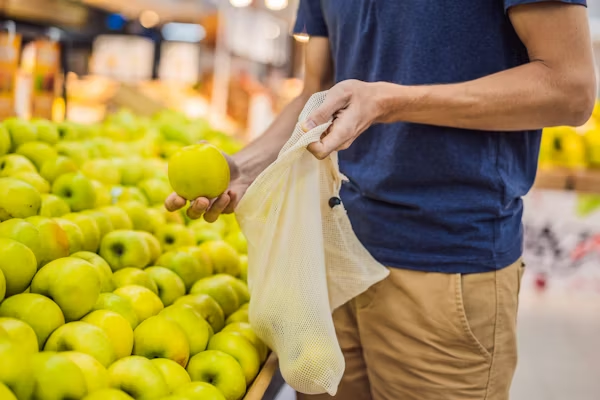
Wash all vegetables thoroughly under running water — not a quick rinse, but scrubbing leaf surfaces actively. For leafy vegetables like ugu and waterleaf that have maximum surface contact with floodwater and soil, the WHO recommends washing with clean, safe water and where possible a dilute salt solution to reduce surface bacterial load.
Cook vegetables thoroughly where possible. Heat kills pathogens that washing may miss. Raw salads and uncooked leafy vegetables carry a higher risk during high-contamination periods.
Know where your food comes from where you can. Market vendors who source from farms outside directly flooded zones carry lower risk than those sourcing from riverbank or floodplain farms. Asking is not unreasonable and increasingly, knowing your food source is one of the most practical food safety steps available.
The food on your plate this September grew through something exceptional. Treating it accordingly is not paranoia. It is basic, evidence-backed caution.
Jay Water Advisory is committed to promoting sustainable water and environmental practices for communities across Nigeria and beyond.


Leave a Reply