
By Jay Water Advisory
Nobody thinks of themselves as someone who harms the environment. That is something factories do. Oil companies. Industries. Not ordinary people going about their day.
But look closely at a typical day in a typical Nigerian household, and the picture gets more complicated.
The double nylon bag from each stall at the market. The sachet water torn open and dropped. The generator running through the evening. The waste swept to the corner of the compound and set alight before dark. None of these feel significant on their own. But multiply each one across millions of households, and the impact becomes very real — and very measurable.
The Nylon That Never Goes Away
Over 60 million plastic sachet water bags are consumed and disposed of daily in Nigeria. Single-use plastics, shopping bags, and takeaway packs are everywhere, ending up on land and in the environment because of indiscriminate disposal and the popular practice of dumping waste in drainage channels during rainfall.
That nylon bag you dropped or swept into the gutter does not disappear. It sits in the drain until rain carries it into a waterway. It blocks drainage channels and contributes to the flooding that sweeps through neighbourhoods every rainy season. Over time, it breaks into the microplastics now found in boreholes across Nigeria.
One bag feels like nothing. But there is no such thing as just one bag.
The Burn Pile at the Back of the Compound
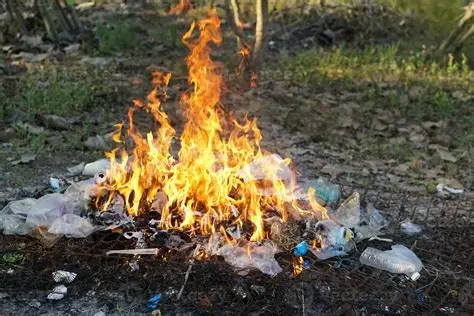
When the waste bin overflows or collection does not come, the instinct is to burn it. It gets rid of the problem quickly. But what it releases into the air is not quick to go away.
Open burning of plastic releases toxic fumes, such as dioxins and furans, which can cause respiratory illnesses and cancer. Clogged drains create breeding grounds for mosquitoes, contributing to malaria. Contaminated water from plastic waste in drainage systems leads to cholera and typhoid.
The smoke that drifts from a burn pile does not stay in your compound. It travels into your neighbour’s window, into the lungs of children playing nearby, and into the atmosphere. The air quality consequences of open burning in densely populated communities are both immediate and long-lasting.
The Generator Running All Evening
The generator is a fact of Nigerian life, but its environmental cost is rarely counted at the household level.
Every litre of petrol burned releases carbon dioxide, carbon monoxide, and fine particulate matter directly into the surrounding air. A generator running for five hours a day, every day, adds up to a significant individual emission footprint, and across millions of households doing the same thing simultaneously, the collective effect on the environment is astronomical. The heat, the fumes, and the noise are all household-level decisions with neighbourhood-level consequences.
The Cemented Compound
This one surprises most people. Cementing your compound feels like an improvement — cleaner, more modern, easier to maintain. And it is not wrong to want that.
Every square metre of cemented ground is a square metre that can no longer absorb rainwater and channel it down to the aquifer your borehole draws from. When a lot of compounds in a neighbourhood are fully cemented, the collective impact on groundwater recharge becomes measurable and felt most acutely in harmattan when boreholes run low.
But Here Is the Other Side of That
If ordinary habits can quietly damage the environment, ordinary habits can also quietly help it.
Indiscriminate disposal and poor management of plastic are fuelling a pollution crisis, but individual behaviour change at the household level remains one of the most direct levers available for reducing plastic’s path into water and land.
Carrying a bag to market instead of collecting nylon each time. Separating plastic from food waste before disposal. Running the generator two hours less by using a solar lamp for lighting. Leaving a strip of open soil in the compound for rainwater to percolate. Composting vegetable peels instead of adding them to the burn pile.
None of these actions will single-handedly fix anything. But the environment you live in is the sum of what millions of households are doing daily and that means every household that does things differently is contributing to a different outcome.
It starts with industry and policy, yes. But it also starts at home. And home is the one place where you have direct, immediate control.
Jay Water Advisory is committed to promoting sustainable water and environmental practices for communities across Nigeria and beyond.


Leave a Reply