By Jay Water Advisory
You cannot see them. You cannot taste them. But chances are, you have been drinking them.
Microplastics. There are tiny fragments of plastic smaller than a grain of rice, that have been found in drinking water sources across Nigeria. Not just rivers. Not just tap water. Your borehole too.
So What Exactly Are Microplastics?
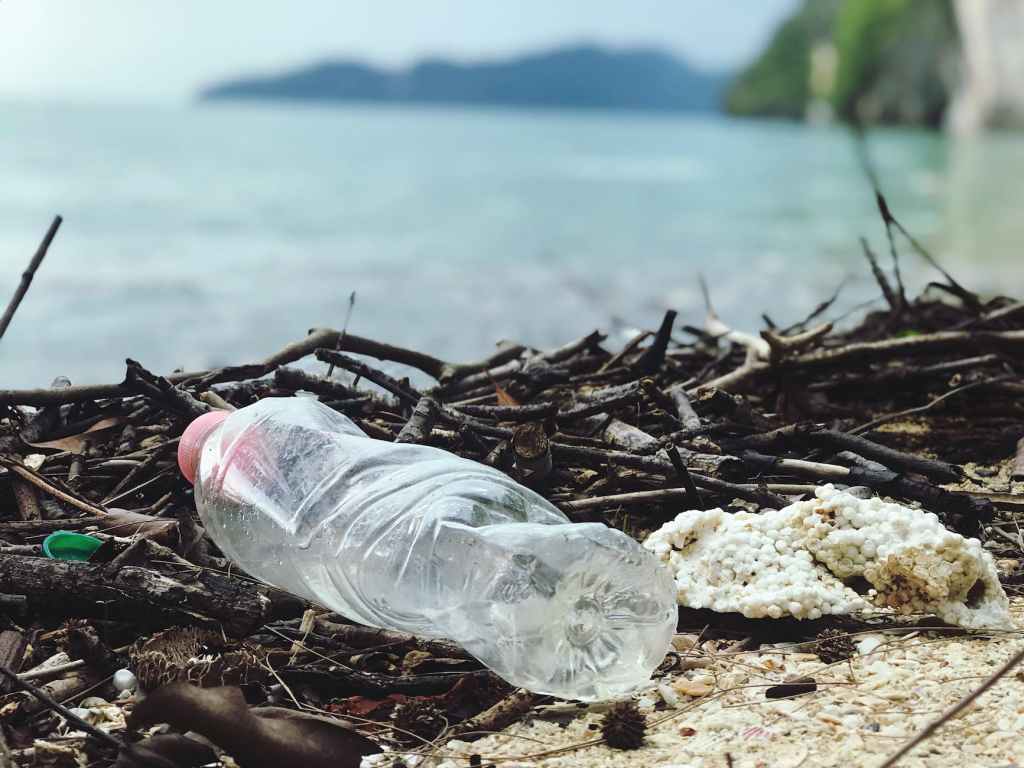
Think of every plastic bag, bottle, and sachet that gets dumped, burned, or swept into a drain. Over time, heat and sunlight break these down into tinier and tinier pieces until they are too small to see but still very much there. Those fragments eventually find their way into soil, rivers, and groundwater.
Some microplastics also come from everyday products. The fibres shed when you wash synthetic clothing, or the tiny beads in some soaps and scrubs. They go down the drain and rarely get fully filtered out.
What Nigerian Research Is Finding
A study found microplastics in borehole drinking water and sediments at all 11 locations investigated on Lagos Island with concentrations ranging from 206 to 1,691 plastic items per cubic metre of water. Areas with higher industrial activity had higher levels.
As of 2018, 60% of Nigerians depend on groundwater for drinking water with 73% in rural areas and 45% in urban areas. The fact that microplastics were found at every single location tested in Lagos is not a small detail.
It is not just Lagos. A study of borehole water in Birnin Kebbi, Kebbi State found microplastics present across all sampled locations too with researchers concluding that the pollution poses a genuine health risk to borehole consumers in the area.
And sachet water is not automatically safer. Research has consistently detected microplastics in packaged water across Nigeria, introduced through both the plastic packaging itself and the source water used in production.
Should You Be Worried?
Honestly — yes, but without panic.
Research has linked microplastic exposure to inflammation, hormonal disruption, and in laboratory studies, cell damage. Scientists are still studying the full picture of what long-term exposure does to human health. But what is already clear is that regularly drinking water containing microplastics, day after day, year after year, is not something to dismiss.
The concern is not one glass of water. It is the accumulation over a lifetime.
What You Can Do Right Now
Filter your drinking water. A basic cloth filter does not remove microplastics — the particles are simply too small. A filter with activated carbon or reverse osmosis capability does a much better job. It also addresses possible bacterial contamination in the borehole — two problems, one solution.
Keep plastic out of the sun. Storing water in plastic containers left in direct sunlight speeds up the breakdown of plastic into the water inside. Use glass or stainless steel containers where possible, or keep plastic containers in the shade.
Reduce plastic waste around you. Every piece of plastic that ends up in a drain or open ground is a future microplastic. Cutting down on single-use plastics, directly reduces the amount that eventually enters water sources.
Microplastics are not a future problem. They are already in the water many people are drinking today. Knowing that is not meant to frighten you, it is meant to help you make better decisions about the water you give yourself and your family.
Jay Water Advisory is committed to promoting sustainable water and environmental practices for communities across Nigeria and beyond.
 Jay water advisory
Leave a comment