By Jay Water Advisory
It started as ordinary rain.
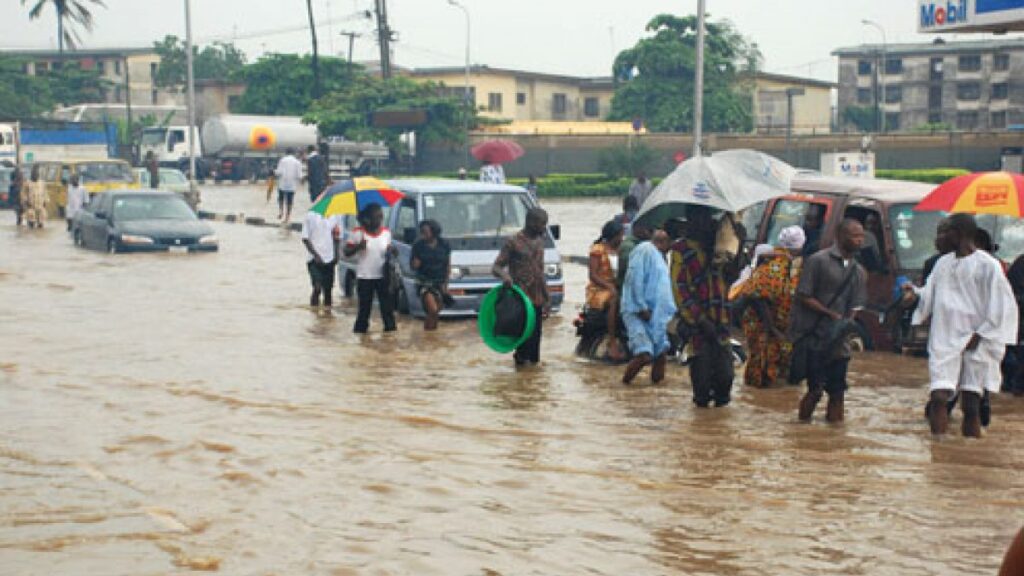
Within an hour, the road outside was a river. Vehicles stalled. Pedestrians waded knee-deep through brown water carrying plastic bags, food wrappers, and things nobody wanted to think about too closely. By evening, floodwater had entered homes. Electricity was out. Children could not get to school. Transport fares doubled overnight because drivers who could still move knew they had leverage.
The question worth asking is not just why it happens. It is why it keeps getting worse.
The Rain Is Not the Same Rain It Used to Be
Long-term meteorological records show a clear shift in Nigerian rainfall patterns, moving away from steady, spread-out seasonal rain toward more intense, short-duration storm events. The difference matters enormously for drainage systems. A drainage channel designed to handle rainfall spread over several hours can be overwhelmed in twenty minutes by a storm that drops the same volume all at once.
The 2026 Annual Flood Outlook produced by the Nigeria Hydrological Services Agency identified 14,118 communities across 266 Local Government Areas as falling within high flood-risk zones. This figure reflects not just geography but the collision of intensifying rainfall with infrastructure that was never designed for it.
Rainy season in many parts of West Africa has been predicted to have above average rainfalls during the rainy season in 2026, with high flood risks between July and September. This means the heavy rainfalls are only just beginning.
The Drains Were Already Failing Before the Rain
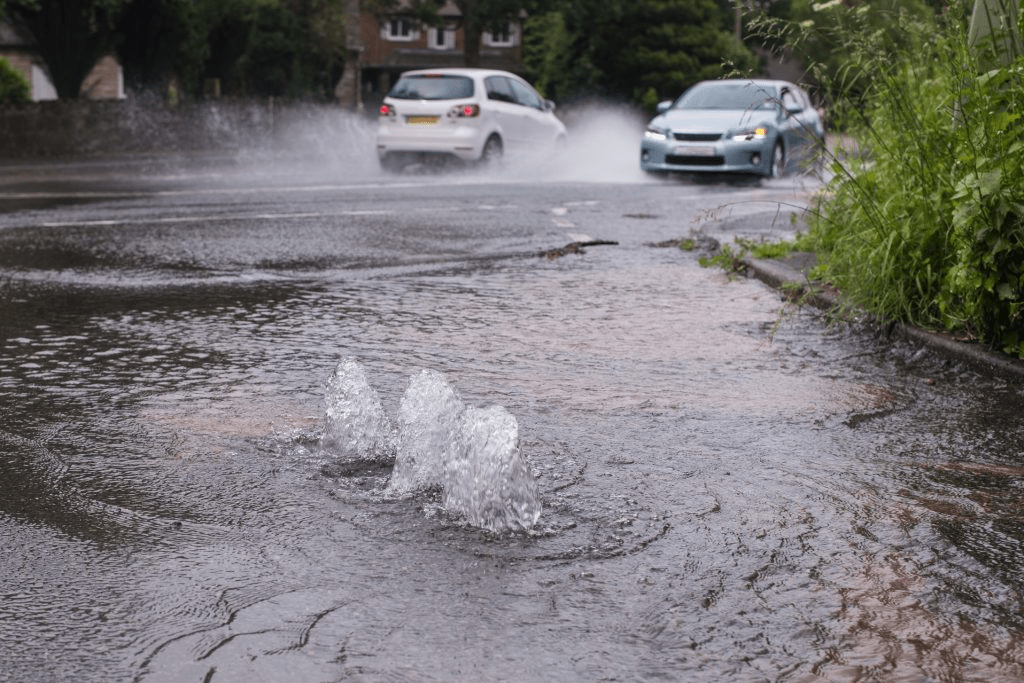
Heavy rainfall isn’t the only reason why cities in Nigeria are flooded. The non-functioning drainage systems play a major role in flooding. The drains are either blocked, deteriorated or entirely absent. A study found that 65.89% of flood events in surveyed areas were directly linked to non-functional drainage.
The primary culprit for blocked drains is plastic waste. Refuse washed into drainage channels contributes directly to blockages, causing floodwater to remain on roads for several hours after rain has stopped. The connection between your household waste habits and your flooded street is direct and measurable.
Many drainage systems are designed based on historical precipitation norms that do not reflect current rainfall intensity and land use patterns. This means even a perfectly maintained drain from thirty years ago is undersized for what falls on it today. Maintaining a broken system is not enough. The system itself needs rethinking.
Concrete Everywhere, Soil Nowhere
Rapid and largely unplanned urbanisation has replaced permeable natural surfaces with impermeable concrete and asphalt, dramatically increasing the speed and volume of stormwater reaching drainage systems. Soil absorbs rainfall. It slows water down, channels it underground, and feeds the aquifers that boreholes draw from. Concrete does none of this. It sends every drop of rain straight to the nearest drain at full speed.
Flooding in urban areas in Nigerian cities is worsened by uncontrolled urbanisation, inadequate or absent drainage systems, inadequate waste management, and weak land use planning laws. Houses built on natural floodplains remove the very buffer that protects the surrounding community. When those floodplains are gone, the water that would have soaked into them now has nowhere to go except into someone’s living room.
What Actually Needs to Happen
Experts say long-term solutions include expanding drainage networks, protecting wetlands, enforcing planning regulations, improving waste management, and increasing public awareness.
Stop blocking the drains. This is the most immediate and most individual contribution anyone can make. Do not sweep waste into gutters. Do not dump refuse near drainage channels.
Protect permeable surfaces. Every square metre of open soil retained in a compound or neighbourhood is a square metre that can absorb rainfall rather than channel it to an already overwhelmed drain.
After flooding, test your water. Floodwater carries contamination directly into boreholes and wells. Do not assume your water source is safe after a flood simply because it looks normal. Boil, treat, and test before resuming normal use.
Why 2026 Feels Different
Every rainy season, flooding returns to Nigerian cities. But in 2026, many residents say the situation has become worse than in previous years and they are not wrong. The combination of above-normal rainfall intensity, decades of drainage infrastructure left to deteriorate, continued construction on floodplains, and the compounding effect of rising sea levels on coastal communities has created conditions where the old coping strategies are no longer enough.
Flooding of this scale is not simply a weather event. It is the result of accumulated decisions about where to build, what to do with waste, how to manage drainage, and how seriously to take climate adaptation made over many years. The rain is the trigger.
That does not mean nothing can be done. It means understanding that what can be done goes beyond waiting for the rain to stop.
Jay Water Advisory is committed to promoting sustainable water and environmental practices for communities across Nigeria and beyond.
 Jay water advisory
Leave a comment