By Jay Water Advisory
When a city floods, the conversation almost always goes straight to the rain. Too much of it, too fast and that is only part of the story.
But there is an infrastructure layer underneath that conversation that rarely gets the attention it deserves. Before a drop of rain becomes a flood in your street, it has to fail its way through an entire system of structures (channels, culverts, drains, and ponds) that were built specifically to stop it from getting there.
Understanding those structures, what they are supposed to do, and why they keep failing in the Nigerian context, is the beginning of a more honest conversation about flooding.
What Hydraulic Structures Are
A hydraulic structure is any built structure that controls, directs, stores, or measures the flow of water. For flood management specifically, the most relevant ones are the everyday infrastructure that surrounds Nigerian urban communities of which most of it is underground or easily overlooked and noticed only when it fails.
Here is what each one does in plain terms.
Drainage Channels — The First Line
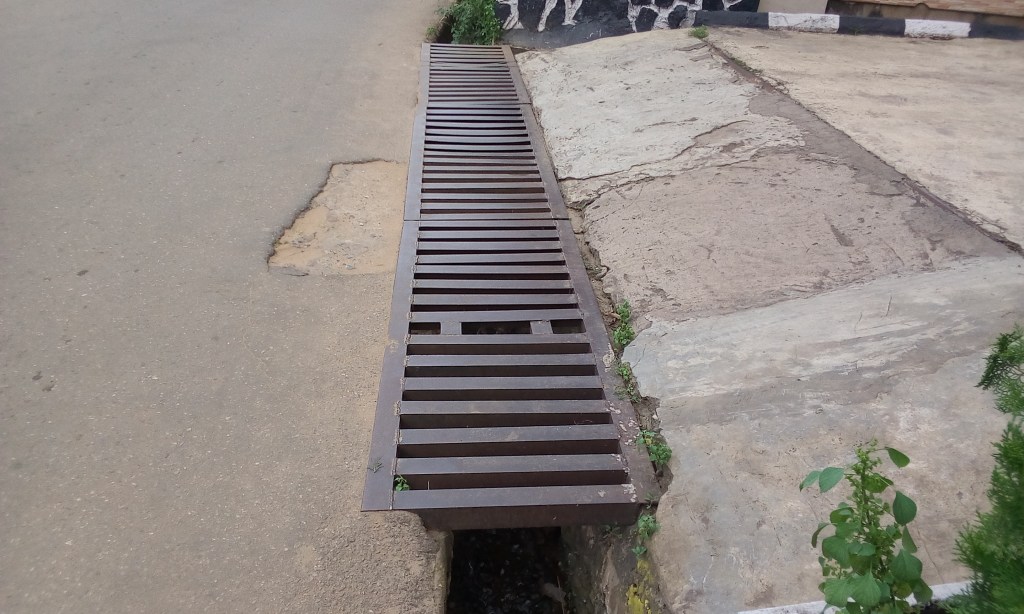
A drainage channel is an open or covered conduit that collects surface runoff, the water that flows across roads, compounds, and open ground during rainfall, and carries it away to a discharge point, usually a river, lagoon, or larger stormwater system.
When a drainage channel is properly sized, clear of obstruction, and well-maintained, it manages moderate rainfall efficiently. Water enters, flows along the channel gradient, and exits before it backs up onto the road or into homes.
In most Nigerian urban areas, none of those conditions consistently apply. Channels are routinely blocked with solid waste such as plastic bags, sachets, food packaging, and sometimes sand which accumulates between rainy seasons and is often times not cleared before rains arrive. Many drainages were not designed to carry the volume of stormwater for heavy rainfalls.
Culverts — The Structures Nobody Sees Until They Fail
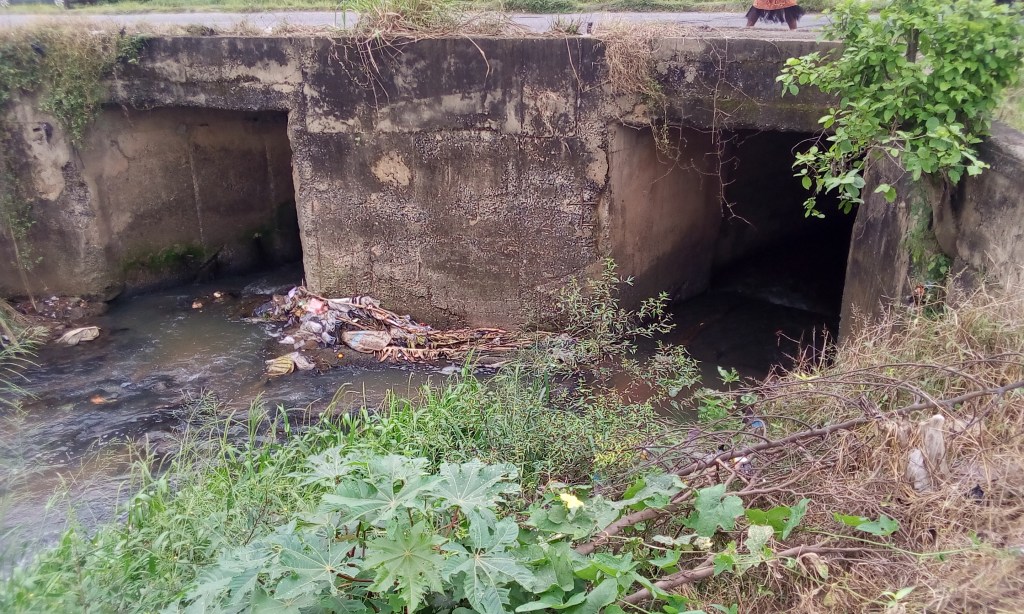
A culvert is a tunnel-like structure that allows water to flow under a road, railway, or embankment without interrupting the surface above. You pass over culverts every day on Nigerian roads without knowing they are there until they fail and the road floods or collapses.
Culverts fail for two main reasons. The first is undersizing. A culvert built to carry the peak flow expected from historical rainfall patterns cannot cope with the more intense, concentrated storms that climate change is producing.
The second reason is blockage. The same solid waste that chokes drainage channels accumulates at culvert inlets, reducing or completely blocking water flow. A culvert reduced to half its capacity by debris at the inlet causes flooding upstream that a properly functioning culvert would have prevented entirely.
Retention Ponds — The Buffer That Most Cities Are Building Over
A retention pond, also known as a detention basin, is a reservoir designed to temporarily hold excess stormwater during and after heavy rainfall, releasing it slowly into the drainage system once the rain has passed and the channel capacity has recovered.
The problem in Nigerian cities is that the natural retention areas such as the wetlands, floodplains, low-lying open ground, that historically performed this function have been systematically built over. Rapid urbanisation has replaced permeable natural surfaces with concrete and structures, removing the buffer capacity that the drainage system depends on.
Why the System Keeps Failing
The honest answer is that it is not one failure. It is a combination of several things happening simultaneously.
Structures are undersized for current rainfall intensity. They are not maintained consistently, so they deteriorate and get blocked between seasons. The natural systems that complemented them, wetlands, permeable soil, and floodplains, have been removed by development. And the rainfall itself is becoming more intense and less predictable.
Addressing any one of these in isolation produces limited results. The drainage channel cleared of waste still overflows if it is undersized. The properly sized culvert still fails if the wetland it was designed to drain into has been built over. The retention pond still cannot function if it has silted up from years without dredging.
Flood control infrastructure works as a system, and a system is only as strong as its weakest component.
What This Means for You
Two things of all that has been discussed are entirely within individual and community control.
The second is land use. Retaining permeable surfaces such as soil, grass, and trees in compounds and communities preserves natural infiltration capacity that complements engineered drainage systems. Every square metre of open ground retained is a square metre that absorbs rainfall rather than channelling it to an already overwhelmed drain.
Jay Water Advisory is committed to promoting sustainable water and environmental practices for communities across Nigeria and beyond.
 Jay water advisory
Leave a comment