By Jay Water Advisory
The moment water goes down your drain, it stops feeling like your concern.
You used it. You are done with it. It is gone.
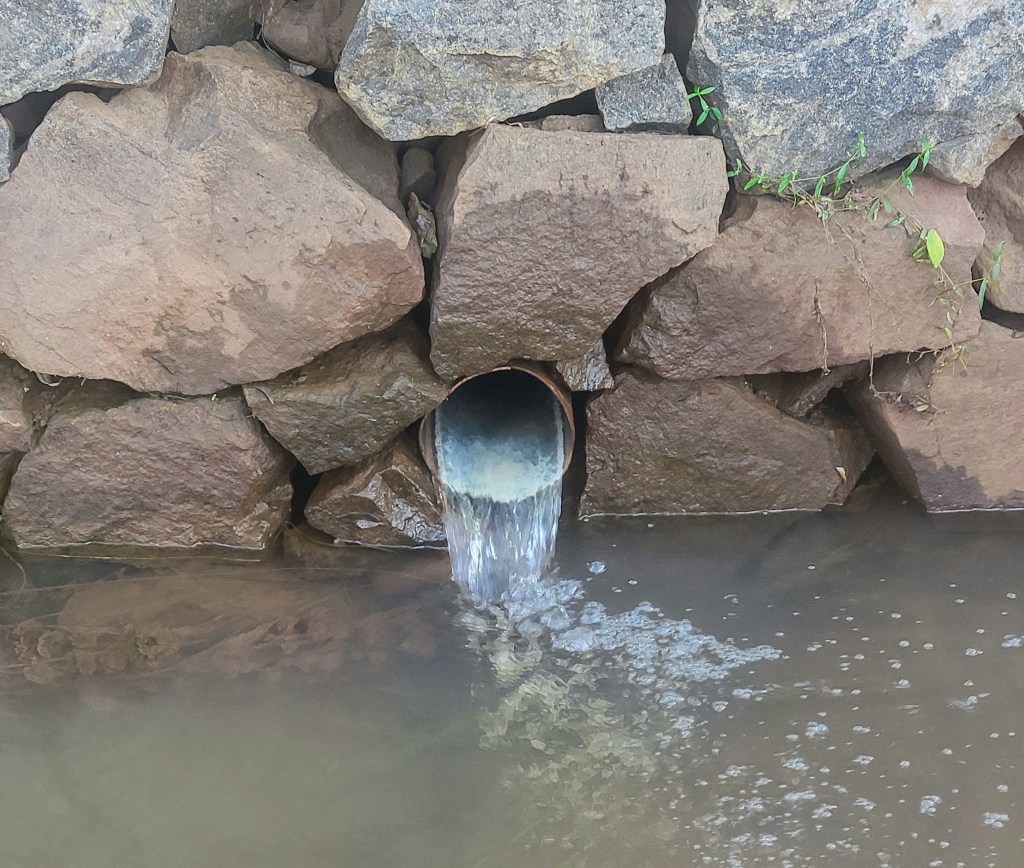
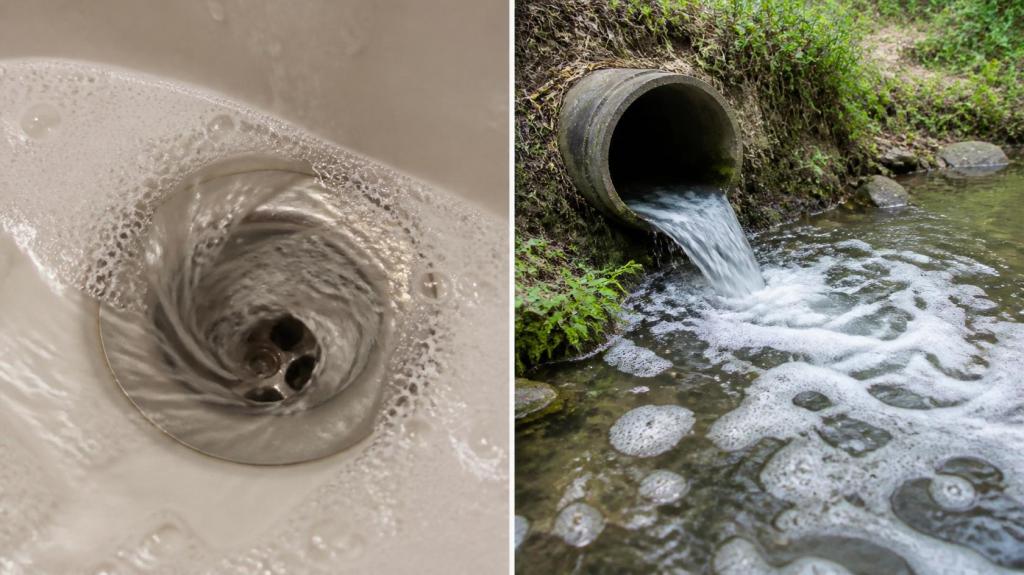
Except it is not gone. It has simply moved into the drain outside your compound, into the gutter running along your street, into the stream at the end of the road, and eventually into the groundwater that your neighbour’s borehole draws from. Wastewater does not disappear. It travels. And wherever it travels without being treated, it leaves damage behind.
Nigeria Produces Enormous Volumes of Wastewater Every Day
Every household, every school, every market, every factory, and every hospital in Nigeria produces wastewater daily. The combined volume is staggering — and Nigeria currently has no comprehensive national system for collecting, treating, and safely disposing of it.
What exists instead is a patchwork. Some high-income communities and large institutions have septic tanks or treatment facilities. Most households have pit latrines or soakaway pits that overflow during rain. Factories frequently discharge directly into waterways. And the majority of greywater, the relatively less contaminated water from sinks, showers, and laundry, flows straight into open drains with nowhere safe to go.
The result is that Nigeria’s rivers, streams, and groundwater are highly contaminated, not primarily because of industrial pollution, though that is real, but because of the accumulated daily output of millions of households whose wastewater has never been treated.
It Is Not Just a Sanitation Problem — It Is a Water Problem
Wastewater and drinking water feel like separate systems. The water you flush goes one way; the water you drink comes from another. In a well-functioning city with proper sewage networks and treatment plants, that separation is real. In most Nigerian communities, it is not.
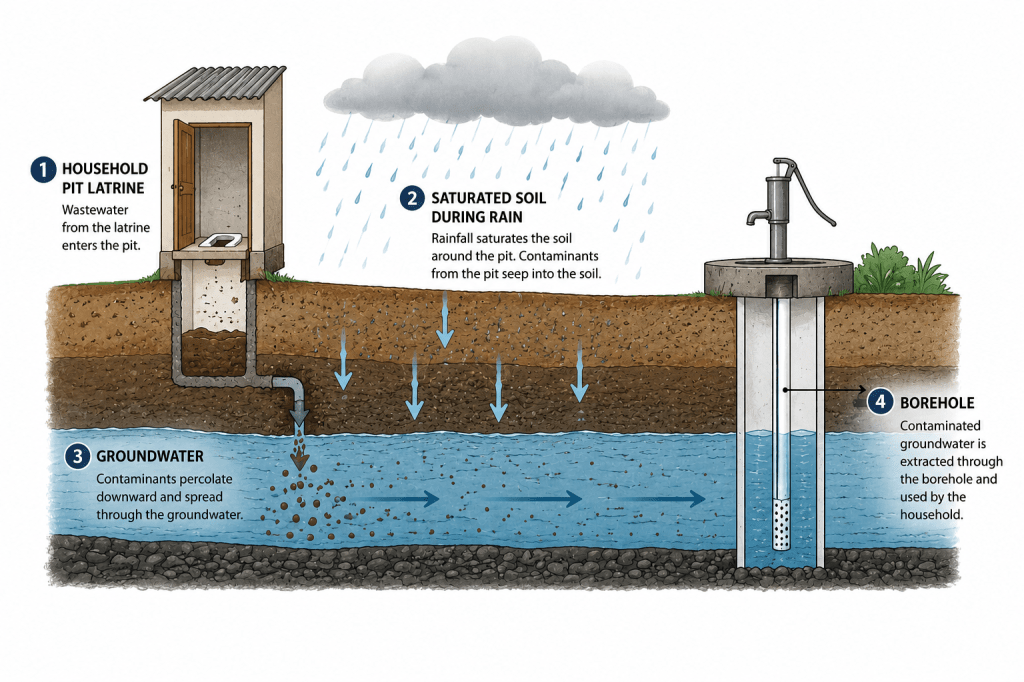
Borehole contamination is largely a wastewater problem. The faecal bacteria found in borehole water across every region of Nigeria got there because wastewater from pit latrines, soakaway pits, and open drains moved through the soil and into the groundwater. The microplastics turning up in boreholes, entered the water system as part of the same flow.
Flooding makes this dramatically worse. When floodwater sweeps through a neighbourhood across cities in Nigeria, it does not just carry rainwater. It carries the contents of every overflowing pit latrine, every backed-up soakaway pit, every drain running with untreated household waste. That mixture spreads across compounds, into borehole heads, into low-lying wells, and into the water that families will use to cook and drink once the flood recedes. Every flooding event in a community with poor sanitation infrastructure is simultaneously a public health emergency.
The People Paying the Price
Over 70,000 Nigerian children under five die every year from water-related diseases. Cholera, typhoid, and dysentery, all waterborne, all preventable, all directly linked to the cycle of untreated wastewater entering the water sources communities depend on.
The economic cost compounds the human one. As of 2012, Nigeria was losing an estimated NGN455 billion, equivalent to $3 billion, annually due to the health consequences of poor sanitation and contaminated water, including medical costs, lost productivity, and the days when workers and students cannot function because they are ill. Every naira spent treating cholera or typhoid is a naira that could have been invested in treatment infrastructure that would have prevented the disease in the first place.
What Has to Change
The scale of Nigeria’s wastewater challenge is a system-level problem. It requires investment in sewage networks, functional treatment plants, and industrial effluent regulation that is actually enforced. No individual household can solve that alone.
But the conversation has to start somewhere. And it starts with recognising that wastewater is not someone else’s problem the moment it leaves your drain. It is a shared resource (shared risk, shared consequence, shared responsibility).
At the community level, maintaining proper separation between sanitation facilities and water sources, avoiding discharge of household waste into open drains near streams or boreholes, and reporting industrial discharge violations to NESREA are all within reach. At the household level, testing your borehole, especially after flooding, is the most direct protection available.
And at every level, understanding the connection between what goes down the drain and what comes up from the borehole is the beginning of demanding something better.
Jay Water Advisory is committed to promoting sustainable water and environmental practices for communities across Nigeria and beyond.
 Jay water advisory
Leave a comment