By Jay Water Advisory
When a neighbourhood floods, the conversation almost always stops at the water itself. How high it got. Which roads were blocked? When will it drain?
What rarely gets counted is what happens in the weeks after the water recedes. When the hospitals start filling up.
Flooding and Disease Are the Same Crisis
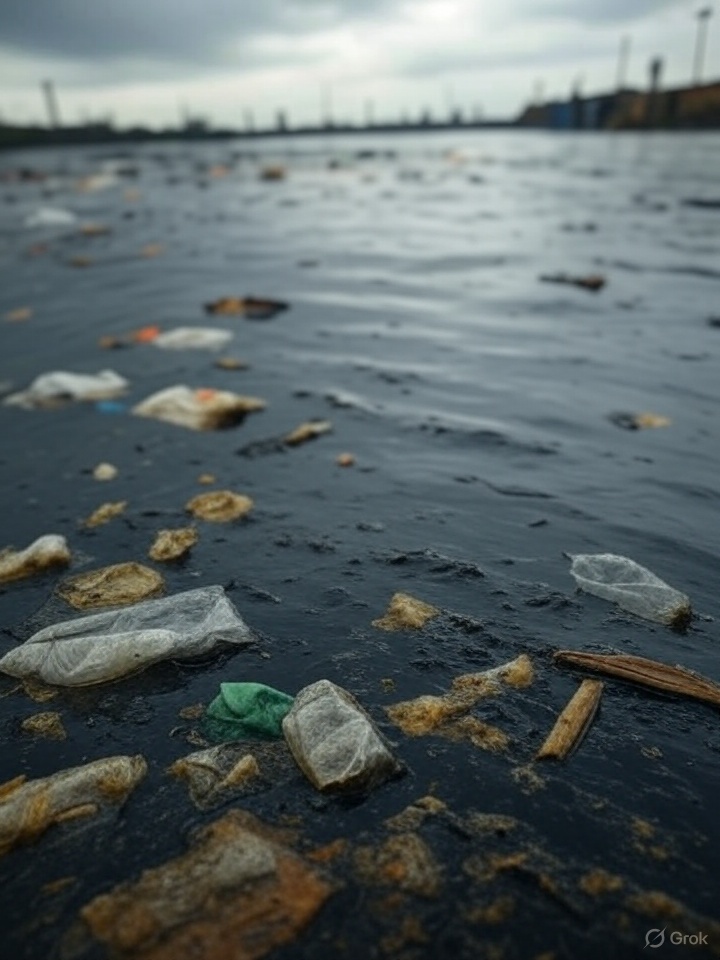
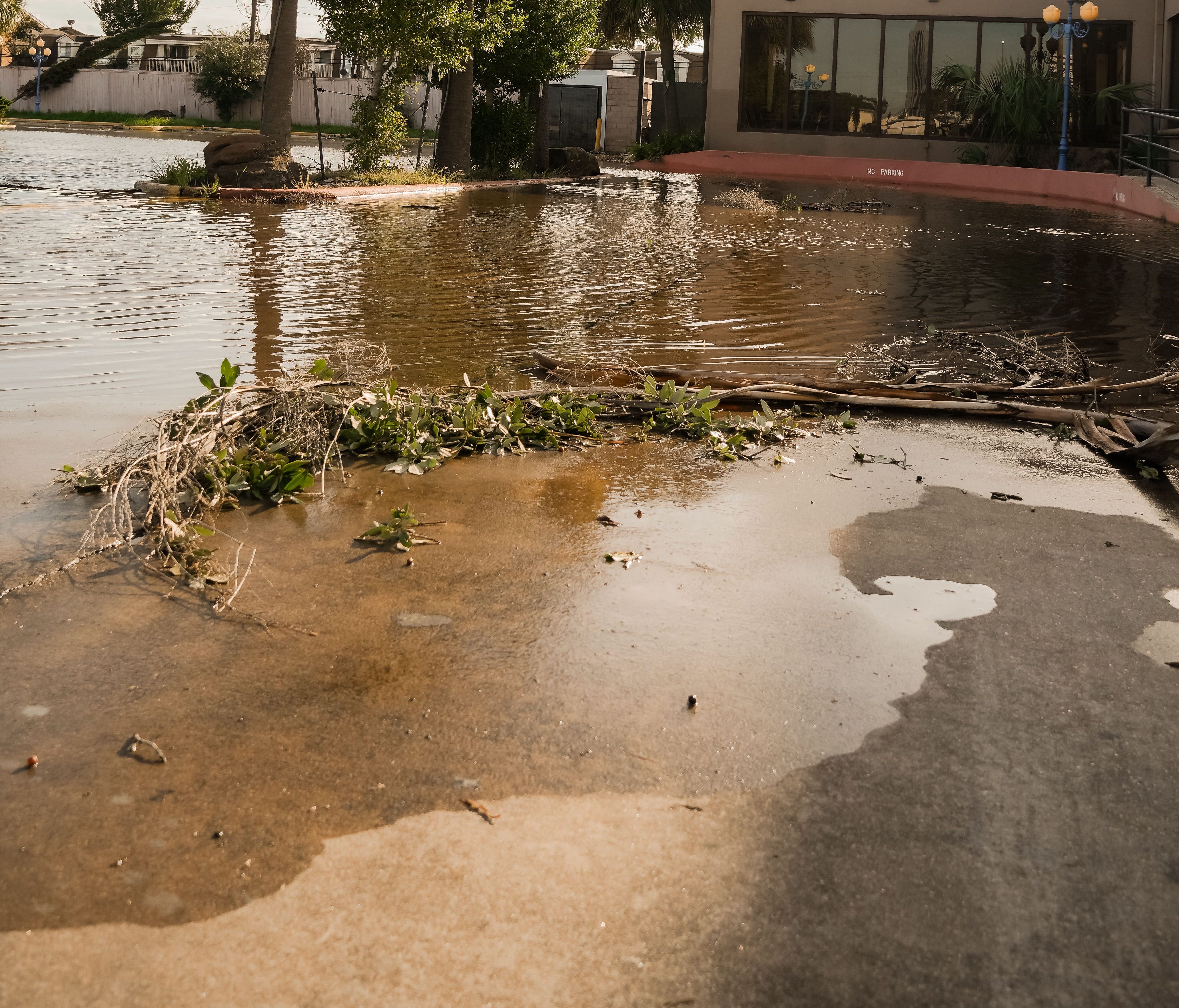
Floodwater in most Nigerian communities is not just rainwater. By the time it is sweeping through your street, it has already picked up the contents of overflowing pit latrines, backed-up drains carrying raw sewage, and wastewater from households with nowhere safe to send it.
That mixture does not stay on the road. It soaks into the soil. It enters borehole heads through cracked casings and loose caps. It sits in low-lying wells. And when the flood recedes, and people return to using their water sources, many of them are now contaminated, and the disease cycle begins.
The evidence from 2026 alone is stark. As of June 4, 2026, Nigeria had already recorded 7,233 suspected cholera cases and 46 deaths, with UNICEF warning that the onset of the rainy season was likely to further increase contamination of water sources. That warning proved correct. By late July, suspected cholera cases in Borno State alone had surged past 35,500, with 198 deaths recorded, with Médecins Sans Frontières (MSF) describing the scale of infections as putting severe strain on healthcare facilities and stretching emergency response efforts to their limits.
The Nigeria Centre for Disease Control placed 10 states on high alert in April over the risk of cholera outbreaks linked to heavy rainfall and flooding, and the outbreak has been fuelled directly by the onset of the rainy season and compromised water infrastructure. The flooding happening across Nigerian cities right now is not separate from this disease crisis. It is the same crisis, seen from two different angles.
Cholera is just the most visible disease in this chain. Typhoid, dysentery, hepatitis A, and diarrhoeal illness follow the same contaminated water pathway, and together they account for a significant proportion of hospital visits, school absences, and deaths in Nigerian communities every single rainy season.
The People Paying the Price
Over 70,000 Nigerian children under five die annually from waterborne diseases like diarrhoea, diseases preventable with access to safe water and improved hygiene. These are children whose communities do not have the infrastructure to keep floodwater out of drinking water.
Most residential areas do not have drainage system with sufficient capacity to prevent stormwater and rely on natural channels, the same channels that overflow during heavy rain and spread contamination across entire neighbourhoods. Some households, especially in rural and peri-urban communities rely on unsafe water sources such as shallow wells or contaminated surface water, often exposed to faecal contamination, with poor waste management, widespread open defecation, and limited access to hygiene materials, further facilitating disease transmission.
The Economic Cost Nobody Is Adding Up
Sick communities are expensive communities and not in ways that are easy to see until you look at the full picture.
When a child gets cholera after flooding, the immediate cost is treatment with hospital visits, medication, and rehydration therapy. But the costs beyond that are just as real. Parents miss work to care for sick children. Children miss school. Workers who fall ill lose income.
The 2024 floods alone destroyed 180,000 farmlands with approximately 1.3 million hectares of crops. The losses increased food insecurity in certain communities in 2025 and are still trying to recover from them in 2026. In Borno State alone, the cholera treatment response has required MSF to expand its treatment centre from 121 to 271 beds and open an entirely new treatment unit.
As of 2022, the cost of treating infections due to poor hygiene and poor access to clean water was US$ 4.5 billion which was 0.94% of Gross Domestic Product in 2022. These are resources that would not have been needed if water and sanitation infrastructure had protected communities from contamination in the first place.
What Connects All of It
The thread running through flooding, contaminated water, waterborne disease, and economic loss is the same in every case. Wastewater that was never properly managed, meeting water sources that were never adequately protected, in communities whose drainage systems were not built to handle the rainfall intensity we get yearly.
They are the same problem, and the solution runs through all of them simultaneously: better drainage, better sanitation, better protection of water sources, and communities that understand the connection between what goes into the drain and what comes out of the borehole.
What you can do right now:
- After any flooding, stop using your borehole for drinking until it has been flushed and tested — see full guide here
- Keep waste out of drains and gutters. Every blocked drain makes the next flood worse and spreads contamination further
- Boil all water used for drinking and cooking during and after flood season, not just when the water looks different
Jay Water Advisory is committed to promoting sustainable water and environmental practices for communities across Nigeria and beyond.
 Jay water advisory
Leave a comment