By Jay Water Advisory
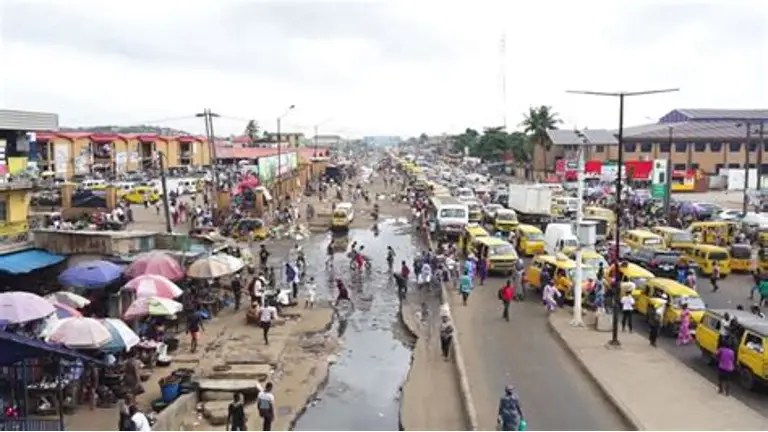
Every August, a familiar feeling settles across southern Nigeria. The rain eases. The air cools slightly. The relentless drumming on zinc rooftops pauses. People breathe out.
This is the August Break. Some call it the August drought. Nigeria’s annual mid-rainy-season dry spell that arrives in the south while the north remains wet. It has a reputation as a moment of relief.
The August Break is a marked interruption in the rains that occurs during August in the south, resulting in a short dry season. August Break is caused by the temporary southward shift of the Inter-Tropical Convergence Zone, the band of atmospheric activity that drives rainfall across West Africa. As this zone shifts, the southern states experience a brief rest while rainfall continues or even intensifies in the middle belt and north.
What Is Actually Happening Right Now
Just days ago, NiHSA warned of a rising flood threat across the country, identifying 27 states as being at high risk of flooding between July 30 and August 5, 2026, with 53 key river monitoring stations currently at risk, including critical locations on the Katsina Ala River, the Aye River, and the River Niger at Onitsha.
Floodwaters were expected to peak around August 1, with the IFRC classifying Nigeria as “High Risk Prepare” and warning that 6.51 million people are exposed to imminent flood risk, particularly in vulnerable riverine and coastal communities. NIHSA’s 2026 Annual Flood Outlook projects that approximately 250,788 square kilometres of Nigeria could be inundated this year.
The August Break brings drier skies in the south. It does not drain the rivers. It does not clean the boreholes. It does not undo the soil saturation that weeks of heavy rain have built up. As a senior NIHSA hydrologist noted just last week: “July, August and September are the peak rainfall months. The soil is saturated and river levels are rising, increasing the likelihood of flooding.“
Why the August Break Is Actually Your Best Opportunity
If the August Break is not a moment of safety, it is something more valuable. A moment of preparation. The rain has eased enough to act, but the second season is coming regardless.
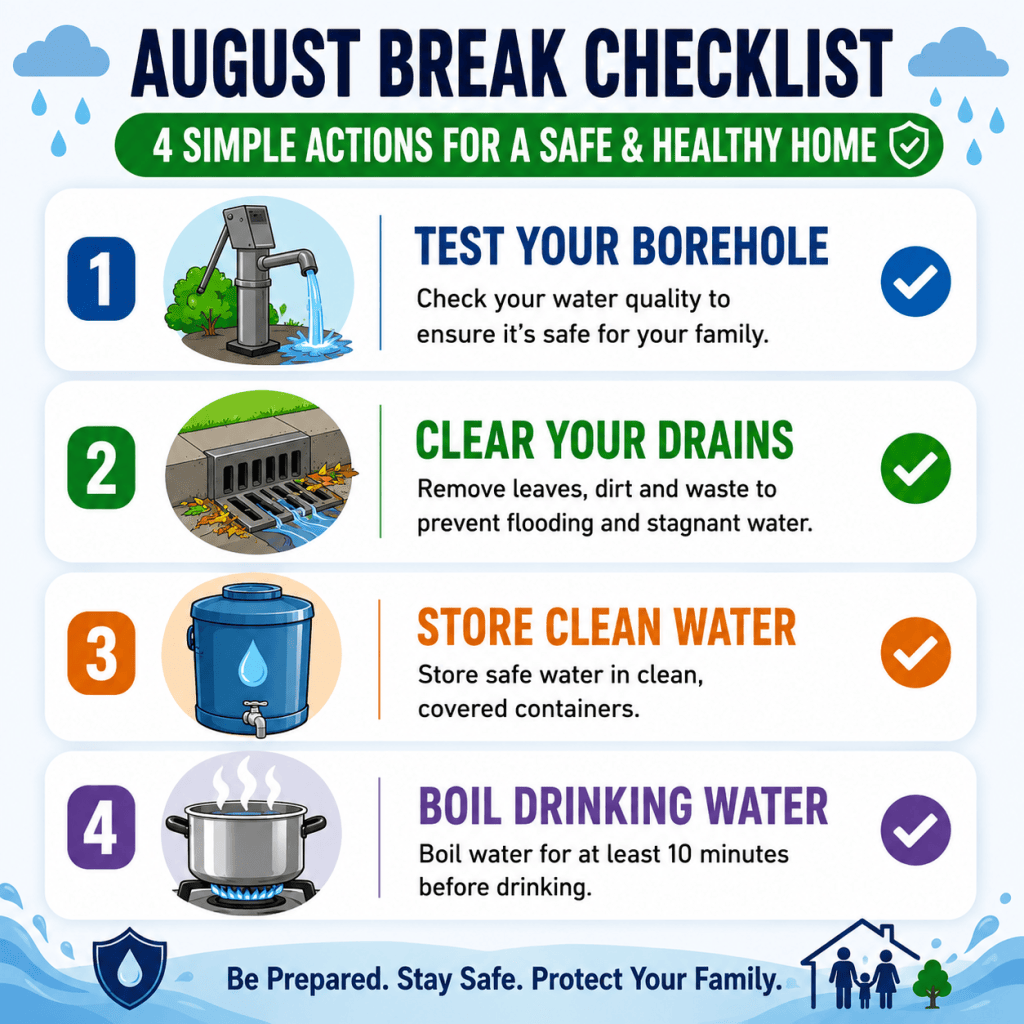
Here is exactly what to do during this window:
1. Check and seal your borehole. The flooding of the past weeks has almost certainly introduced contamination pathways into groundwater across affected communities. If your compound was flooded or your borehole was submerged at any point since July, do not wait, flush the system and test it before resuming normal use for drinking and cooking. While you are at it, inspect the borehole cap. Tighten it, reseal it, and check that the casing around the wellhead has not cracked or shifted during the flooding period.
2. Clear your drains — now, while it is dry enough to do it properly. The blocked drainage channels will not clear themselves between rains. The August Break is the easiest window you will get before October to remove the accumulated plastic waste, silt, and debris that is reducing your local drain’s capacity.
3. Store clean water now. The second rainy season typically brings heavier, more concentrated rainfall than the first. Having treated water stored in sealed, clean containers going into September means your household has a buffer if your water source becomes unreliable again during the next wave.
4. Boil your drinking water until you have tested your source. If your borehole or well was anywhere near flooded areas in the past month, and given that 27 states are currently under flood risk warning, treat all drinking water as potentially contaminated until testing confirms otherwise. Boiling kills the bacteria and pathogens that floodwater introduces. It takes two minutes and costs almost nothing. The diseases it prevents cost far more in treatment, time, and suffering.
What September Will Bring
The second rainy season resumes in September with a different character to the first, typically shorter, more intense bursts of rainfall concentrated over fewer weeks. After months of saturated soil, the ground has limited capacity to absorb more. Rivers are already high. Drainage systems are already stressed.
The rains will return. The question is whether your home, your borehole, and your community are more ready for them than they were in July.
Jay Water Advisory is committed to promoting sustainable water and environmental practices for communities across Nigeria and beyond.
 Jay water advisory
Leave a comment