By Jay Water Advisory
Stand in any Nigerian compound right now and press your foot into any patch of open soil. If it has not been cemented over, it will give slightly under your weight. The soil has become soft, heavy, and wet in a way it was not in March.
Soil is not just dirt. Healthy soil is full of tiny air pockets and channels created by roots, worms, and microorganisms that allow water to move through it. When rain falls on healthy soil, a significant portion soaks in, moving downward to replenish the groundwater that boreholes draw from. The rest moves more slowly across the surface, giving drainage systems time to handle it.
When soil becomes saturated (every available air pocket and channel is already full of water), it loses that absorbing capacity almost entirely. Rain that falls on saturated soil has nowhere to go except across the surface, moving fast, carrying whatever it picks up with it.
July, August, and September are the peak rainfall months in Nigeria. The soil is saturated and river levels are rising as NIHSA’s senior hydrologist confirmed just last week. This is not a localised problem.
What Saturated Soil Does to Your Flooding Risk
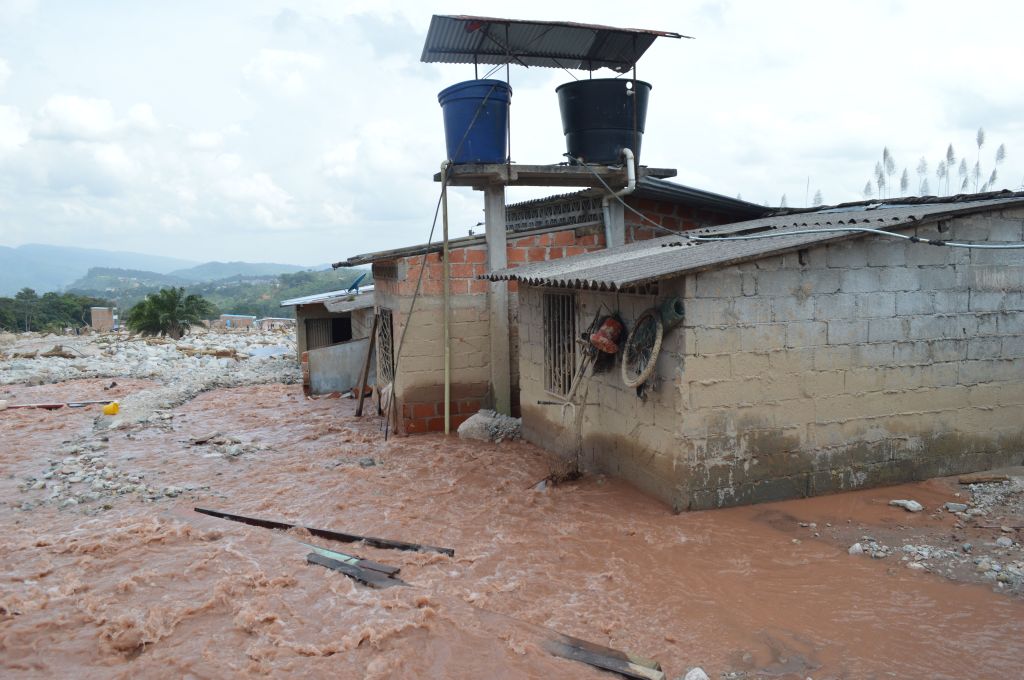
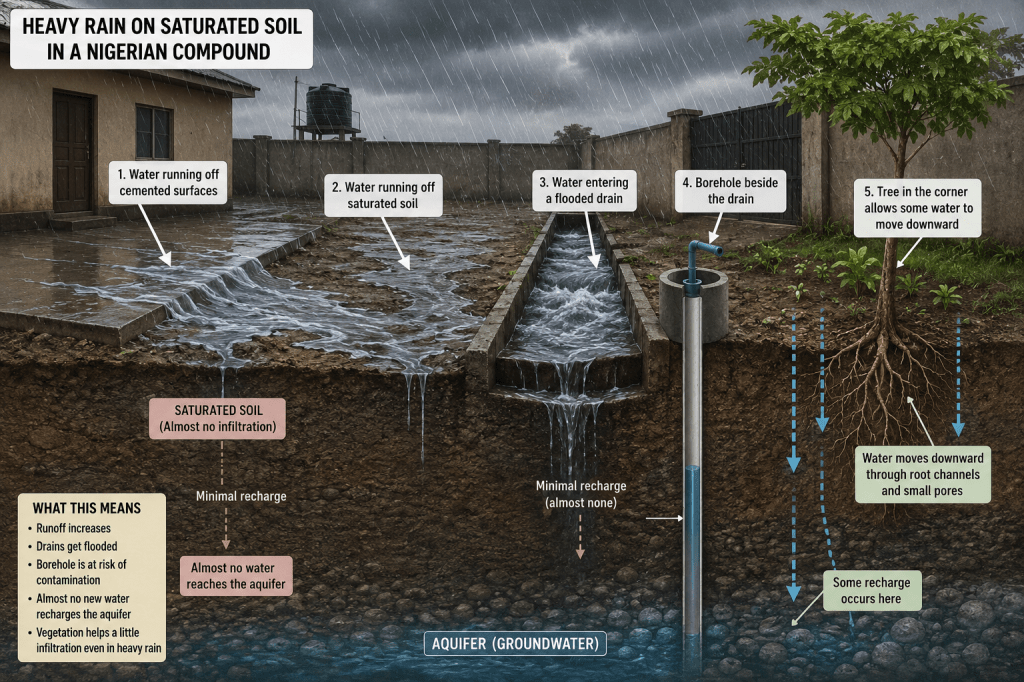
When soil cannot absorb rainfall, every drop that falls becomes surface runoff and that runoff moves fast, converges on drains and gutters, and overwhelms them in minutes rather than hours.
This is why the second rainy season, which returns in September after the August Break, often causes more severe flooding than the first, even when rainfall totals are similar. The soil that absorbed some of the April and May rains absorbs almost nothing by September. Saturated soils have significantly increased the risk of widespread flooding, as the IFRC warned in its Nigeria flood assessment last week.
This is also why the cemented compounds and paved surfaces make the flooding problem so much worse in August specifically. A neighbourhood where every compound is cemented starts August with zero soil absorption capacity and it stays at zero regardless of how long the break lasts.
What It Does to Groundwater
Here is the counterintuitive part: saturated soil does not mean more water is reaching your borehole.
The groundwater recharge process, where rainfall percolates slowly downward through soil to replenish underground aquifers, requires unsaturated soil with open channels for water to travel through. When soil is saturated, water moves across the surface rather than down through it. The aquifer beneath your compound may receive very little additional recharge even during heavy August rainfall, because the water never makes it past the surface.
Tree roots create the channels that allow water to travel downward, even in difficult conditions. This makes communities with significant tree cover and open soil handle saturated conditions better than those without.
What It Does to the Soil Itself — Erosion
Intense rainfall can strip away topsoil rich in organic matter and nutrients, leading to reduced soil fertility, particularly in areas where heavy rainfall and flooding have disrupted well-drained agricultural plains.
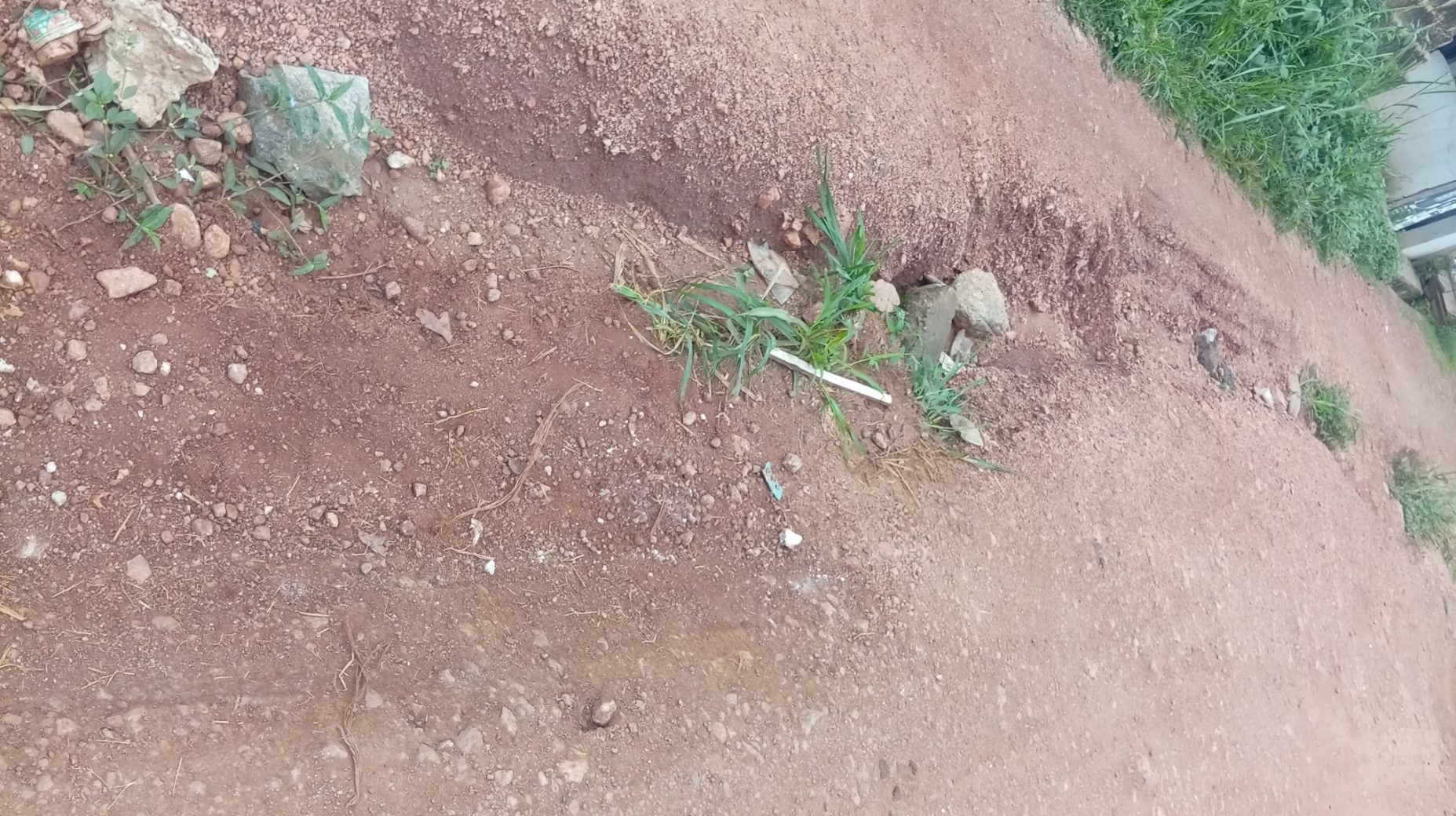
Gully erosion is one of the most dramatic and destructive forms of this process, where fast-moving surface water carves progressively deeper channels into saturated ground. Erosion does not just remove soil. It carries that soil into rivers, streams, and drainage channels, raising riverbeds, narrowing channels, and reducing their capacity to carry floodwater.
What It Means for Your Compound and Community
The soil story is not abstract. It shows up in specific, visible ways that anyone in a Nigerian community can observe right now.
- Soft, sinking ground in open areas
- Erosion channels forming in open compound soil
- Landslip or wall instability after prolonged rain
- Discoloured, clayey runoff entering drains
What Can Be Done
At the community level, the most effective responses to saturated soil and erosion are the ones that slow water down, giving it time to infiltrate rather than race across surfaces.
- Planting trees and ground cover vegetation wherever open soil exists is the most cost-effective erosion control measure available.
- Avoiding heavy earthmoving or construction during August and September reduces the risk of exposing fresh, unprotected soil to intense rainfall.
- Fixing or reporting gully erosion sites where possible. Common ways to fix gully erosion on household levels is by using bags of sand or crushed granite stones. Where applicable, reporting to the appropriate authorities early can get the erosion stopped and fixed.
The soil beneath you is doing essential work by absorbing where it can, and signalling stress where it cannot. In August, when it has been carrying rainfall for three months and is close to its limits, paying attention to what it is showing is not an academic exercise. It is practical environmental intelligence and it is available to anyone willing to look at the ground beneath their feet.
Jay Water Advisory is committed to promoting sustainable water and environmental practices for communities across Nigeria and beyond.


Leave a Reply