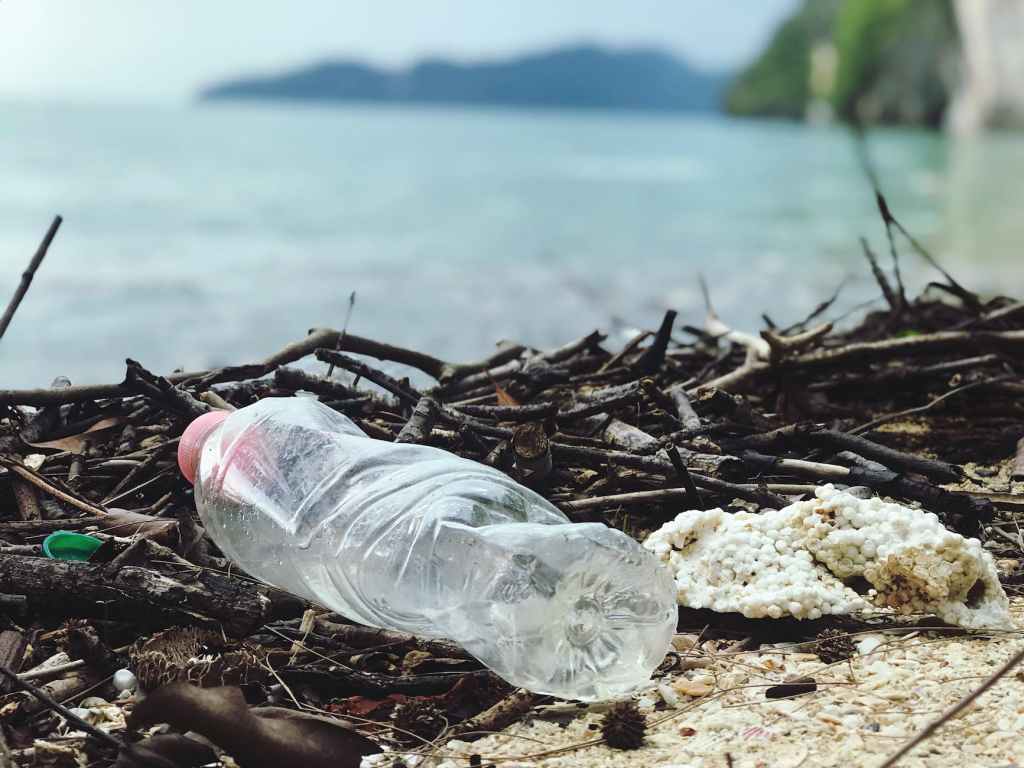
Plastics are a vast range of synthetic or semi-synthetic materials that are mostly composed of polymers. Plastics, due to their fluidity, may be formed into a variety of shapes and forms. This feature, along with others such as its lightweight, has contributed to the widespread usage of plastics.
Alexander Parkes exhibited the first plastics at the London International Exhibition in 1862. Plastics’ extensive use might be attributed to their fluidity, which allows them to be readily moulded, extruded, or pressed into solid things of various shapes. They are relatively less hazardous than other materials, have a lower production cost, and have no significant competitors.
Plastics are recognized to be non-biodegradable and so incapable of decomposition. Plastic may only be reused, recycled, or thrown away. Plastic pollution stems from unregulated plastic use. Plastics that are improperly disposed of are a nuisance to life on land and in water. Plastics, due to their properties, enter the seas and landfills and remain there for millions of years, occupying space and posing a hazard to aquatic life.
Plastics as a Land Pollutant
Land pollution from plastics occurs when plastic waste is improperly disposed of on the Earth’s surface. This includes littering, open dumping, and the overflow of poorly managed landfill sites.
According to the United Nations Environment Programme, approximately 400 million tonnes of plastic waste are produced every year, a significant proportion of which ends up on land rather than in designated waste facilities. On land, plastics create the following problems:
- They occupy space for extended periods, reducing the productive use of land for agriculture and other purposes.
- They entangle and suffocate animals that come into contact with them.
- They block drainage channels, contributing to flooding in urban and peri-urban areas, a problem particularly familiar in many Nigerian communities.
- As they fragment under heat and sunlight into microplastics, they become increasingly difficult to detect and remove.
Plastics as a Soil Pollutant
The relationship between plastics and soil is one that is often overlooked. When plastics are buried in landfills or left on the ground surface, they interact with the surrounding soil in several damaging ways.
Plastic fragments smaller than 5mm are now present in soils worldwide including agricultural land. Microplastics enter the soil through the breakdown of larger plastic items, the application of plastic-contaminated sewage sludge as fertiliser, and the use of plastic mulching films in farming.
The consequences for soil include:
- Alteration of soil structure. Microplastics change the physical composition of soil, affecting its ability to retain water and support plant growth.
- Disruption of soil organisms. Earthworms and other soil organisms that are essential for nutrient cycling are harmed by the presence of microplastics in the soil.
- Release of toxic chemicals. Plastics contain additives such as plasticisers, flame retardants, and colorants. As plastics break down in soil, these chemicals leach out and contaminate the surrounding environment.
- Reduction of soil fertility. The combined effect of altered soil structure, disrupted organisms, and chemical contamination reduces the ability of soil to support healthy plant and crop growth.
Plastics as a Pollutant of Large Water Bodies
Large water bodies — including rivers, lakes, and oceans — are among the most severely impacted environments when it comes to plastic pollution. It is estimated that between 8 and 10 million tonnes of plastic enter the world’s oceans every year, making plastic one of the most widespread marine pollutants.
Plastics reach large water bodies through several pathways:
- Direct disposal. Plastic waste is discarded directly into rivers, streams, and coastal waters.
- Runoff. Rainfall carries plastic litter from land surfaces into drainage systems and eventually into rivers and larger water bodies.
- Wind transport. Lightweight plastic items and fragments are carried by wind from land into water.
- Poorly managed landfills. Plastic from landfills situated near water bodies migrates into those water bodies over time.
Once in large water bodies, plastics present several serious consequences:
- Harm to aquatic life. Fish, sea birds, and marine mammals ingest plastic fragments, mistaking them for food. It is estimated that over 700 species of marine animals have been affected by plastic pollution. Ingested plastics block digestive systems, cause internal injuries, and result in death.
- Microplastic contamination of water. As plastics break down in water, they form microplastics that remain suspended in the water column. Microplastics have been detected in drinking water sources worldwide, including bottled water and tap water. The long-term health implications of consuming microplastic-contaminated water are still being studied.
- Disruption of aquatic ecosystems. Floating plastic debris blocks sunlight from reaching underwater vegetation. It also provides surfaces for invasive species to attach and spread to new environments.
- Contamination of the food chain. Plastics and the toxic chemicals they carry accumulate in the bodies of aquatic organisms. When humans consume fish and seafood from polluted water bodies, those contaminants enter the human food chain.
What Can Be Done
Addressing plastic pollution of land, soil, and water bodies requires action at multiple levels.
- Reduce plastic production and use. Single-use plastics — bags, straws, sachets, and bottles — account for a disproportionate share of plastic waste. Reducing their production and seeking alternatives is the most direct intervention available.
- Improve waste management infrastructure. Properly managed landfill sites, regular waste collection, and accessible recycling facilities reduce the volume of plastic that escapes into the environment.
- Avoid open dumping and burning. Polymers, which make up plastics, can be burnt to turn waste into another type of energy through a process called pyrolysis. However, open burning or dumping of plastics releases toxic substances into the soil, water, and air. Proper disposal, however inconvenient, is essential.
- Support and practice the 6Rs. Refuse, Reduce, Reuse, Repurpose, Recycle, and Recover. It is estimated that reusing 10% of plastics will save nearly half of all plastic garbage from entering the ocean. Plastic trash recycling normally entails sorting, cleaning, shredding, melting, and remolding. As plastic is recycled, its quality degrades. When plastic is melted, the polymer chains are partly broken down, reducing tensile strength and viscosity and making it more difficult to process. Plastic can only be recycled a few times using this approach before it becomes unstable and unfit for use. Plastic recycling is incredibly tricky, with just 9% of all plastic ever manufactured being recycled into new plastics, therefore, as much as possible avoid the use of plastics.
- Advocate for policy change. Nigeria’s regulatory bodies, including NESREA, have a role to play in enforcing existing plastic waste regulations and strengthening them where necessary. Public pressure and awareness drive policy change.
Conclusion
Plastics are non-biodegradable synthetic materials that, when improperly disposed of, become major pollutants of land, soil, and large water bodies. On land, plastics occupy space, harm wildlife, and block drainage. In soil, microplastics alter soil structure, disrupt organisms, and introduce toxic chemicals. In large water bodies, plastics harm aquatic life, contaminate drinking water sources, and disrupt ecosystems.
Addressing plastic pollution requires a combination of reduced plastic production, improved waste management, responsible individual behaviour, and effective policy enforcement. Every action taken, however small, contributes to reducing the burden of plastic on the natural environment.


 Jay water advisory
Leave a comment