Water | Environment | Nigeria
Water is at the centre of every community. When it fails, everything else does too.
Welcome to Jay Water Advisory — a research-backed blog covering groundwater, water treatment, flooding, waste management, and environmental engineering. Written from Nigeria, for communities that need these conversations the most.
Whether you are a student, a professional, a policymaker, or simply someone who wants to understand the water crisis better — you are in the right place.
Start with the latest articles below, or learn about this blog →
Read the latest articles | About this blog
Latest articles
- Your Food Grew Through This Season’s Floods: Here Is What That Means for What You Eat
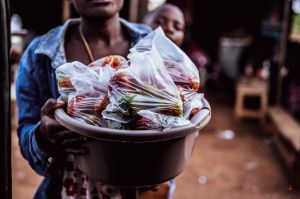 The vegetables at your market this week look fine. But many grew through floodwater carrying sewage, heavy metals, and pathogens. Here is what that means for what you eat and three specific steps that reduce your risk right now.
 - What Happens to Rivers During the Rainy Season and Why Communities Far From the Water Still Feel It
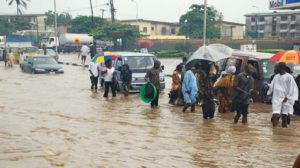 During the rainy season, rivers are doing some of their most consequential work—collecting contamination, spreading it downstream, and reaching communities that never expected to be affected. Here is what happens inside Nigeria’s river systems during rainy seasons, explained plainly, and what it means for your water and your community.
 - The Rainy Season Is Peak Disease Season: Here Is How to Stay Ahead of It
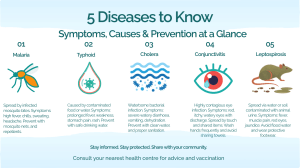 Hospitals fill up when there is a change in season but peaks at the height of raining season every August. Here are the five diseases spreading right now during peak rainy season, what causes each one, how to recognise it, and the specific steps that stop it.
 - When the Ground Can’t Take Any More Rain: What Happens Next and What You Can Do
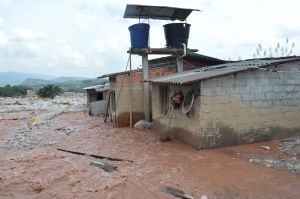 The soil beneath Nigerian communities is saturated after months of rainfall, and in August, it is approaching its limits. Here is what saturated soil means for your flooding risk, your borehole, your farmland, and the stability of the ground your home sits on with practical signs to watch for and actions to take.
About the Author
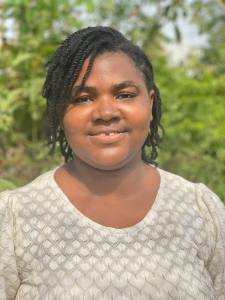
Hi, I’m Jesutofunmi — a water and environmental engineer based in Nigeria, with a Master’s degree in water and wastewater engineering specialising in water and wastewater treatment. My research has focused on treatment systems for rural communities affected by mining activities, where water quality challenges are among the most severe and often overlooked.
I started Jay Water Advisory to make water science accessible — clear, practical, and grounded in the Nigerian reality.


 Jay water advisory
Leave a comment