By Jay Water Advisory
Look around households in peri-urban and some urban areas and you might spot it — a black polythene bag with something green pushing up through the soil. A cut-open keg with tomato seedlings. A bucket of ugu leaves sitting quietly by the wall, minding its business, growing steadily.
Nobody announced it. Nobody coordinated it. But quietly, across towns and cities, Nigerians are farming in their own backyards — and the rains arriving early this year mean it is exactly the right time to join them.
Why This Is Happening Now
Food prices in Nigeria tell the story plainly. Nigeria’s food inflation hovered around 21 to 22% in mid-2025, with no signs of easing. Tomatoes, pepper, vegetables — the everyday staples — have become a genuine household budget conversation. When the market becomes unreliable, the compound becomes strategic.
There is real potential for major cities like Abuja and Lagos to produce a quarter of their vegetable needs through urban farming alone — which would bolster food security, cut prices, and reduce carbon emissions. That is not a distant policy dream. It starts with a bucket.
The Nigerian Container Garden Is Already Here
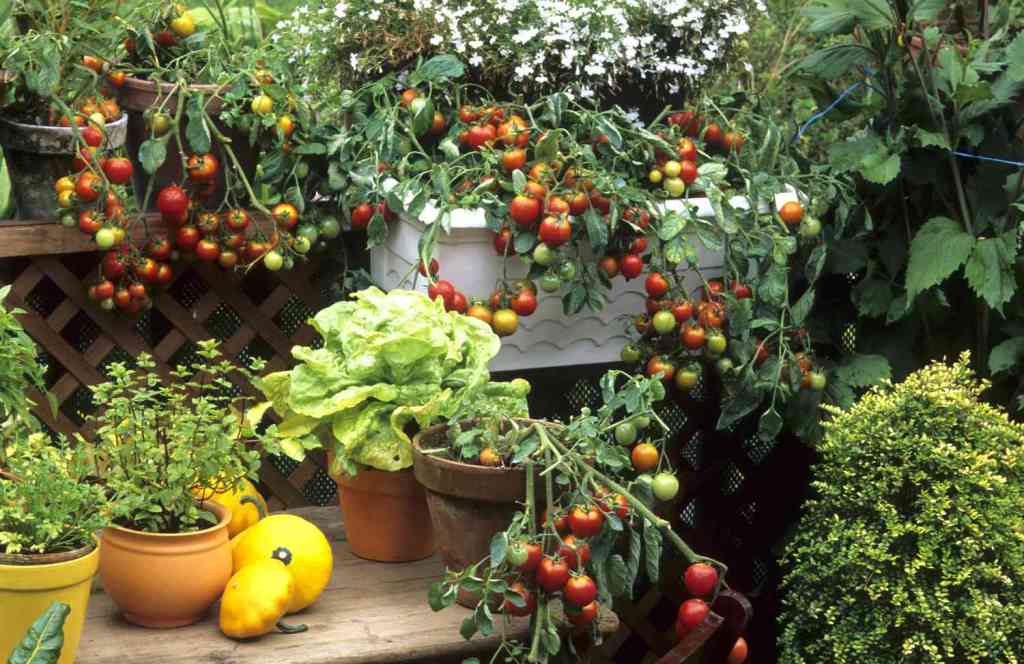
Forget the polished raised beds you see on European gardening shows. Nigerian urban farming looks different — and that is perfectly fine. Home gardening in towns and cities can take on creative approaches like using pots, used car tyres, old containers, and vertical setups to maximise small spaces.
Cut-open kegs and buckets filled with good soil work beautifully for fluted pumpkin (ugu), waterleaf, African spinach (soko), tomatoes, pepper, and scent leaf (efirin). These are not exotic crops — they are exactly what you buy at the market every week. The difference is you grew them yourself.
Here Is the Part Most People Miss
Growing plants does more than feed you. It cleans the air around you.
Airborne pollutants such as particulate matter, nitrogen oxides, sulfur dioxide, carbon monoxide, and ground-level ozone, deposit directly on plant leaves, removing them from the air. Every plant in your compound is quietly filtering the same air your generator, your neighbour’s generator, and Lagos traffic are polluting daily.
A single mature tree can produce enough oxygen to support two people annually, and cooler temperatures from vegetation slow the formation of ground-level ozone, which is one of the most harmful components of smog. Roadside vegetation that is tall and dense can reduce downwind pollutants by approximately 30%. That same principle applies at the compound level, where every leafy plant is doing quiet work on the air around it.
Your bucket of ugu is not just dinner. It is also, in a modest but real way, an air purifier.
The April Rains Make This the Perfect Moment
April marks the beginning of Nigeria’s main rainy season, and the rains started early this year. This is the ideal planting window. The soil is being watered naturally, seedlings establish easily, and vegetables like waterleaf, ugu, and African spinach thrive in this warm, wet season.
You do not need land. You do not need a large budget. You need a container, good soil, seeds or seedlings from the nearest market, and the rain that is already falling.
What to plant right now: Ugu (fluted pumpkin), waterleaf, African spinach, scent leaf, tomatoes, and pepper all establish well in April. They grow fast, they are used daily in Nigerian cooking, and they reduce what you spend at the market almost immediately.
What container to use: Any food-safe container with drainage holes at the bottom works — cut-open kegs, large buckets, old tyres, or even thick polythene bags. Make drainage holes if there are none. Waterlogged roots kill plants faster than anything else.
What soil to use: You can start with any soil available to you and mix it with compost or decayed organic matter for the best results. Avoid using construction sand — it has no nutrients and drains too fast.
Start With One Container
You do not need to transform your compound overnight. Start with one container of ugu or waterleaf this week. Watch it grow. Harvest from it in three to four weeks. Then add another.
Growing food within cities eliminates expensive, carbon-intensive logistics while offering residents organic produce which improves nutrition, creates income opportunities, and enhances overall quality of life. The rains are here. The seeds are available. The only thing missing is the decision to start.

 Jay water advisory
Leave a comment